University faculty meetings used to tolerate blunt disagreements. Now, ordinary idioms can trigger months of administrative punishment and threats of termination.
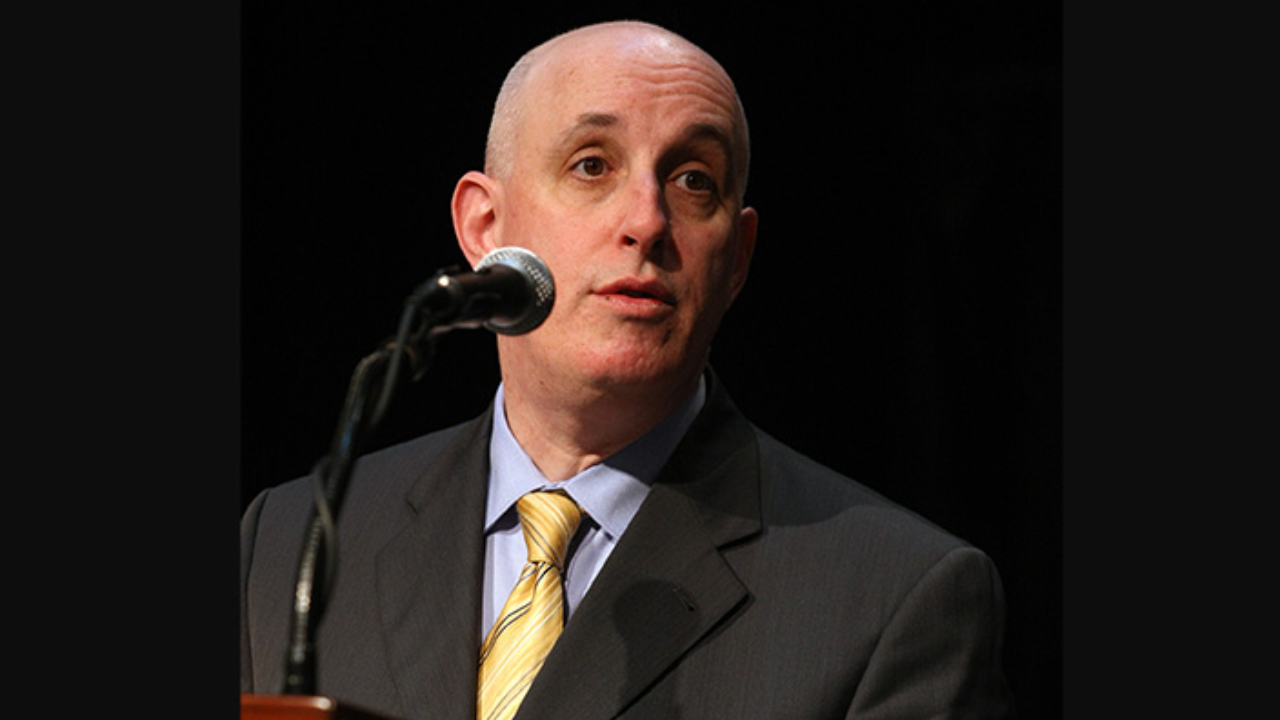
Take what happened at Hofstra University. Political science professor Richard Himelfarb found himself trapped in a prolonged disciplinary nightmare simply for calling a colleague's course proposal a "word salad" during an open debate. Instead of dismissing a minor verbal clash, the institution launched a full-scale discrimination probe.
This case exposes how modern campus bureaucracy weaponizes human resources against basic free expression. If you want to understand why higher education is losing public trust, look right here.
How a Routine Argument Turned Into an HR Inquest
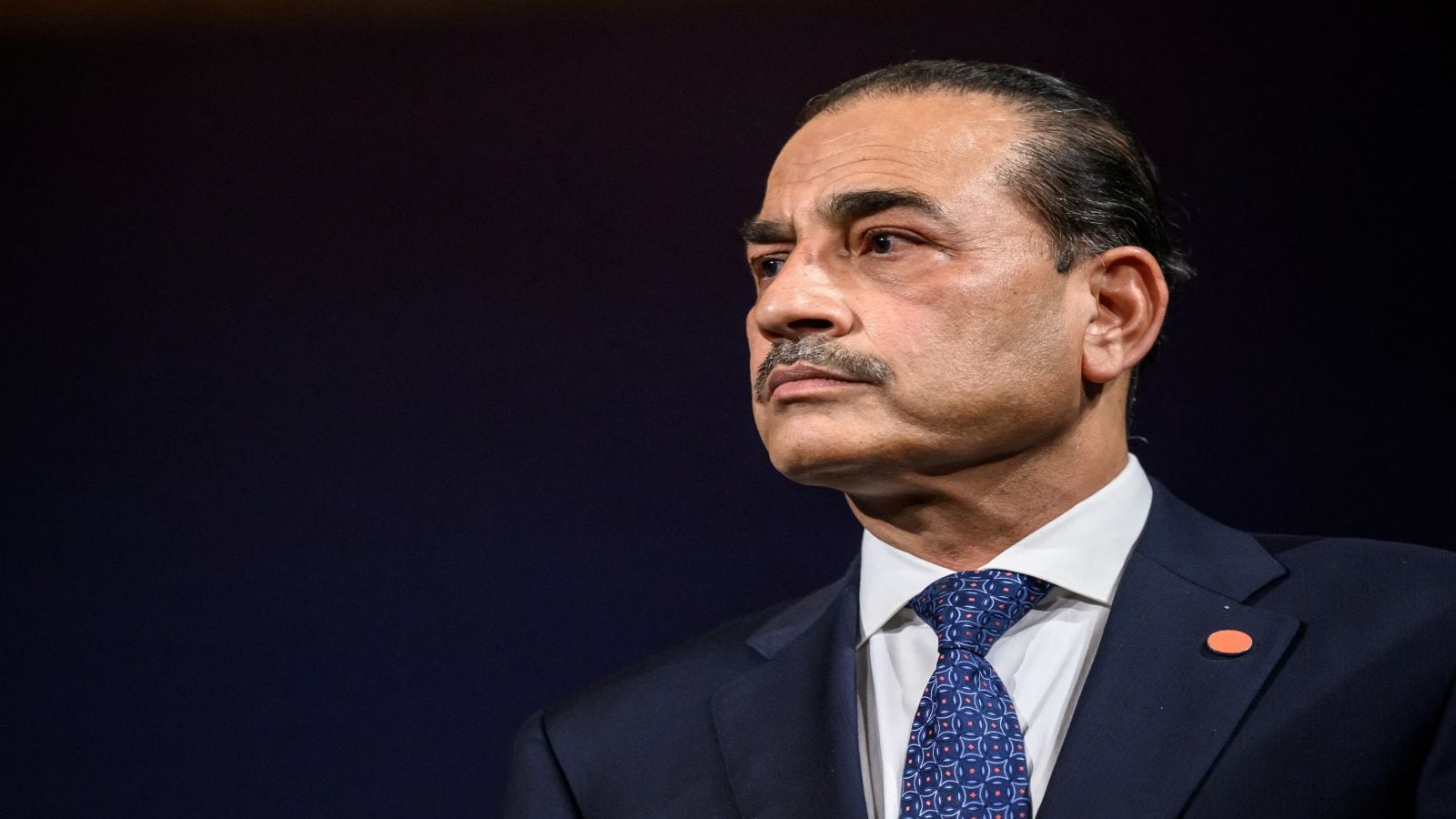
The dispute started on November 3, 2025. During a routine faculty gathering, Jewish Studies chair Santiago Slabodsky presented proposals for two new courses. Several professors raised objections about the curriculum.
According to Himelfarb, Slabodsky responded with a lengthy defense that failed to answer the specific concerns on the table. Frustrated by the circular explanation, Himelfarb spoke up. He stated, "That is complete word salad; I don't understand a thing Professor Slabodsky said."
That single comment launched an administrative avalanche. Slabodsky, who was born in Argentina, filed a formal harassment complaint the next day. He argued that calling his explanation "word salad" attacked his accent, native language, and Latino identity by impugning his language ability and clarity.
Most organizations would recognize this as normal workplace friction. Universities, however, operate under different rules. Hofstra's human resources department decided there was reasonable cause to investigate the remark as potential ethnic discrimination.
The Escalation Into Retaliation Charges
The investigation dragged on for nearly a year, bleeding into the summer. Himelfarb attempted to resolve the ordeal informally by offering a written apology, noting he never intended to target his colleague's heritage. Slabodsky rejected the apology. The matter then moved to the University Harassment Review Board, a panel with the power to recommend firing a tenured professor.
Faced with potential termination, Himelfarb reached out to the Foundation for Individual Rights and Expression (FIRE) and the Academic Freedom Alliance for legal defense. Publicizing the absurdity of a federal discrimination investigation over the phrase "word salad" brought unwanted external attention to the campus.
Rather than dropping a weak case, Hofstra doubled down. Slabodsky filed a second complaint against Himelfarb—this time alleging retaliation because the defense involved an external organization. Cooperating with free speech advocates to protect your job is now treated as a separate disciplinary offense on some American campuses.
Why This Case Sets a Dangerous Precedent
You do not have to love political science debates to see the danger here. Academia survives on rigorous, unvarnished critique. If professors cannot call a confusing explanation muddled without risking their livelihoods, intellectual debate dies.
When common phrases get reclassified as civil rights violations, everyone starts self-censoring. Faculty members across the country are watching this case closely. They know that a single clumsy phrase spoken in the heat of a committee meeting can destroy a career if the administration decides to entertain bad-faith grievances.
Hofstra officials maintain that the proceedings follow established institutional guidelines. Yet, legal watchdogs note that the accusations fall miles short of any genuine legal definition of harassment. Dragging an educator through months of hearings over a lunchroom idiom wastes institutional resources and poisons campus morale.
Colleges are supposed to model open inquiry and thick-skinned debate. Punishing professors for plain speaking teaches students that discomfort is a crisis and words are physical threats.
Stop pretending these investigations protect diversity. They protect fragile administrative processes at the direct expense of academic freedom.