The sea does not care about geopolitical theory.
If you stand on the docks of Subic Bay as dusk falls, the water looks like hammered pewter, vast and deceptively still. Container ships sit heavy on the horizon, carrying microchips, grain, and the mundane consumer goods that keep the modern world from grinding to a halt. It feels permanent. It feels safe.
But beneath that calm surface, the tectonic plates of global power are shifting with a violent, silent pressure.
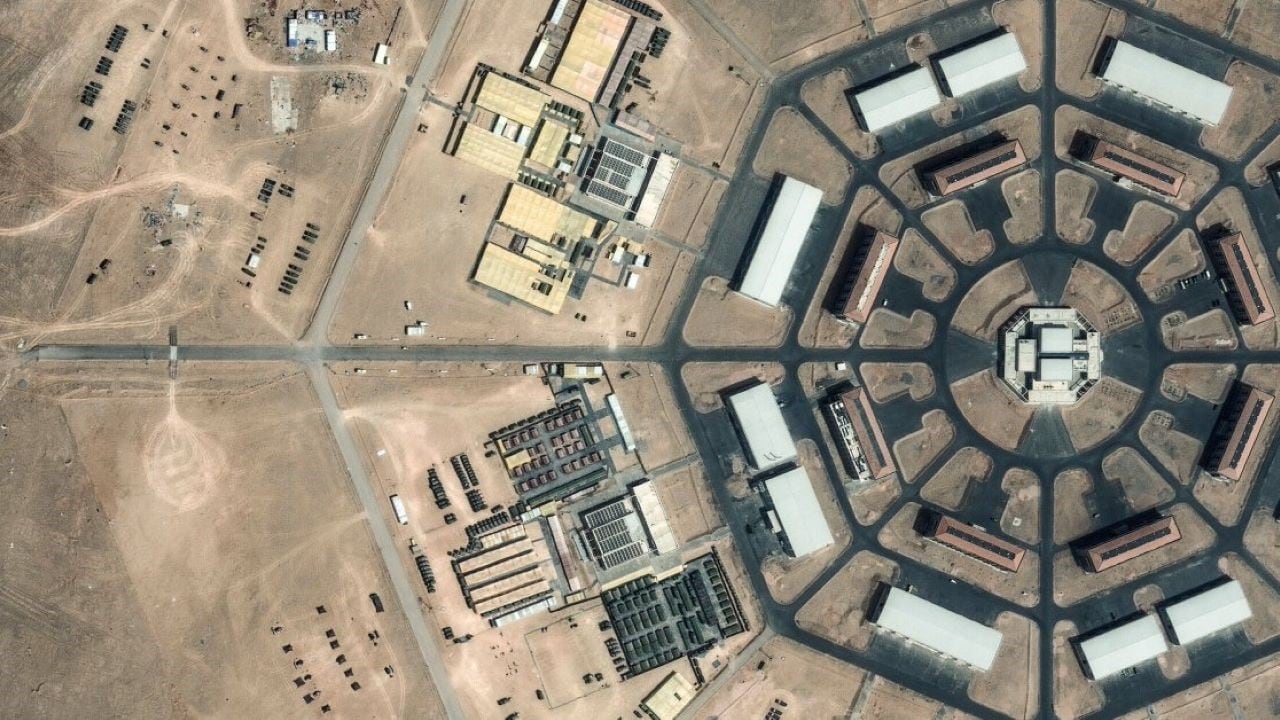
For decades, the American presence in the Indo-Pacific was defined by noise. It was the thunder of aircraft carrier groups, the gleaming steel of destroyers slicing through the South China Sea, and the roaring rhetoric of deterrence. We believed that if our footprints were large enough, the peace would hold. We were wrong. The old playbook of muscle-flexing has met its match in a competitor that doesn't want a loud war—at least, not yet. Instead, Beijing is playing a game of whispers, slowly rewriting the rules of the region while the West scans the horizon for a conventional storm.
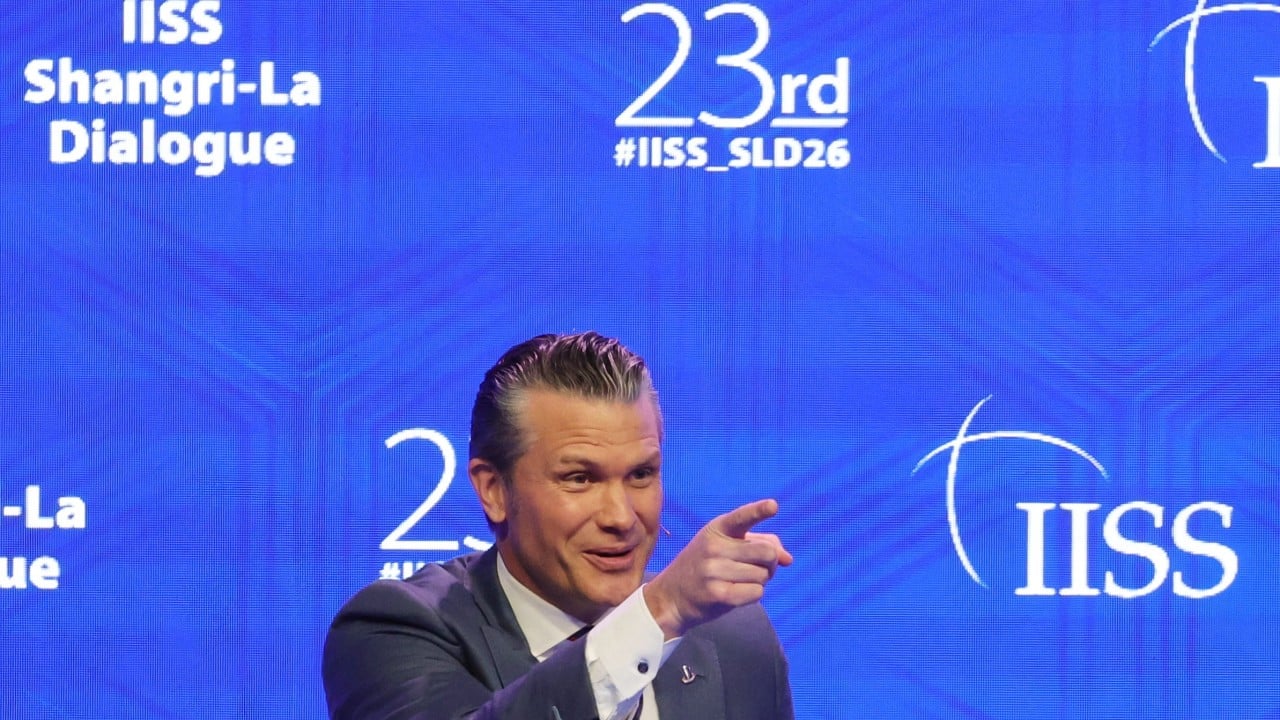
Recently, a bipartisan alarm sounded from the highest corridors of American power. A prominent US senator issued a stark warning about the compounding risks in the Indo-Pacific, pointing out that our current trajectory is dangerously unsustainable. At the exact same time, Defense Secretary Pete Hegseth has begun advocating for a radical pivot in strategy: "quiet" tactics.
This isn't just a shift in military doctrine. It is an admission that the loud era is over, and a quiet, desperate race for survival has begun.
The Illusion of the Big Stick
To understand why our current approach is failing, we have to look through the eyes of someone on the front lines. Consider a hypothetical drone operator stationed in Okinawa, whom we will call Marcus.
Marcus doesn’t look at maps with neat, colored borders. He looks at thermal feeds, radio frequencies, and satellite telemetry. Every day, he watches Chinese maritime militia vessels—disguised as ordinary fishing boats—swarm around disputed reefs. They don't fire missiles. They don't declare war. They simply drop anchor, block access, and build artificial islands block by concrete block.
If Marcus’s commanders send a billion-dollar destroyer to chase away a wooden fishing boat, Beijing wins the public relations war, painting America as an aggressive bully. If Marcus does nothing, the territory is lost. This is gray-zone warfare. It is designed to make conventional military might look clumsy, expensive, and utterly useless.
The senator’s warning stems from this exact asymmetry. We are spending trillions on a massive, highly visible military apparatus designed for a conflict that looks like World War II, while our adversary is winning a conflict that looks like a slow-motion game of chess. The risk isn’t just a sudden, catastrophic invasion of Taiwan—though that danger remains terrifyingly real. The risk is a death by a thousand cuts, where America wakes up one day to find the Indo-Pacific already spoken for, its shipping lanes controlled, and its allies isolated.
The Soft Power of Quiet Tactics
When Hegseth talks about quiet tactics, he isn't suggesting retreat. He is suggesting camouflage.
The concept relies on moving away from massive, easily targeted bases toward a distributed network of smaller, agile forces. Think less about a giant, floating fortress and more about a swarm of invisible, interconnected nodes. It means embedding small teams of special operators with local forces in the Philippines, Japan, and Australia. It means focusing on cyber warfare, underwater surveillance, and rapid-deployment logistics rather than theatrical displays of force.
There is a profound psychological shift required here. For a superpower used to dominating the narrative, operating in the shadows is deeply uncomfortable. It requires humility. It means letting local allies take the lead and claim the victories, while American capabilities remain the unseen spine supporting them.
Consider the contrast in how influence is bought and sold in the region today. For years, the West offered lectures on democracy and conditional loans. Meanwhile, Beijing arrived with concrete mixers and bags of cash, building roads, ports, and digital infrastructure through its Belt and Road Initiative. The local populations didn't necessarily fall in love with authoritarianism; they simply needed running water and functional harbors.
Our loud promises of security mean very little to a coastal community whose fishing grounds are being systematically choked out by foreign maritime militias. Hegseth’s quiet tactics aim to counter this by providing immediate, tangible, and unflashy assistance: maritime domain awareness, secure communications, and small-scale defense systems that allow these nations to protect their own waters without triggering a global crisis.
The Broken Supply Chain of Trust
But there is an even deeper, more fragile element to this entire equation, one that policymakers rarely discuss openly because it exposes our greatest vulnerability.
Trust.
If you speak to diplomats in Manila or Taipei in quiet rooms away from rolling cameras, they will eventually confess their deepest fear. It isn't just Chinese aggression; it is American distraction. They look at the political volatility in Washington, the shifting tides of public opinion, and they wonder if a nation divided against itself will truly honor its commitments when the stakes turn deadly.
The senator's warning was as much a message to the American public as it was to our adversaries. We have forgotten how interconnected our world actually is. If the Indo-Pacific falls into a sphere of total authoritarian control, the economic shockwaves will hit every single household in the West within forty-eight hours. The phone in your pocket, the medicine in your cabinet, the car in your driveway—nearly all of it relies on the fragile peace of those specific shipping lanes.
The transition to quiet tactics is an attempt to build a more resilient form of trust. By embedding deeply, quietly, and permanently within the security architectures of our allies, we create a bond that cannot be severed by a single election or a change in political wind. It signals a shift from patronizing oversight to genuine, shared sacrifice.
The Silence After the Storm
The transition will not be easy. Bureaucracies love big budgets and highly visible projects. Defense contractors want to build massive hulls and sophisticated jets, not cheap, disposable drones and encrypted software networks. Shifting the momentum of the American defense apparatus toward quiet tactics is like trying to turn an aircraft carrier in a swimming pool.
But the alternative is a terrifyingly loud failure.
If we persist in relying solely on the old methods of overt deterrence, we risk stumbling into the very conflict we are trying to prevent. A single miscalculation, a collision between a destroyer and a state-sponsored fishing trawler, could ignite a conflagration that neither side truly wants but neither side can afford to back down from.
The true measure of success for this new strategy will be the absence of news. It will be the Chinese gray-zone vessels deciding that a particular reef is too well-defended by local forces to bother harassing. It will be the quiet maintenance of the status quo, day after day, month after month.
As the sun fully sets over Subic Bay, the water turns from pewter to pitch black. The lights of the distant cargo ships begin to blink on, one by one, creating a fragile constellation of human commerce against the dark void. Those lights keep blinking because of an invisible shield—a network of men and women working in the dark, speaking in whispers, ensuring that the world's most critical arena remains free, open, and quietly at peace.