Everyone thought the UK cost-of-living crisis was finally cooling off, right? Wrong. When official figures confirmed that UK inflation jumped to a 12-month high of 3.6%, driven largely by soaring fuel and tobacco costs, it didn't just surprise economists in Threadneedle Street—it blew a massive hole in household budgets across Britain.
Let's be brutally honest here. A 3.6% headline number sounds almost polite compared to the double-digit nightmares of 2022 and 2023. You might read that figure over morning coffee and think, okay, things are ticking up slightly, no big deal.
That's a trap.
When inflation rises because of specific, unavoidable staples like petrol, diesel, and heavily taxed goods like tobacco, the real-world pain hits unevenly and immediately. You can't easily substitute your morning commute, and fiscal drag alongside excise duty hikes leaves zero wiggle room. The Office for National Statistics (ONS) data shows we aren't dealing with a temporary blip; we're looking at sticky price pressures that directly threaten Bank of England interest rate cuts.
What Actually Drove UK Inflation Back to 3.6%?
Most financial commentary glosses over the mechanics of the Consumer Prices Index (CPI). They throw out a percentage and move on. To protect your money, you need to understand what's actually pushing that basket of goods upward.
Two heavyweights did the damage this time around—motor fuels and tobacco products.
The Forecourt Squeeze Nobody Escapes
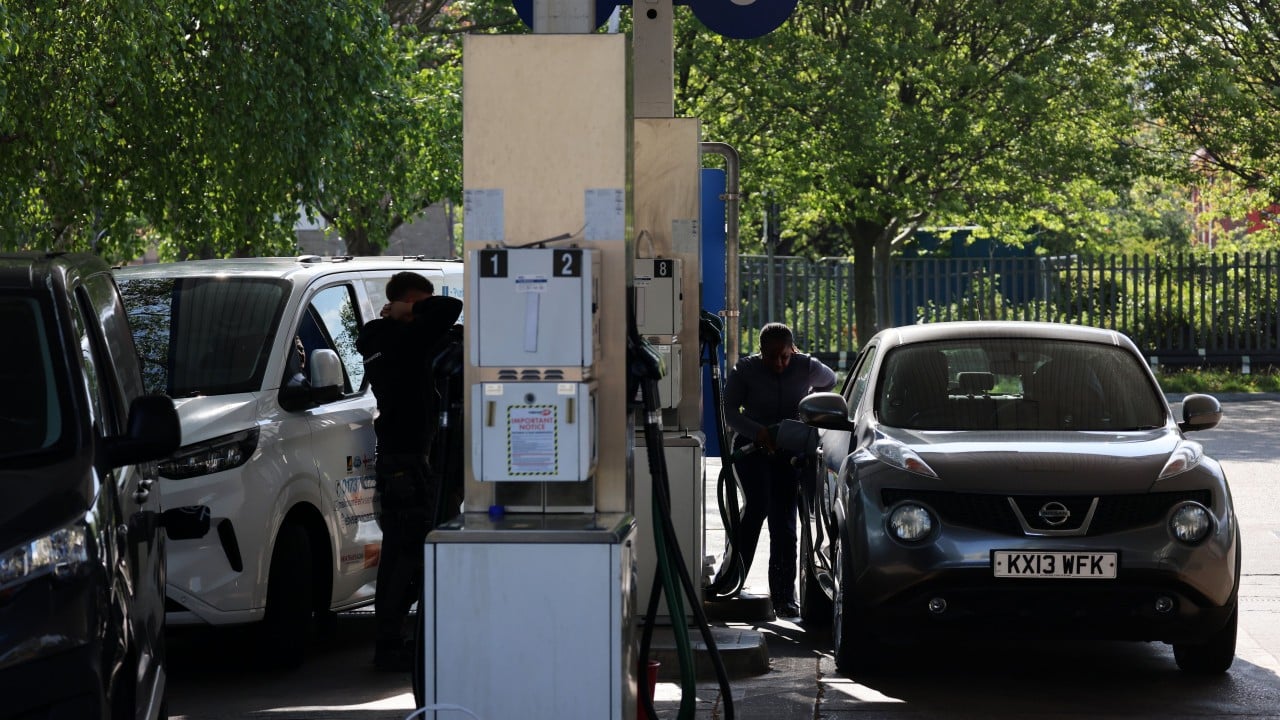
Pump prices don't just affect drivers. Yes, watching the digits spin faster while filling up a family hatchback hurts immediately, especially when global crude oil volatility and weak sterling exchange rates collide. When petrol and diesel prices climb month-on-month rather than falling as they did during comparable periods a year earlier, the annual comparison shoots upward automatically. Economists call this "base effects," though that's cold comfort when you're paying ten pounds more per tank.
Worse still, diesel powers the UK supply chain. Every supermarket delivery lorry, every parcel van, and every regional freight truck runs on it. When fuel costs spike, haulage companies don't absorb the loss out of kindness. They pass those surcharges onto retailers, who quietly tack a few pennies onto your weekly grocery shop three months later.
Tobacco Duties and Policy-Driven Price Hikes
Tobacco plays a completely different role in the CPI basket, yet its impact is relentless. Unlike food or clothing, where supermarkets fight brutal price wars to win customers, tobacco pricing in Britain is heavily dictated by Westminster policy.
Annual duty escalators—typically pegged to Retail Prices Index (RPI) inflation plus an extra percentage point—guarantee sharp price jumps whenever Treasury changes take effect. Because cigarettes and hand-rolling tobacco carry massive tax wedges, a single duty adjustment sends ripples straight through the headline CPI reading. Even if you don't smoke, those policy-driven increases distort the national inflation baseline that lenders and policymakers watch like hawks.
Why The Bank of England Is Now Trapped in a Corner
If you're waiting for mortgage rates to tumble back down to bargain territory, this 3.6% inflation reading is terrible news. I've watched Monetary Policy Committee (MPC) cycles for years, and central bankers hate upside surprises more than anything else.
The Bank of England operates under a strict 2% inflation target. At 3.6%, inflation isn't just slightly above target—it's running 80% hotter than the Bank's mandate allows.
Here's the real dilemma facing Andrew Bailey and the MPC:
- Cutting rates too fast risks reigniting price spirals. Lower borrowing costs weaken the pound, making imported oil, gas, and food even more expensive in sterling terms.
- Holding rates higher for longer crushes domestic growth. Small businesses struggle to refinance debt, and millions of homeowners rolling off fixed-rate mortgages face brutal payment shocks.
- Services inflation remains stubborn. Even when goods prices wobble, wage growth and hospitality costs keep underlying core inflation glued well above 2%.
Honestly, the market's earlier optimism about rapid, back-to-back rate cuts looks completely detached from reality now. Lenders price swap rates based on expectations, and those expectations just shifted upward. If you're shopping for a new fixed-rate deal or remortgaging soon, waiting around hoping for dramatic drops could backfire badly.
The Personal Inflation Trap Why Your Rate Isn't 3.6%
One of the biggest mistakes people make when reading ONS reports is assuming 3.6% applies to them. It doesn't. The CPI represents an average basket across millions of diverse households, blending urban renters who take the Tube with rural retirees who own their homes outright.
Your personal inflation rate depends entirely on where your cash goes each month.
Think about a typical commuter living outside London or Manchester. You drive forty miles a day to work, heat a semi-detached house, and buy groceries for two kids. Because transport and energy take up a much larger slice of your disposable income than the national average, your real inflation rate isn't 3.6%. It's probably closer to 5% or 6%.
Meanwhile, someone living in a city center who walks to work and doesn't buy tobacco or alcohol might experience an effective inflation rate under 2.5%. Same country, same month, totally different financial reality. Relying on the headline figure to plan your household budget is like dressing for the average annual temperature instead of looking out the window at the rain.
Common Myths About Rising UK Inflation You Need to Ignore
Whenever inflation spikes back into the headlines, bad financial advice floods social media within hours. Let's clear out the nonsense before it costs you money.
Myth 1: "Prices will drop once inflation falls back to 2%."
No, they won't. Falling inflation simply means prices are rising more slowly, not going backward. Unless the UK enters outright deflation—which the Bank of England will fight tooth and nail to prevent—today's elevated prices for fuel, food, and services are the permanent new floor.
Myth 2: "Keeping cash in a standard high-street savings account is safe."
Safe from market crashes? Sure. Safe from losing purchasing power? Not a chance. If your cash sits in a legacy current account or an easy-access saver paying 1.5% while inflation sits at 3.6%, you're guaranteeing yourself a real-terms loss of over 2% every single year.
Myth 3: "Fuel prices only reflect global oil markets."
Wholesale Brent crude matters, obviously, but UK pump prices are heavily cushioned—and distorted—by fixed Fuel Duty rates, 20% VAT charged on top of the duty, and retail margin shifts. Sometimes global oil drops while UK forecourt prices stay stubbornly high because retailers rebuild margins.
Practical Moves to Protect Your Finances Right Now
You can't control OPEC production quotas, Treasury excise duties, or Bank of England voting splits. You can stop leaking cash through inertia. Start with these four concrete adjustments today.
1. Audit Your Cash and Kill Lazy Savings Rates
Log into every bank account you own this afternoon. Any money sitting in an account paying less than 4% AER is actively shrinking in value against a 3.6% inflation backdrop. Move your emergency fund into a top-paying easy-access Cash ISA or high-yield savings account immediately. Use comparison trackers from MoneySavingExpert or the Bank of England's rate tables rather than trusting your existing bank's loyalty—banks rely on customer laziness to fund their profit margins.
2. Stop Treating Forecourt Pricing as Unavoidable
Drivers routinely overpay by 5p to 10p per liter simply out of habit by pulling into the closest branded motorway or main-road station. Download a live fuel price comparison app like PetrolPrices before your next fill-up. Supermarket forecourts and independent stations just two miles off major A-roads consistently undercut big oil brands. Over a year of average driving, switching where you fill up saves hundreds of pounds without driving a single mile less.
3. Lock In Mortgage Rates Early If You're Within Six Months
If your fixed-rate mortgage expires within the next six months, speak to an independent whole-of-market broker right away. Most UK lenders let you reserve a new rate up to six months in advance. If interest rates rise further because 3.6% inflation spooks the bond markets, you're protected by your reserved deal. If rates unexpectedly fall before your completion date, a good broker can simply switch you onto the cheaper product before your old term ends.
4. Re-Evaluate Subscriptions and Auto-Renewals Linked to CPI
Check every mobile phone, broadband, and insurance contract in your inbox. Many UK telecom providers bake annual mid-contract price hikes directly into their terms—often linking increases to CPI plus an additional 3.9%. When inflation jumps to 3.6%, that formula triggers a painful 7.5% bill increase overnight. Put calendar reminders thirty days before every contract expiration date, call retention departments directly, and refuse to accept automated inflation-linked increases without negotiating a discount or switching providers.