Emergency phone alerts started buzzing on phones across Dubai and Abu Dhabi, pulling residents straight out of their daily routines. The UAE defense ministry announced that air defense systems had detected two ballistic missiles launched from Iran targeting maritime traffic in the Gulf. One missile splashed into the sea within Emirati territorial waters, while the other landed just outside.
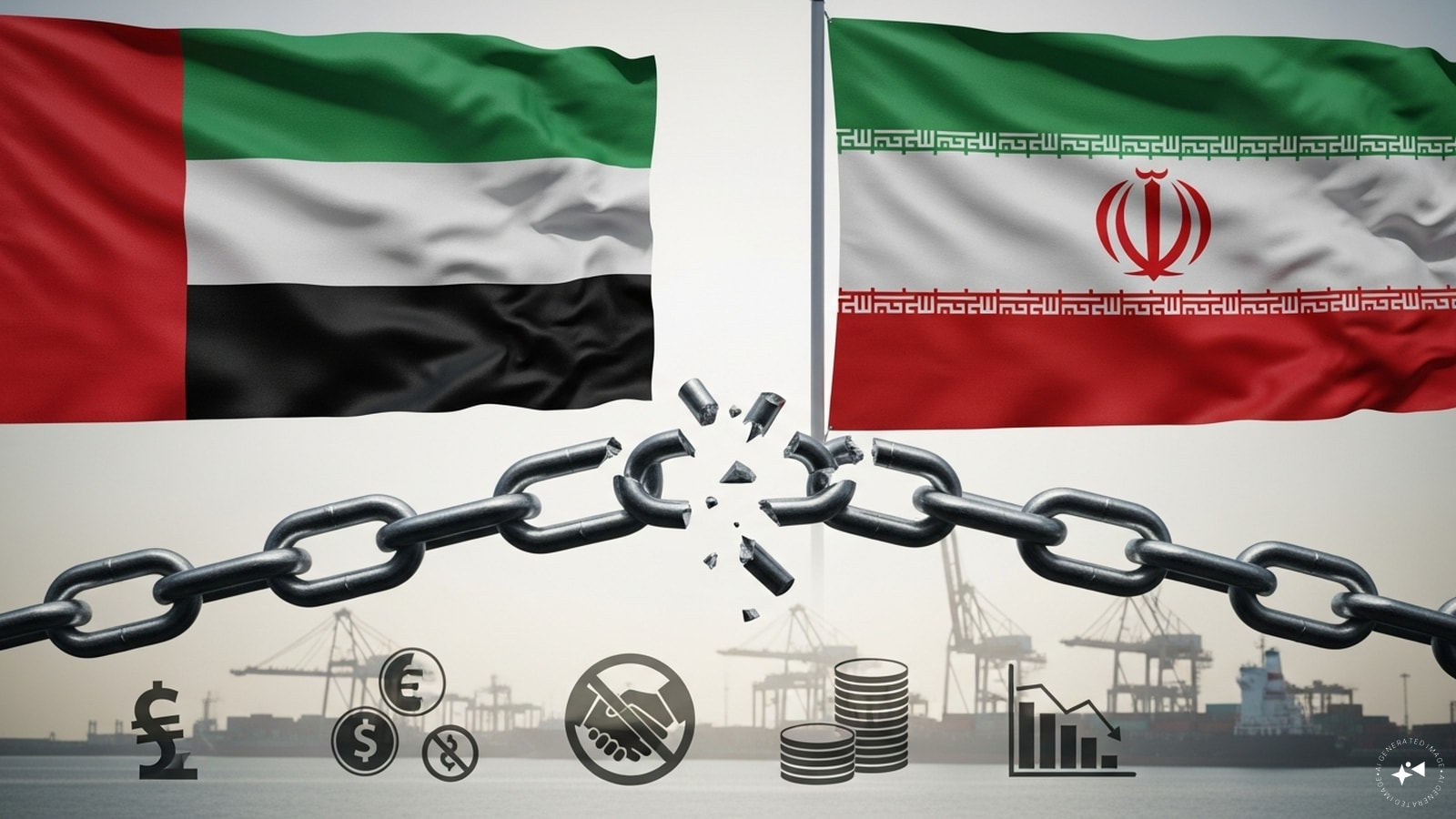
Abu Dhabi didn't wait for diplomatic pleasantries. Within hours of the missile scare, the UAE foreign ministry announced a sweeping decision to suspend all trade, commercial exchanges, and financial transactions with Iran until further notice. Tehran hit back immediately, calling the accusations entirely baseless.
The Economic Snapping Point
For months, businesses operating across the Gulf tried to maintain a delicate balance. Even as wider geopolitical conflicts flared, commercial shipping lanes and financial wires between Iranian ports and the Emirates stayed active. Traders moved goods, bankers settled payments, and flights quietly resumed.
That fragile bridge is now burned. When the UAE foreign ministry states that all financial transactions and commercial exchanges are frozen, it means corporate bank accounts, trade financing, and cross-border logistics are dead in the water.
You cannot run supply chains on hope. Companies dealing directly with Iranian markets face an immediate reality check. If you have inventory sitting in transit or payments stuck in clearing houses, you're looking at severe financial exposure.
Untangling the Missile Claims
The core dispute centers on what happened off the coast. The UAE defense ministry insists the ballistic trajectories pointed straight at commercial maritime traffic. This follows a string of troubling incidents involving state-owned Abu Dhabi National Oil Company vessels targeted while transiting the vital Strait of Hormuz.
Iran’s foreign ministry spokesperson Esmaeil Baghaei rejected the narrative completely. Tehran maintains that such accusations damage regional trust and run contrary to good neighborly relations.
Yet, public denials do little to comfort logistics executives. The Strait of Hormuz remains heavily restricted and deeply vulnerable. When oil tankers take hits and air defense batteries track inbound projectiles, commercial reality shifts overnight.
What Happens to Regional Supply Chains Now
The phrase "until further notice" is corporate shorthand for chaos. Emirati authorities haven't published a granular list of exemptions or carved out transition periods.
If your enterprise relies on regional transshipment hubs that touch Iranian commerce, you need to audit your exposure today. Move your capital away from exposed banking channels. Talk to legal counsel about force majeure clauses. Do not wait for official clarification to secure your assets because compliance enforcement in the Gulf moves fast during active security crises.
This break marks a sharp end to the brief thaw in commercial relations we saw earlier this year. The geopolitical temperature in the Middle East just spiked, and business as usual is gone.