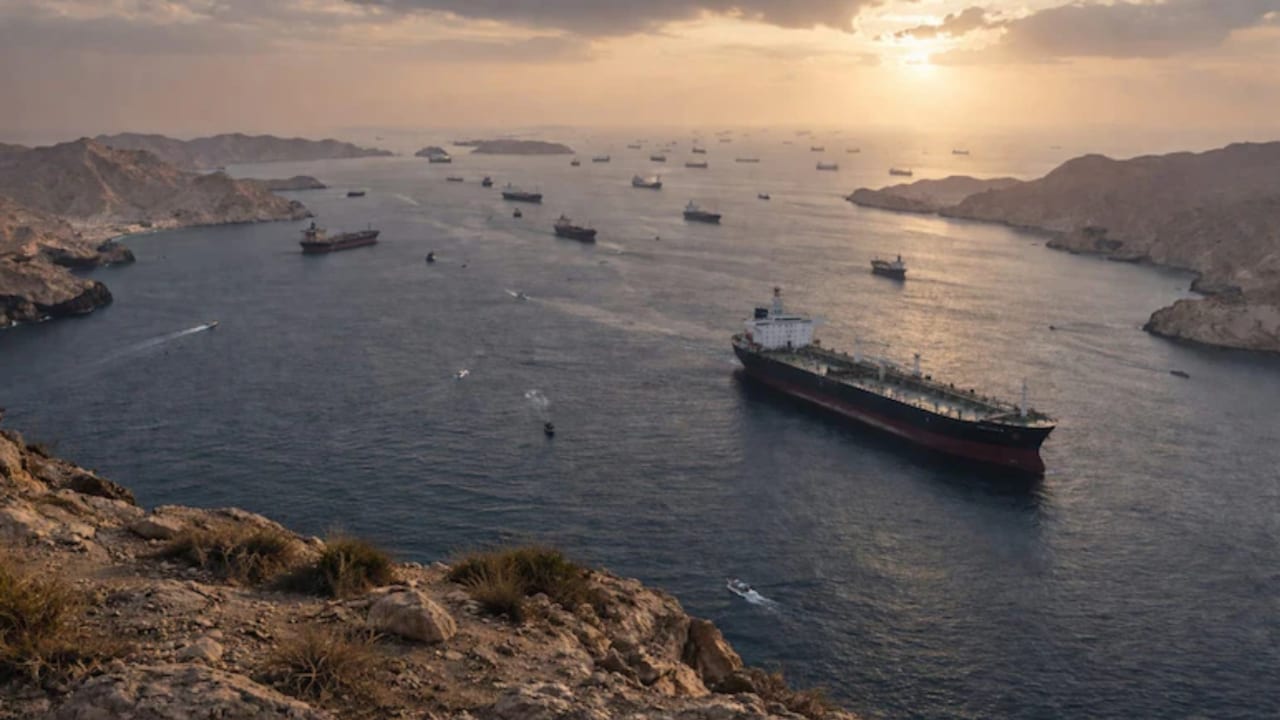
The sea does not care about supply chains. It does not look at a manifest of grain or an inventory of refined steel and see civilization; it sees only weight, depth, and the relentless pull of the moon. But to stand on the bridge of a modern container ship or a loaded tanker as it threads the narrow needle between the northern Gulf and the Gulf of Oman is to feel the thin, anxious pulse of a planet held together by floating metal.
Salt crusts on the windshield. The air tastes of sulfur and old diesel.
Then, deep in the ship’s iron belly, a switch clicks or a line ruptures. A hiss. A sudden, sharp scent of superheated oil that precedes the light by a fraction of a second. Orange tongues lick across the auxiliary machinery, chewing through insulation, devouring cables, and instantly turning an engineered sanctuary into a suffocating box of smoke.
Multiple merchant vessels disabled by fire in these crucial waters do not just make headlines about logistics and insurance rates. They make a sound—the distant, frantic crackle of emergency Klaxons over the VHF radio, followed too often by the heavy, echoing silence of engines dying miles away from any shore that wants them.
Consider what happens next on the water.
For the crew trapped inside that hull, the world shrinks to the width of a smoke-filled corridor. Oxygen grows thin and heavy. Every breath tastes like battery acid. When fire breaks out on the open sea, there is no fire department rushing down the street with sirens wailing. There is only the crew, half-blinded by soot and breathing through heavy respirators, turning valves and hauling foam extinguishers toward a monster born of fuel and compressed air.
To understand the panic, you have to understand the isolation.
Picture a hypothetical chief engineer named Marcus, standing in a control room where the main propulsion monitors have just blinked out, replaced by a wall of amber fault lights. He has twenty years on the water. He has weathered typhoons that tore lifeboats from their davits and navigated fogs so thick the bow vanished from sight. But fire is different. Fire eats the very air he needs to think. When the automated suppression systems fail to choke out the blaze in the machinery space, Marcus has to make a choice that no manual can quite prepare him for: seal the compartment, starve the fire of oxygen, and hope no one was left behind in the lower deck.
That choice is happening with alarming frequency across the narrow shipping lanes of the Middle East.
Recent incidents involving multiple merchant vessels caught in sudden, disabling fires have transformed routine transits into high-stakes gambles. These aren't isolated tales of bad luck. They point to a grinding pressure cooker where aging hulls, stretched supply chains, deferred maintenance, and the unrelenting pace of modern maritime commerce collide. Ships are running harder and longer with leaner crews, squeezing every drop of efficiency out of steel that remembers storms from decades ago.
The statistics tell a cold story, but the reality is hotter and sharper.
When a tanker carrying hundreds of thousands of tons of volatile cargo loses propulsion due to an engine room fire in confined waters, the margin for error vanishes. The ship becomes a drifting island of kinetic energy, caught in crosscurrents and drifting perilously close to busy shipping lanes or shallow shoals. Tugs must be scrambled. Salvage crews mobilize in distant ports, racing against time, weather, and the creeping dread of an environmental catastrophe.
We forget how fragile our modern abundance really is. We look at the shelves in our stores, the fuel in our cars, the raw materials powering our cities, and we treat them as permanent features of the earth, like mountains or rivers. We rarely picture the salt-stained hands of a Filipino or Greek sailor fighting a bulkhead that is glowing cherry-red five hundred miles from the nearest hospital.
The fires in the northern Gulf and the Gulf of Oman are warning flares.
They illuminate the hidden human cost of an invisible trade. Every time a vessel goes dark, choking on its own smoke beneath a blazing desert sun, a chain reaction ripples outward. Insurance premiums spike. Routes lengthen. Sailors question whether the next contract is worth the risk of waking up to the smell of burning rubber at four in the morning.
The smoke clears eventually, swept away by the merciless desert winds that howl across the Strait of Hormuz. The hulls are towed into quiet bays, inspected by grim-faced surveyors in hardhats, and patched back together with fresh welds. But the questions raised by those sudden columns of black smoke on the horizon do not drift away so easily. They linger in the salt air, reminding anyone willing to listen that the global economy is not a machine made of code and capital.
It is a living thing, built by human hands, sailing on a very dark and unpredictable sea.