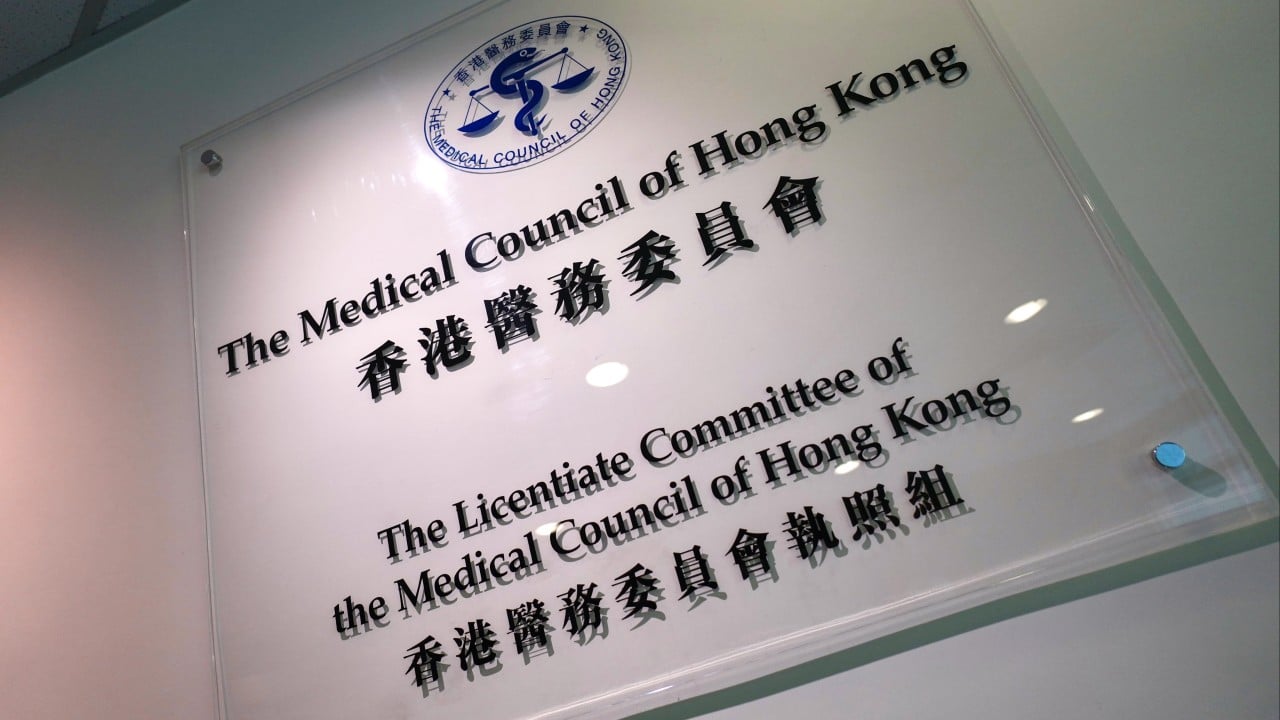
Institutional inertia within medical regulatory frameworks rarely stems from a single point of failure. Instead, it is the cumulative product of misaligned incentives, structural bottlenecks, and procedural friction points that compound over years. The ongoing friction surrounding the governance mechanisms of the Medical Council of Hong Kong exposes a deeper systemic vulnerability. When a regulatory body resists externally imposed time frames for resolving professional misconduct complaints, the resistance reveals an inherent conflict between administrative expediency and quasi-judicial due process. Deconstructing this deadlock requires evaluating the underlying operational costs, the structural architecture of the investigative pipeline, and the economic toll of administrative backlogs.
The friction originates from the inherent tension between two opposing administrative goals: maintaining absolute procedural justice for accused practitioners and delivering timely accountability to patients and the public. In a quasi-judicial environment, every procedural safeguard introduced to protect a practitioner's license simultaneously increases the duration of the feedback loop.
To model this dynamic, consider the operational lifecycle of a medical complaint. The timeline is dictated by three primary friction points:
The Intake and Triage Bottleneck: Incoming grievances must be vetted by preliminary bodies to establish a prima facie case. When complaint volumes surge—often exacerbated by socioeconomic stressors or heightened public awareness—the intake mechanism absorbs the initial shock. Without dynamic resource allocation, triage queues expand linearly while administrative capacity remains fixed.
The Expert Witness Depletion Trap: Medical disciplinary inquiries cannot proceed without specialist testimony. Because the pool of qualified specialists willing to testify against peers is naturally constrained by professional solidarity, scheduling conflicts and recusals create chronic scheduling delays. This variable alone accounts for a significant portion of multi-year backlogs.
The Judicialization Creep: As hearings adopt increasingly formal legal trappings, including cross-examinations and extensive legal representation, the proceedings mirror civil litigation. This procedural inflation transforms what should be a swift professional peer review into an adversarial trial, expanding preparation and deliberation windows exponentially.
When external stakeholders attempt to force compliance onto this system via rigid statutory time frames without altering the underlying operational architecture, the system responds defensively. Institutional pushback against fixed deadlines is rarely an arbitrary rejection of accountability; rather, it reflects an acute awareness that fixed clocks collide directly with the variable nature of complex medical evidence.
The economic and social cost function of these delays can be understood through two distinct lenses: risk exposure for patients and reputational hazard for practitioners.
For the public, a prolonged investigation creates an active hazard. If a practitioner against whom credible allegations of severe malpractice have been leveled continues to practice unchecked for a decade—as documented in extreme backlog cases—the regulatory body fails in its primary mandate of public protection. The delay effectively grants an unverified license to operate under a cloud of unresolved suspicion.
Conversely, for the practitioner under scrutiny, an extended timeline inflicts a distinct form of psychological and professional damage. Prolonged uncertainty degrades professional standing, strains mental health, and culminates in structural unfairness. In extreme instances, delays become so severe that tribunals are forced to issue permanent stays of proceedings because the passage of time makes a fair hearing impossible. When a system becomes so slow that it collapses under its own weight, justice is denied to both sides simultaneously.
Resolving this operational deadlock requires abandoning the false dichotomy between speed and fairness. Structural reform cannot rely solely on political mandates or punitive deadlines imposed from above. It demands a fundamental redesign of the evidentiary pipeline.
Policymakers and medical administrators must decouple initial factual gathering from adversarial hearings by adopting pre-established judicial findings where applicable, expanding the geographic and professional pool of eligible expert witnesses, and establishing specialized administrative tracks for distinct categories of complaints. By isolating low-complexity administrative grievances from complex clinical negligence inquiries, the regulatory apparatus can apply variable speed limits that match the actual weight of the evidence.
The path forward requires replacing discretionary stalling mechanisms with automated tracking protocols and clear statutory performance thresholds. Until the underlying machinery of medical governance is re-engineered to handle variable throughput without sacrificing procedural integrity, regulatory bodies will remain trapped in a reactive cycle of public criticism and institutional self-preservation.