Everyone sees a massive floating airfield pull into the Arabian Sea and immediately assumes an invasion starts tomorrow. That's not how naval logistics work.
When the USS Theodore Roosevelt arrived in West Asia in mid-November 2026, cable news anchors treated it like an imminent declaration of total war. It wasn't. If you look at the actual fleet movements in the region, the arrival of a third American aircraft carrier isn't about starting a massive new ground campaign—it's about keeping an exhausting, months-long maritime blockade from falling apart while giving President Donald Trump diplomatic room to maneuver. For an alternative view, see: this related article.
Why the Third US Aircraft Carrier in West Asia Is Actually a Rotation Move
To understand what's happening right now, you have to look at the calendar. The war with Iran started back on February 28, 2026, and the US instituted a formal naval blockade of Iranian ports on April 13. Maintaining that kind of pressure requires staggering amounts of hardware and human endurance.
You can't just park a 100,000-ton warship in the Persian Gulf indefinitely without breaking the crew and the machinery. Further insight on the subject has been shared by NPR.
Just days after the Roosevelt arrived to join the USS George H.W. Bush and the USS George Washington, the George Washington actually packed up and left the Middle East. It had been pulled off a patrol in the South China Sea back in August to relieve the USS Abraham Lincoln, which had just set a grueling record of over 240 uninterrupted days at sea. Reports of severe supply shortages and crew mental health strain aboard the Lincoln forced the Pentagon's hand.
So when headlines scream about a "third carrier arriving," they're missing the turnover. For a brief window, three strike groups overlapped. Then the fleet settled right back down to two carriers—the Bush and the Roosevelt—supported by more than a dozen destroyers, cruisers, and a littoral combat ship.
That overlap matters. It ensures zero gap in coverage while ships cycle out for maintenance and crew rest.
How the Maritime Blockade Works in Practice
If the carriers aren't there to launch a D-Day-style assault, what are they doing? They're strangling Tehran's wallet.
Before the conflict kicked off in late February, nearly a third of the world's oil moved through the Strait of Hormuz. Right now, that chokepoint is a high-stakes standoff. US Central Command (CENTCOM) has been enforcing a strict blockade of Iranian ports, intercepting and redirecting dozens of commercial vessels trying to haul crude out of places like Kharg Island.
It's a grind. Every single day involves cat-and-mouse games with shadow-fleet tankers and regional militias.
- Interdiction enforcement: American aircraft and destroyers track commercial shipping lanes around the Gulf of Oman. Just recently, US aircraft had to disable a Palau-flagged vessel attempting to breach the restrictions.
- Chokepoint deterrence: Keeping fighter wings airborne 24/7 deters Iranian fast-attack boats and drone swarms from completely mining the waterway.
- Economic leverage: Iranian economists have already admitted that alternative overland trade routes can't make up for the lost oil revenue. The carriers are the enforcement mechanism making that pain permanent until Tehran compromises.
The Information War at Sea
Alongside the physical blockade, both sides are fighting a loud propaganda battle over what's actually happening on the water. Iranian naval commanders have claimed their commandos recaptured seized oil tankers and even alleged that US forces were charging ships $2.5 million for safe passage through the Strait. CENTCOM flatly rejected those stories as fabricated.
When you're watching this unfold, take every battlefield claim from the Persian Gulf with a massive grain of salt until satellite imagery or independent shipping trackers confirm it.
Trump's Balancing Act Between Escalation and a Deal
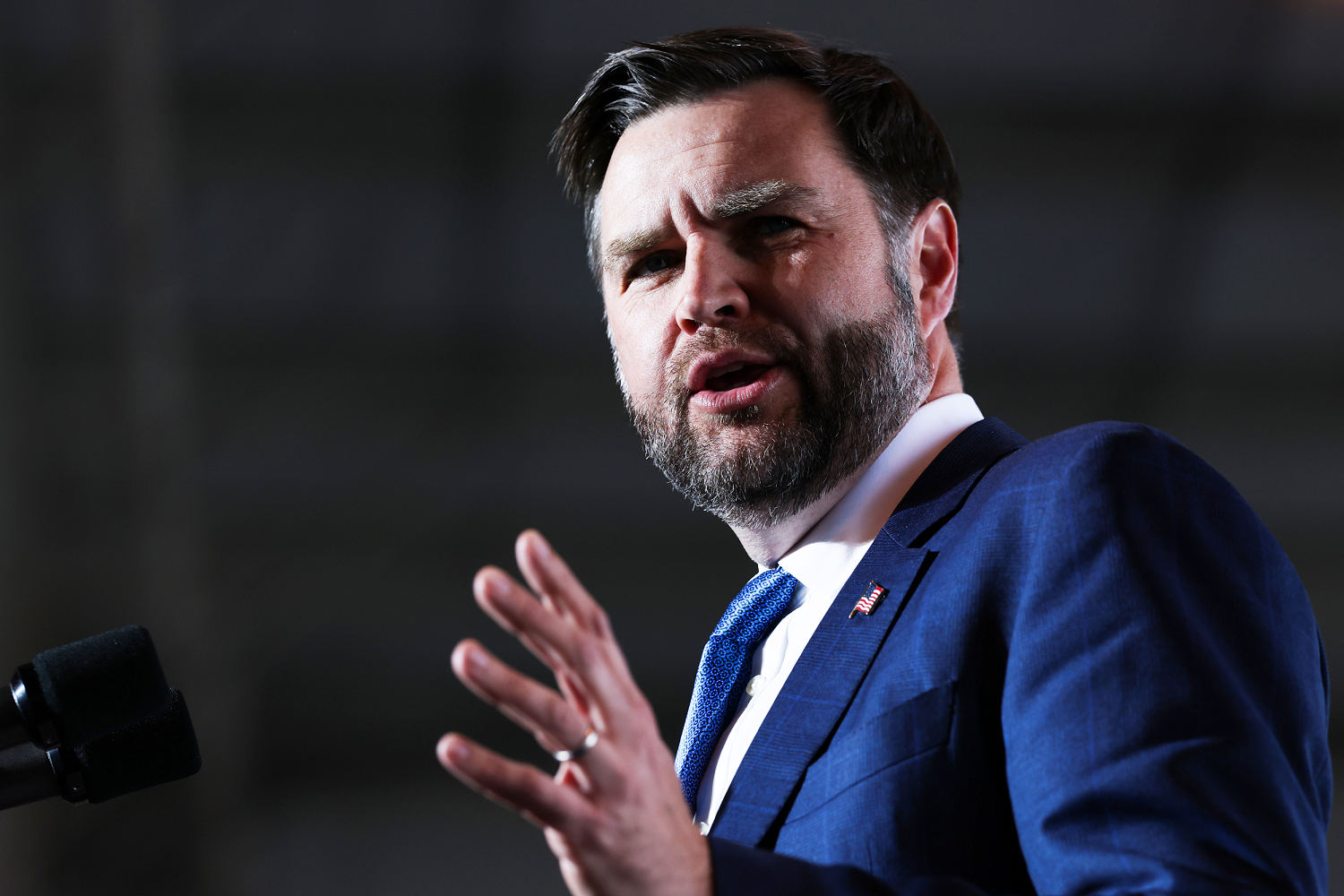
President Trump has framed this naval buildup as pure strength, telling reporters during Thanksgiving calls from Mar-a-Lago that the US is "loaded up" and has "victory at hand" while accusing Iran of making "big mistakes". Yet in the very same breath, he's holding back from massive new bombing campaigns.
Why the hesitation? Domestic politics and energy prices.
The disruptions in the Strait of Hormuz have driven up global fuel costs, and voters made their frustration clear during the November 2026 midterm elections, handing major losses to the Republican Party. Launching a massive air campaign that sets the entire Persian Gulf on fire would spike gas prices overnight and tank the economy.
At the same time, pulling the carriers out would look like a retreat. Keeping a heavy naval presence in West Asia lets Trump keep his options open:
- Coercive diplomacy: The blockade squeezes Iran's access to foreign currency, pushing Tehran toward the negotiating table without requiring American boots on the ground.
- NATO integration: Trump recently noted that NATO is now involved in US operations following meetings with Secretary-General Mark Rutte, spreading the political and operational burden.
- Rapid strike capability: If Iran crosses a red line—like advancing its nuclear program or hitting a major US base—the Roosevelt and the Bush already have their air wings in position to retaliate within hours.
Tehran knows this. Deputy Foreign Minister Kazem Gharibabadi stated on Iranian state media that the country is still legally in a "state of war" and is preparing simultaneously for diplomacy, an economic blockade, or full military aggression. Neither side wants an uncontrolled spiral, yet neither side can afford to blink first.
What You Should Watch Moving Forward
Don't get distracted by every headline announcing a warship crossing the Suez Canal or entering the Arabian Sea. Naval deployments are slow, predictable, and largely dictated by maintenance schedules.
Instead, pay attention to three concrete indicators that actually signal whether this conflict is heading toward a deal or a blowup:
- Brent crude futures and tanker insurance rates: Maritime insurers know the real risk level in the Strait of Hormuz before politicians do. If war-risk premiums spike, escalation is coming.
- CENTCOM interdiction reports: Watch how often US forces have to use kinetic force—like disabling blockade-running ships—versus simple radio warnings.
- Omani or Qatari diplomatic traffic: When backchannel mediators suddenly start flying between Tehran and Washington, the blockade is doing its job and a ceasefire framework is on the table.
Keep your eye on the shipping lanes and the oil markets, not just the carrier count. That's where the real outcome of this standoff is being decided.