Doremus Avenue in Newark isn't exactly scenic. It's a bleak stretch of industrial warehouses, heavy truck traffic, and barbed wire. But in the early hours of Monday morning, this patch of New Jersey became a flashpoint for a physical confrontation between federal immigration enforcement and local communities.
What started as a peaceful weekend vigil outside the Delaney Hall detention center quickly devolved into chaos. By 1:00 a.m., federal agents were deploying pepper spray and batons against a crowd of roughly 125 people.
The immediate trigger? An attempt by U.S. Immigration and Customs Enforcement (ICE) to transfer Martin Soto, a detainee who had just launched a hunger strike to protest conditions inside the facility.
The clash wasn't an isolated incident. It highlights a massive, growing rift between local organizers, federal agencies, and New Jersey politicians trying to navigate an increasingly broken immigration framework.
The Spark inside Delaney Hall
To understand why people were willing to block vehicles and face down pepper spray in the middle of the night, you have to look inside Delaney Hall. On Friday, May 22, around 300 detainees signed a collective letter documenting abysmal living conditions and inadequate medical care. They went on strike, refusing to work or eat.
Martin Soto, a detainee at the center of the movement, went public with his participation. His wife, Gabriela Soto, immediately began organizing community support outside the gates.
According to Gabriela, the retaliation from facility staff was swift. She noted that guards held her husband in a cell for eight hours on Friday, pressuring him to call off the outside protests. They openly asked him if he was the mastermind behind the internal strike.
By Sunday, the situation boiled over. Gabriela, who is pregnant with the couple's third child, was waiting in the visitor line when she noticed guards shoving a man into the back of an ICE transport van. Other visitors told her it was Martin.
"I was banging on the door of the van," Gabriela said later. "They were pulling and dragging him into the van. He was screaming and banging on the window."
Word spread instantly through the local activist network. By midnight, dozens of community members rushed to the facility, forming a human chain across the back gate on Doremus Avenue to block the transport vehicles.
Midnight Escalation on the Streets
The Department of Homeland Security (DHS) views the night through a very different lens. In an official statement, the agency labeled the crowd "agitators" who constructed illegal barricades and damaged a federal vehicle with unidentified objects. DHS defended the transfer, stating that Soto is an undocumented individual facing assault charges and needed to be moved to ensure operational security.
But folks on the pavement describe a scene of heavy-handed federal force. Organizers from Resistencia en Acción NJ reported that around 1:25 a.m., ICE agents, with backup from Newark police, moved to clear the roadway.
Agents allegedly pushed demonstrators into parked cars, shoved them onto sidewalks, and directly deployed chemical irritants and batons. At least one person suffered a significant leg injury during the scuffle, and multiple protesters required treatment for pepper spray exposure.
Despite the resistance, ICE managed to break the perimeter. Soto was successfully transferred down the road to the Elizabeth Contract Detention Facility, a notorious, windowless private warehouse run by CoreCivic.
The Fractured Political Reality of New Jersey
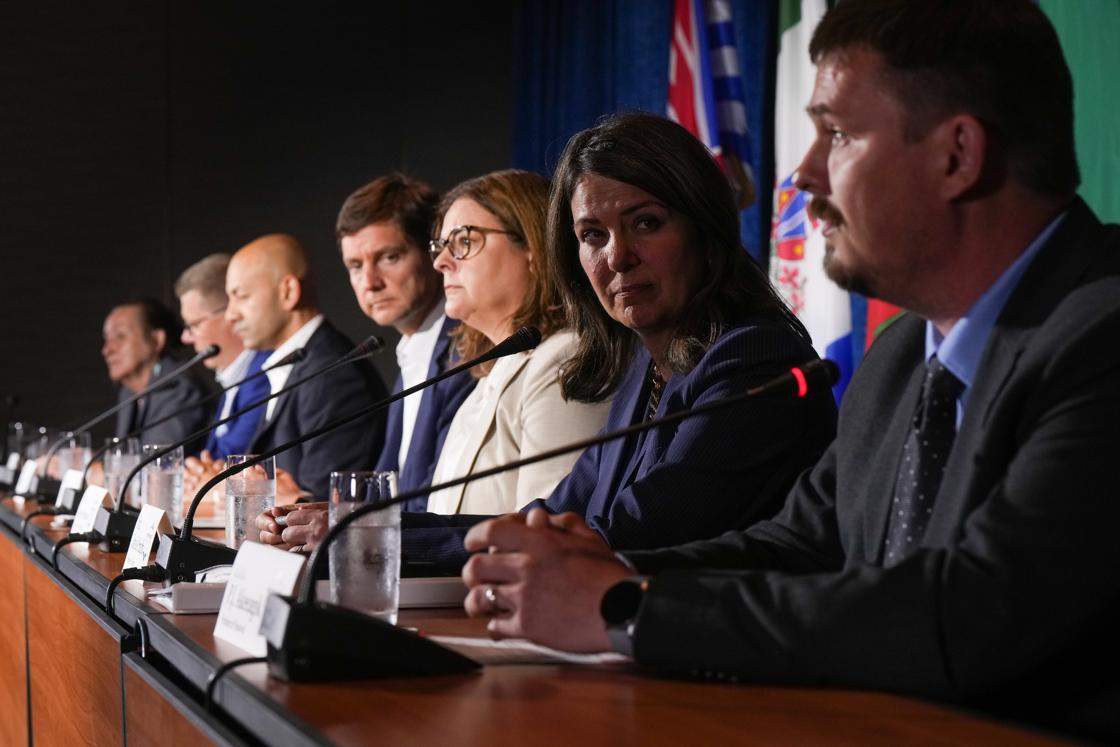
The clash forced immediate reactions from top-tier Garden State politicians. On Monday morning, U.S. Senator Andy Kim and Governor Mikie Sherrill arrived at the scene. They were joined by congressional representatives Rob Menendez, LaMonica McIver, and Analilia Mejia.
While the congressional delegation managed to get inside the gates to speak with administrators, the visit offered little comfort to Gabriela Soto. Representative Menendez was the one who had to break the news to her on the pavement: her husband was already gone, locked away inside the Elizabeth facility.
This situation exposes the hypocritical legal gray area of immigration detention in New Jersey. In 2021, the state passed a widely celebrated law banning the state or private entities from entering into or renewing contracts to detain undocumented immigrants.
Yet, five years later, facilities like the Elizabeth Detention Center remain open. Why? Because private prison corporations like CoreCivic sued the state, backed heavily by the federal government, claiming a state law can't override federal immigration enforcement operations.
The result is a messy stalemate where local communities vote for closures, but federal agencies keep the cell doors locked anyway.
What Happens Right Now
If you want to support the ongoing efforts or stay informed on how this specific fight unfolds, here are the direct channels and steps being utilized by local advocates:
- Monitor Legal and Health Status: Advocacy groups are tracking the status of the hunger strikers now split between Newark and Elizabeth. You can find direct updates through local monitoring groups like Eyes on ICE and Resistencia en Acción NJ.
- Pressure State Leadership: Local organizers are actively demanding that Governor Sherrill move past public statements and use state executive powers to inspect these facilities for health and safety violations, bypassing federal roadblocks.
- Support Grassroots Mutual Aid: Families of detainees bear the massive financial burden of legal fees and lost income. Local groups are coordinating direct mutual aid funds to keep families like the Sotos supported during prolonged detention battles.