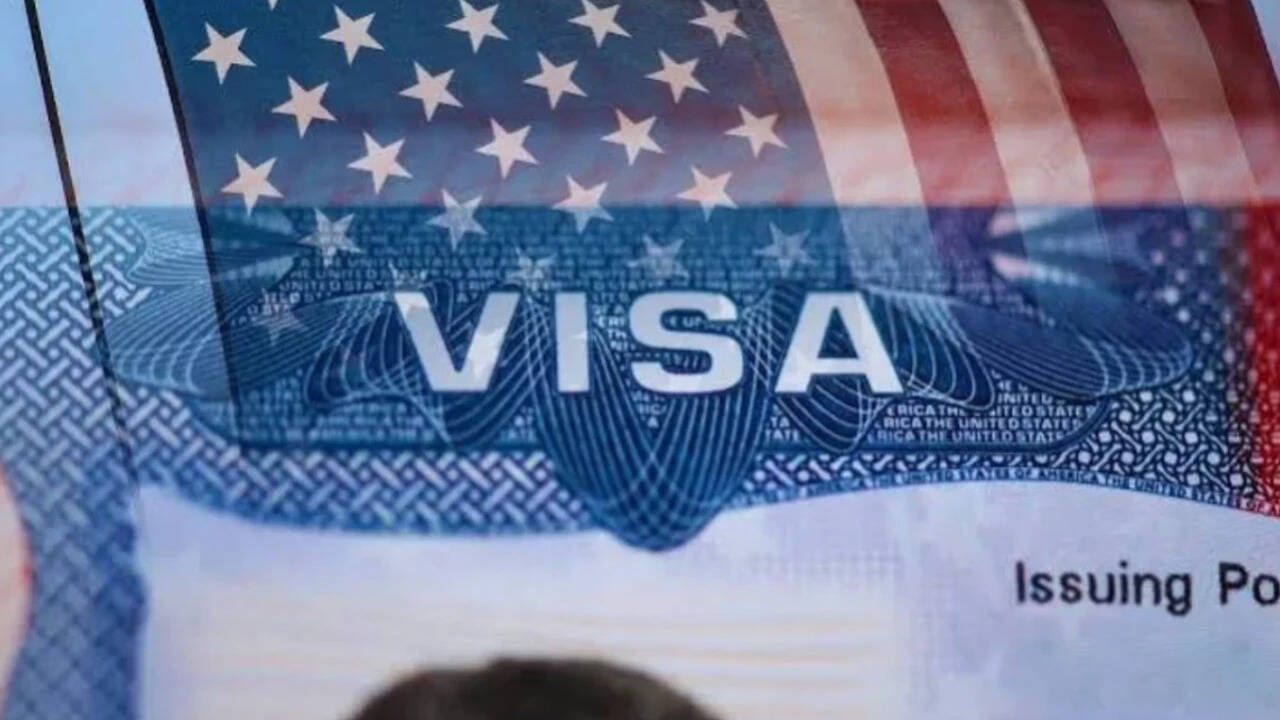
A ten-year multiple-entry B1/B2 visitor visa functions as a key to unlock the border, not a multi-year lease on residency. When travelers, particularly parents visiting families in the United States, touch down at primary entry points such as Miami International Airport, they operate under a deeply flawed heuristic: the assumption that possessing a visa valid for a decade guarantees an automatic six-month authorization of stay. Recent inspection outcomes at major ports of entry demonstrate the friction between consular expectations and border enforcement realities, where visitors presenting return tickets scheduled five months out receive restricted admissions of sixty days or less. This divergence stems from a fundamental misunderstanding of the jurisdictional split governing United States immigration law.
The Institutional Divide: Consular Issuance Versus Border Admissibility
United States immigration architecture is divided between two distinct federal agencies operating under separate mandates. The Department of State through its consular officers evaluates preliminary eligibility abroad, determining whether an applicant overcomes the statutory presumption of immigrant intent codified in Section 214(b) of the Immigration and Nationality Act. Passing this interview yields a visa counterfoil affixed to the passport. That foil represents a permission mechanism to travel to a port of entry and request admission.
The Department of Homeland Security through Customs and Border Protection controls the actual perimeter. Upon arrival, a CBP officer conducts a de novo inspection under Section 235 of the Immigration and Nationality Act. The officer evaluates physical admissibility, travel purpose, financial self-sufficiency, and intent. The visa foil grants zero inherent rights regarding the length of stay per admission. While administrative guidelines historically permitted an initial six-month admission period for B-2 visitors under standard conditions, officers possess unmitigated statutory discretion to curtail that period to thirty days, sixty days, or any designated duration matching the verified parameters of the temporary visit.
The Function and Mechanics of Form I-94
The controlling document for any foreign national inside the United States is not the visa expiration date printed in the passport, but rather the electronic or paper Form I-94 Arrival Departure Record. Each legal entry generates a distinct I-94 record specifying an Admit Until Date.
Travelers frequently confuse the validity window of the visa stamp with the authorized period of stay indicated on the I-94. A visa expiring in 2030 does not permit a continuous six-year stay. Conversely, an individual whose visa expires next month can remain lawfully in the United States until the exact date stamped on their current I-94, provided they entered before the visa expiration.
When CBP officers truncate an admission period to sixty days—as observed in recent Miami inspections—the I-94 controls the legal timeline. Failing to recognize this discrepancy leads directly to unlawful presence. The moment the I-94 expiration date passes without an approved extension or departure, statutory overstay penalties trigger automatically, regardless of the multi-year validity remaining on the physical visa foil.
Operational Triggers Driving Truncated Admissions
Border inspection algorithms and secondary interview protocols rely on behavioral indicators and documentary signals. When families arrive for extended visits, specific risk factors elevate scrutiny and lead to restricted stays.
The Return Ticket Discrepancy
Presenting an itinerary showing a return flight four or five months after arrival while lacking verifiable proof of extended leave from employment, property management responsibilities, or financial obligations abroad signals a dual intent risk. CBP officers evaluate whether the visitor maintains a primary residence or if their center of life has functionally shifted to the United States.
The Childcare and Labor Substitution Vector
A frequent justification offered by visiting parents involves assisting adult children with newborns or domestic management. Under immigration guidelines, entering the United States to perform continuous unpaid domestic labor or childcare that would otherwise require hiring domestic workers touches upon unauthorized employment and labor substitution risks. Articulating an intent to stay for months to care for grandchildren often prompts officers to view the visitor as a de facto resident rather than a short-term tourist.
Frequency and Proximity of Prior Visits
Visitors who spend nine months out of any twelve-month cycle inside the United States using sequential B1/B2 entries exhaust the core definition of a temporary visitor. CBP officers analyze travel history through automated entry exit databases. Cumulative presence that mirrors residency patterns triggers administrative pushback, resulting in restricted admission windows or expedited removal proceedings.
The Cost Function of Non-Compliance and Overstays
Misjudging border discretion and overstaying an I-94 date carries severe statutory penalties under federal law. The enforcement mechanism is automated and unforgiving.
Under Section 222(g) of the Immigration and Nationality Act, any nonimmigrant who stays in the United States past their authorized period specified on Form I-94 voids their visa automatically. A multi-year visa becomes instantly null and void the day after the authorized stay expires. The traveler must return to their home country and apply for a new visa through consular processing, facing heightened skepticism and low approval probabilities.
For longer violations, statutory bars apply:
- An unlawful presence period exceeding 180 days but less than one year triggers a mandatory three-year bar upon departure.
- An unlawful presence period of one year or more triggers a ten-year bar upon departure.
Beyond formal bars, every truncated admission or notation of secondary inspection scrutiny enters the traveler's permanent electronic dossier. Future consular officers review these historical notes when evaluating subsequent visa renewals, creating a compounding disadvantage for applicants who fail to align their travel practices with statutory definitions.
Strategic Operational Protocol for Visitors
Navigating ports of entry successfully requires treating every international transit as an independent legal review. Travelers and their sponsoring families must adopt a disciplined operational framework.
First, align itinerary durations with realistic tourist parameters. Initial trips for visiting relatives should target shorter windows, such as thirty to forty-five days, rather than maximum-allowable stretches. Shorter visits reduce suspicion and establish a consistent pattern of compliance.
Second, compile verifiable documentation of home country ties prior to departure. This dossier must include active employment letters, property deeds, tax filings, active utility accounts, and medical appointments scheduled abroad. These items prove that the visitor maintains an active economic and social infrastructure outside the United States.
Third, verify the exact I-94 admission record online immediately after clearing the port of entry. Relying on verbal assurances from inspection officers or assuming a standard six-month grant is an operational error. If an officer issues a restricted stay, recognizing the exact deadline allows families to adjust departure plans or file timely extension applications through Form I-539 before status lapses, preserving future admissibility and preventing visa revocation.