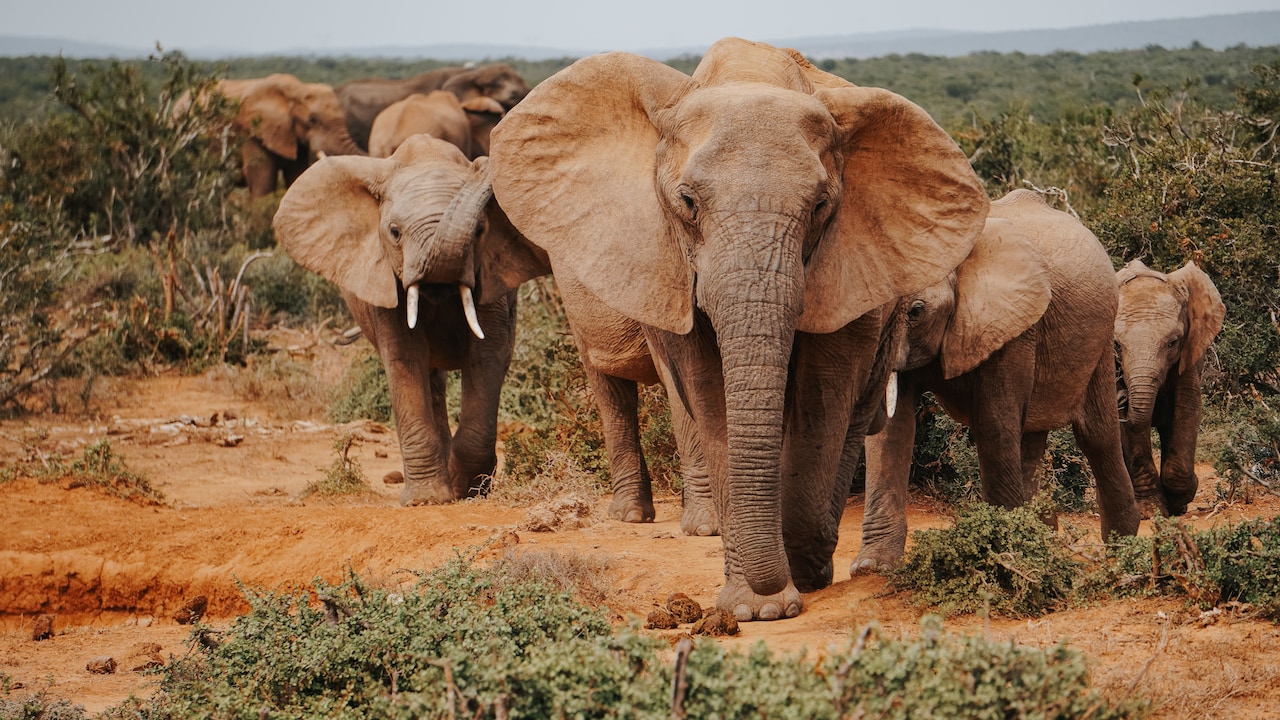
A man sneaks into Kruger National Park. He hunts illegally. An elephant herd crushes him. The internet erupts in applause.
Poetic justice. Instant karma. Nature striking back with a vengeance. Meanwhile, you can explore other developments here: Stop Blaming Children for Adult Systemic Failures.
It is a deeply satisfying narrative. It is also entirely useless if you care about saving wildlife.
When headlines pop up about a low-level tracker trampled by pachyderms or gunned down by a ranger patrol, social media treats it like the climax of an action movie. Good defeats evil. The ecosystem defends itself. To understand the bigger picture, check out the detailed analysis by TIME.
This framing is a lazy, comforting fairy tale. It allows comfortable observers thousands of miles away to feel a momentary surge of righteous satisfaction while ignoring the systemic failure rotting global conservation from the inside out. Celebrating a dead poacher does not save a single rhinoceros. It merely masks a structural catastrophe behind a veneer of poetic retribution.
The Myth Of The Lone Predator
The popular imagination paints wildlife crime as a simple battle. On one side stands a greedy, bloodthirsty criminal fueled by malice. On the other side stands the innocent animal, aided by brave rangers and angry elephants.
Reality is far more mundane and far more depressing.
The man trampled in Kruger was almost certainly a foot soldier. In the hierarchy of the illegal wildlife trade, the person tracking tracks through the dust is the most disposable asset on the board. He is the pawn pushed forward because his life is cheap.
When conservation media focuses on the sensational theater of a poacher meeting a gruesome end, it distracts from the institutional rot. It turns an economic and governance crisis into a cartoon morality play. You cannot arrest your way out of poverty, and you certainly cannot trample your way out of international smuggling syndicates.
Look at the economics. In rural communities bordering major African game reserves, formal employment options are scarce. When the alternative is watching your family starve or accepting a cash advance from a transnational trafficking network to track a rhino horn, the calculus shifts. The risk of encountering an angry elephant or a bullet from an anti-poaching unit is a calculated gamble against starvation.
Treating these individuals as irredeemable monsters rather than rational actors responding to desperate economic incentives guarantees that the supply of poachers will never run dry. For every man crushed by a pachyderm, another takes his place before the sun sets. The syndicate kingpins sitting in luxury high-rises in Johannesburg, Hanoi, or Beijing do not blink when a foot soldier dies. They simply recruit a replacement.
Fortress Conservation Is Failing
For decades, the dominant model for protecting endangered species has been fortress conservation. Build fences, hire armed guards, shoot first, and let nature fend for itself.
It sounds tough. It looks good on documentary channels. It is a catastrophic failure in the long run.
Militarized conservation treats local populations as enemies rather than stakeholders. When communities living on the edge of a park see millions of dollars funneled into anti-poaching weaponry while their schools lack books and their clinics lack medicine, hostility grows. If a park brings you nothing but restricted access, lost livestock, and armed conflict, wildlife becomes a liability rather than an asset.
When wildlife is a liability, poaching is resistance, or at worst, a survival mechanism.
Imagine a scenario where a community owns its wildlife resources, shares tourism revenues directly, and treats conservation as a viable local industry. In those rare regions where Community-Based Natural Resource Management actually functions, poaching plummets. Not because elephants are squishing intruders, but because local people have a financial stake in keeping animals alive.
When elephants are worth more alive to the local village than dead to a middleman, the village polices itself. They do not need a herd of pachyderms to act as judge, jury, and executioner. They protect their assets because those assets feed their children.
Cheering for a poacher to get trampled is a symptom of a movement that has lost its grip on practical reality. It substitutes bloodlust for policy. It treats a symptom while ignoring the disease.
The Anatomy Of An International Syndicate
Let us dismantle another persistent falsehood. The illegal trade in rhino horn, ivory, and pangolin scales is not driven by local subsistence hunters trying to feed their families. That is a minor fraction of the volume.
The real engine is organized crime. These are sophisticated, transnational networks with logistics chains that rival legitimate shipping corporations. They use encrypted communications, bribe customs officials, launder money through front companies, and operate with impunity across multiple continents.
When a news outlet runs a breathless report about an elephant herd killing a poacher, they give the public a narrative villain to hiss at, while the actual masterminds move millions of dollars of contraband across international borders without breaking a sweat.
The police forces and intelligence agencies tasked with dismantling these syndicates are routinely underfunded, corruptible, and outgunned by the very criminal networks they are supposed to fight. Focusing attention on the dramatic theatre of the bush—where nature occasionally eliminates a low-level operative—actively draws oxygen away from the unglamorous, grinding police work required to arrest the financiers and corrupt officials who enable the trade.
You do not stop the ivory trade by hoping an elephant steps on the right person. You stop it by freezing bank accounts, cracking open shell corporations, and aggressively prosecuting customs officials who look the other way at major shipping ports.
The Downside Of The Contrarian Truth
Adopting this perspective comes with a steep cost. It strips away the emotional comfort of moral certainty.
It is easy to hate a poacher. It is tidy to view the natural world as a self-correcting moral universe where karma is delivered by a two-ton mammal.
It is much harder, and much more uncomfortable, to admit that the survival of endangered species depends on solving complex socioeconomic problems, combating deep-seated government corruption, and fundamentally restructuring how local communities interact with protected areas.
My time tracking conservation initiatives across southern Africa has taught me one brutal truth: sanctuaries protected by guns and guarded by righteous anger are living on borrowed time. If the people living outside the fence hate the park more than they value the wildlife inside it, the fence will eventually fall. No herd of elephants is big enough to hold back a tide of human desperation.
What To Do Instead
Stop treating wildlife conservation like a superhero movie. Stop looking for poetic justice in the tragic deaths of impoverished men, and stop pretending that a dead poacher represents a victory for biodiversity.
Shift the focus from reactive violence to proactive economics.
First, direct conservation funding away from bloated, purely militarized security theater and toward community-level economic integration. If local populations do not profit directly from conservation, conservation is already dead; you just haven't buried it yet.
Second, demand accountability from international law enforcement. Track the money, not just the tracks in the mud. Expose the corrupt politicians, shipping magnates, and middlemen who treat endangered species as luxury commodities.
Third, stop consuming and spreading lazy narrative tropes that reduce a massive geopolitical crisis into a viral spectacle of animal revenge.
The next time a headline breaks about a poacher meeting a grim fate in the bush, do not reach for the popcorn. Recognize it for what it is: a flashing warning light that a broken system has claimed another expendable life, while the real architects of extinction sit safely offshore, counting their money.


