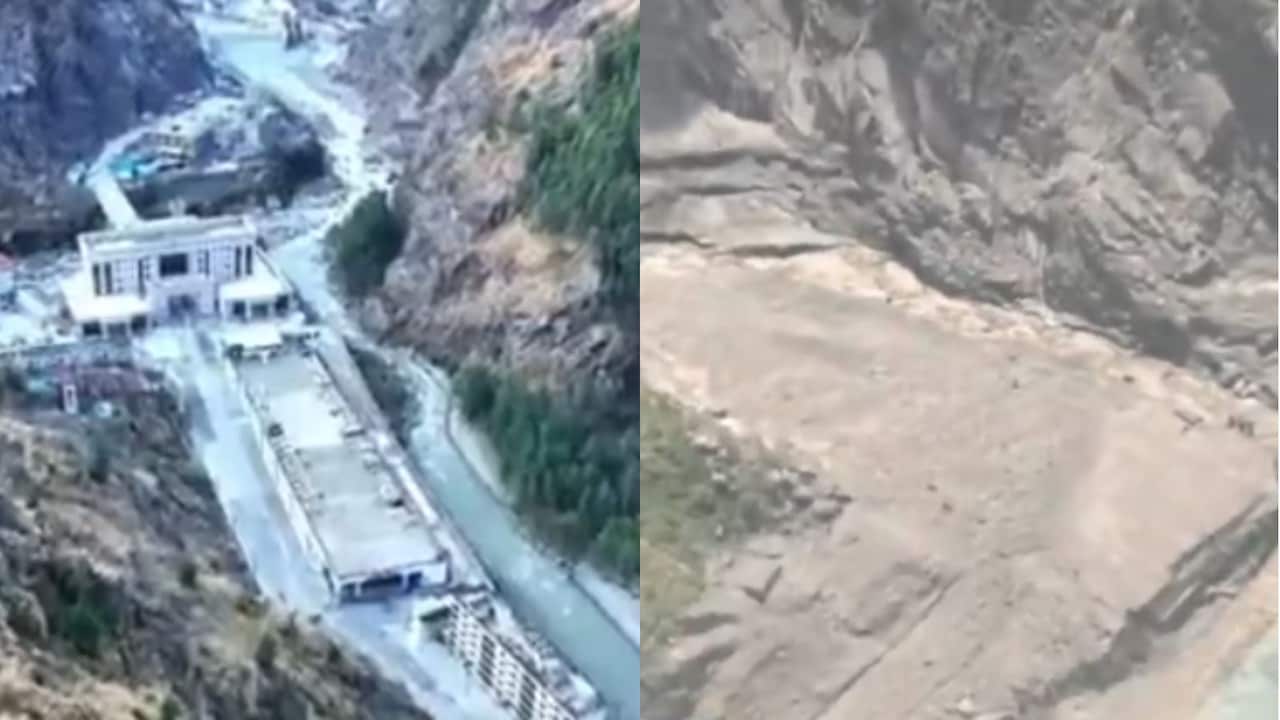
When a massive wall of ice, mud, and rock tore through the Nepal-Tibet border, hundreds of travelers found themselves directly in the path of destruction. Among the missing and stranded were large numbers of Indian nationals. If you are wondering why so many pilgrims were clustered in this remote Himalayan corridor, the answer comes down to timing, sacred geography, and standard high-altitude travel routes.
Most of these travelers were journeying for the sacred Kailash Mansarovar Yatra, a historic pilgrimage to Mount Kailash and Lake Manasarovar in southwestern Tibet. Mount Kailash holds profound spiritual value for Hindus, Buddhists, Jains, and followers of the Bon tradition. Thousands of devotees make this arduous journey every year.
The Geography of the Route
Reaching Mount Kailash isn't simple. Pilgrims typically fly from New Delhi to Kathmandu, Nepal, before traveling overland toward the northern border.
The primary land corridor runs through Nepal's Rasuwa district, crossing the border at Rasuwagadhi into Tibet's Gyirong Port. Tour operators schedule these trips carefully. Acclimatization is mandatory because the terrain climbs rapidly from lower river valleys up to high-altitude mountain passes exceeding 5,000 meters.
Groups scheduled their border crossings for late August, lining up at immigration checkpoints just as weather patterns and geological instability converged.
What Actually Triggered the Disaster
The catastrophe wasn't caused by ordinary seasonal rain. Investigators and hydrological agencies point to a severe glacial collapse near the border, which sent a destructive Glacial Lake Outburst Flood (GLOF) surging down the Bhotekoshi and Trishuli river valleys.
The deluge wiped out roads, bridges, hydro projects, and immigration offices within minutes. Because the Gyirong crossing serves as a major funnel point for international tour groups heading toward Tibet, hundreds of foreign nationals—including over 100 Indian citizens—were caught right at the checkpoint or resting in nearby staging towns like Rasuwagadhi. Prominent groups, including travelers organized through the Isha Foundation, were finishing up or awaiting clearance at the immigration center when the flash floods hit.
The Growing Danger of Himalayan Travel
Climate change is actively reshaping high-altitude routes across South Asia. Warming temperatures destabilize glaciers and alpine lakes at an alarming rate, turning routine pilgrimage trails into high-risk zones.
Travel operators, government officials, and pilgrims now face tough questions about seasonal timing and infrastructure safety in narrow border gorges. If you plan to travel through high-elevation Himalayan corridors, keep emergency evacuation protocols in mind, monitor regional meteorological warnings closely, and recognize that mountain weather can turn catastrophic in seconds.