The global sports media apparatus just triggered its favorite playbook. A political figure opens their mouth, hurls a vile insult at an elite athlete, and the athlete fires back with a perfectly polished statement of condemnation. The headlines write themselves. The public applauds the courage of the player. The sports federations issue press releases packed with platitudes about tolerance.
It is a comforting routine. It is also entirely useless.
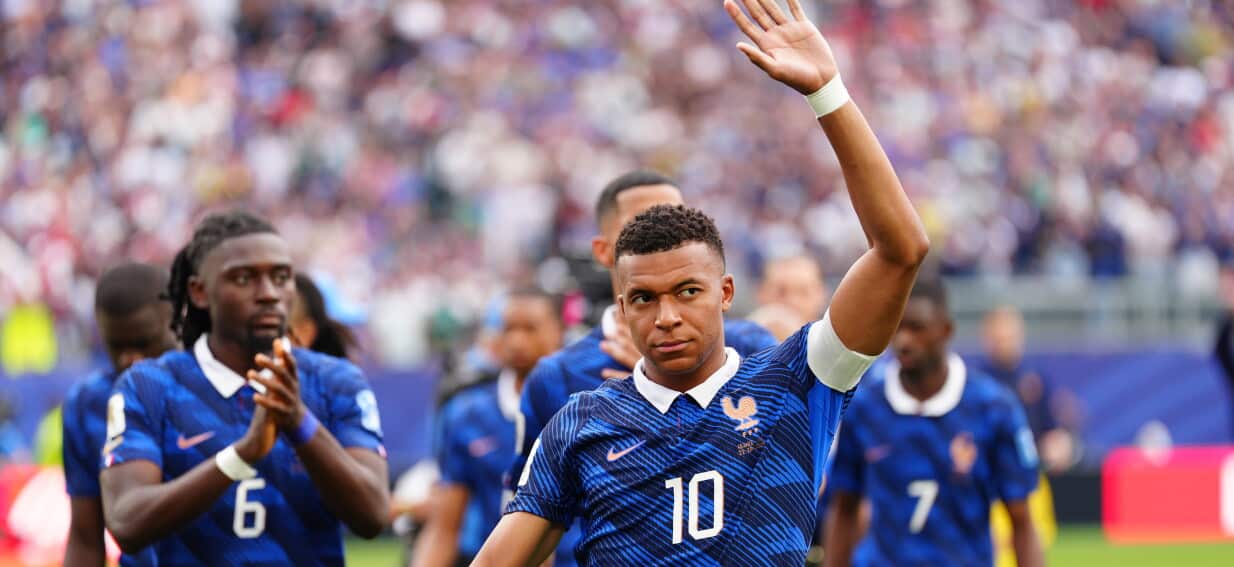
When Kylian Mbappé condemned a Paraguayan senator for racist abuse, the collective response followed this exact script. Everyone patted themselves on the back for being on the right side of history. But if you look past the immediate dopamine hit of a superstar standing up to power, you find a stark reality: these high-profile spats do not dismantle systemic prejudice. They sustain the very machinery that profits from it.
The Myth of the Athlete Activist as a Disrupter
We have been conditioned to believe that when an athlete with one hundred million followers speaks out, systems shake. They do not.
Modern sports federations and social media corporations love these public feuds. Outrage drives engagement. A viral tweet calling out a politician generates more traffic, more ad revenue, and more clicks than a routine match report. The industry treats racism not as a systemic crisis to solve, but as an infinite content engine.
Consider the data on digital interactions during major international tournaments. A 2022 study by FIFA and FIFPRO tracked over 400,000 social media posts during the semi-finals and finals of major competitions. They found that over 50 percent of the players received some form of targeted abuse. Did the platforms shut down? Did the sponsors pull out? No. The metrics went through the roof.
When a superstar engages with a politician, they are not breaking the cycle; they are feeding the algorithm exactly what it wants. The athlete gets a reputational boost as a social justice icon, the politician gets a surge of notoriety among their base, and the platforms cash the checks.
The PR Shield for Corrupt Governance
The real damage of the Mbappé-style condemnation is that it offers sports governing bodies a convenient escape hatch.
FIFA, UEFA, and various national associations have spent decades masking their structural failures behind player-led anti-racism campaigns. They put patches on jerseys, run slick advertising campaigns featuring minority players, and let the athletes do the heavy lifting of moral leadership.
This shifts the burden of responsibility from the institution to the individual.
When a player takes the brunt of the abuse and handles it publicly, the federation gets to skate by. They issue a generic statement "standing in solidarity" with the player, avoiding any self-reflection on why their own disciplinary systems are teethless. Fining a national association 20,000 Swiss francs for fan behavior or political misconduct is pocket change. It is a cost-of-doing-business tax that allows institutions to avoid real structural reform, such as stripping hosting rights or deducting points permanently.
I have watched sports entities burn through millions on external PR consultants to craft the perfect "zero tolerance" messaging. It is corporate theater. The moment you look at executive suites or boardrooms of major European football clubs and federations, the diversity vanishes. According to recent sporting inclusivity audits, less than 10 percent of senior leadership roles across top-tier European sports organizations are held by individuals from ethnically diverse backgrounds. The people running the game do not look like the players they expect to fight the battles.
The Flawed Logic of Political Condemnation
Attacking a politician in another hemisphere is a low-risk, high-reward move for a modern athlete. It requires no sacrifice. It does not threaten broadcasting contracts, shoe deals, or club salaries.
True disruption hurts. If elite players wanted to force a change in how global sports authorities handle discrimination, they would target the money.
Imagine a scenario where a squad refuses to take the pitch for a Champions League match because an international body failed to sanction an abusive environment. Imagine a premier striker walking away from a multi-million-dollar sponsorship deal because the parent company refuses to pull its advertising from platforms that allow hate speech to circulate unchecked.
That is not what happens. The matches go on. The apparel is sold. The individual statements serve as a pressure valve, releasing the anger of the fan base just enough to keep the status quo intact.
The Exploitation of the Individual
We must also confront the unfair pressure placed on these young men. Expecting a football player—no matter how brilliant or wealthy—to act as the moral compass for international diplomacy is absurd.
By celebrating these condemnations as historic victories, the public abdicates its own responsibility. We treat racism in sports as a series of isolated incidents perpetrated by cartoonish villains like a distant senator or a rogue Twitter troll.
It is far easier to condemn a single foreign politician than it is to look at the ticket pricing structures that price out local working-class minority fans from stadiums, or the grassroots coaching pipelines that systematically pass over minority managers. The media fixates on the high-profile drama because systemic analysis does not generate quick clicks.
The current strategy is broken. Applauding an athlete for a sharp retort on social media changes nothing about the power dynamics governing global sport. Until the resistance moves out of the press room and into the balance sheets, these public statements are just more noise in an already loud room. Stop treating PR victories as actual progress.