India has quietly abandoned its old strategy of total diplomatic freezing toward Kabul, replacing absolute estrangement with a calculated policy of low-visibility pragmatism. Five years after the August 2021 collapse of the Western-backed republic, New Delhi manages a functional relationship with the Taliban administration. Without granting formal sovereign recognition, Indian officials have upgraded their technical mission in Kabul back to embassy status and expanded development outlays.
This shift is not a sudden ideological conversion. It represents a cold, geopolitical reaction to shifting regional alignments, the fracture of the Durand Line, and the imperative to protect long-term security investments across South and Central Asia.
The Geography of Necessity
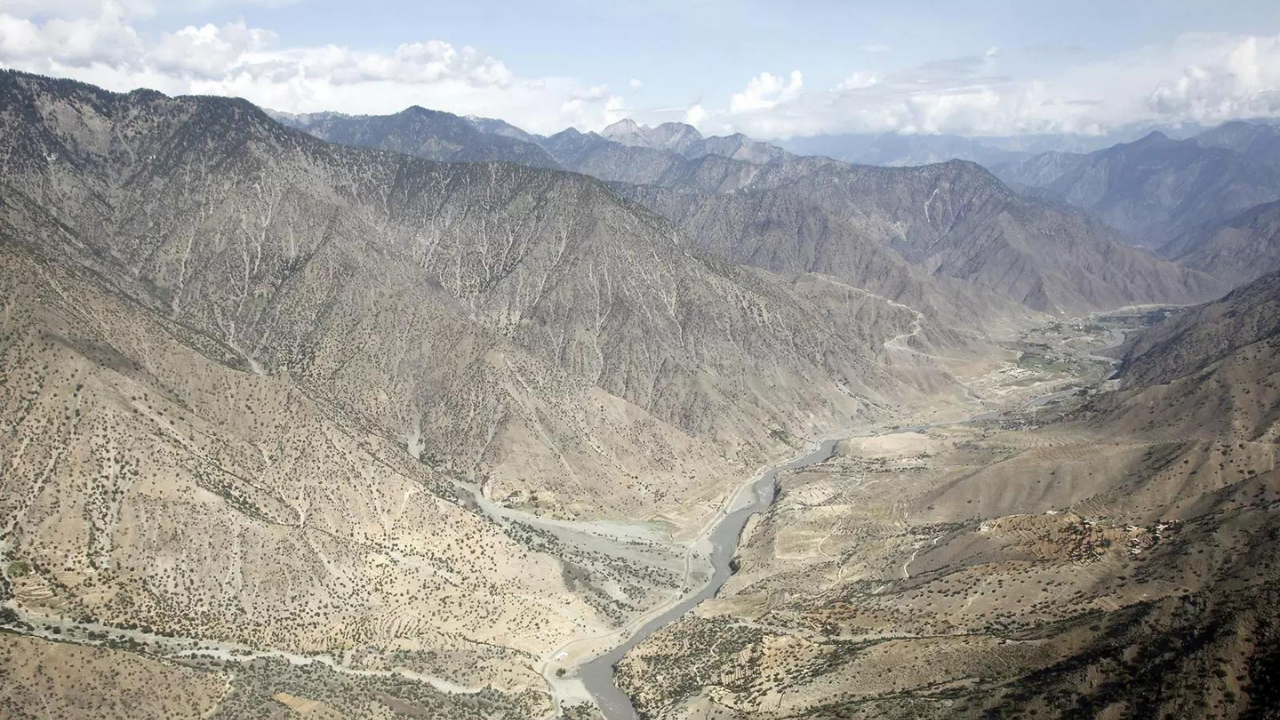
Foreign policy rarely operates on sentiment, and the Hindu Kush is no exception. When American forces exited Bagram in the dead of night, New Delhi shuttered its embassy, evacuated hundreds of diplomats, and initially wrote off the Afghan theater as a lost zone dominated entirely by Rawalpindi's proxy architecture. That paralysis lasted only as long as it took for reality to intrude.
Afghanistan remains a central geographical pivot. Without a physical footprint or active diplomatic channels in Kabul, Indian intelligence and foreign service branches were rendered blind to militant groups moving across the region. Groups like Lashkar-e-Taiba and Jaish-e-Mohammed have historically treated the borderlands as a safe haven. Remaining entirely aloof meant outsourcing India's security monitoring to third-party capitals with conflicting agendas.
Furthermore, the economic dimension cannot be ignored. New Delhi invested heavily over two decades in Afghan infrastructure, including dams, roads, hospitals, and the parliament building. Abandoning those assets meant ceding economic and strategic space completely to competing regional actors.
Shifting Tides along the Durand Line
The collapse of the traditional Islamabad-Taliban honeymoon has completely rewritten the regional chessboard. For years, Pakistani military planners viewed the return of the movement as strategic depth against India. That calculation imploded under the weight of cross-border skirmishes, border closures, and open political hostility between Kabul and Islamabad.
As the Taliban leadership found itself locked in bitter disputes with Pakistan over border management and the presence of anti-Islamabad militant factions, New Delhi recognized an opening.
India did not rush to unfurl flags or issue high-level state greetings. Instead, the Ministry of External Affairs adopted a low-frequency diplomatic rhythm. Cargo planes loaded with medical supplies, wheat, and disaster relief gear began touching down at Hamid Karzai International Airport. These consignments bypassed the traditional land transit routes controlled by hostile neighbors, arriving under strict operational coordination with whoever held the territory.
By framing these gestures as assistance directed exclusively toward the Afghan population rather than the ruling clerics, Indian diplomats thread a very narrow needle. They maintain moral clarity on governance issues while securing practical operational space on the ground.
The Chabahar Equation and Trade Realities
Connectivity remains the engine driving this quiet realignment. India’s strategic aspirations toward Central Asia depend heavily on maritime access through Iran's Chabahar port, which serves as a vital transit corridor bypassing hostile land boundaries.
For Kabul, the necessity is equally acute. Landlocked Afghanistan has historically suffered economic strangulation whenever its eastern neighbor shuts transit gates. By pivoting toward Chabahar and expanding trade corridors through Iran, the Taliban administration seeks alternative economic arteries to prevent total domestic collapse.
Indian budget allocations for Afghan development assistance scaled up to 150 crore rupees, signaling that New Delhi views economic engagement as an indispensable tool for stabilization. These funds directly target humanitarian corridors, medical infrastructure, and agricultural relief. Every sack of wheat and every medical kit delivered reinforces an alternative vector of influence that counters the monopoly of Beijing and Islamabad over Afghan external commerce.
The Cost of Strategic Ambiguity
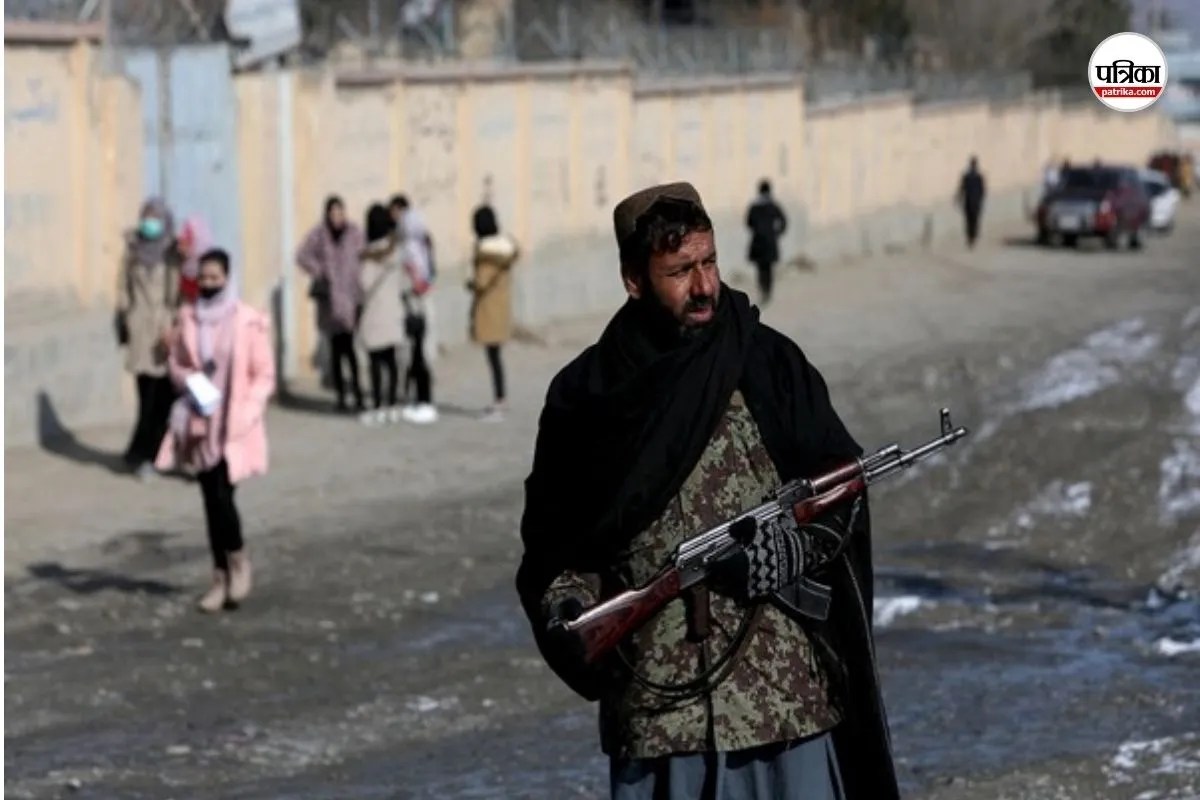
This approach carries deep structural friction. Reconciling a secular-democratic domestic identity with pragmatic engagement alongside a hardline theocracy creates constant political discomfort. Human rights defenders regularly criticize any form of institutional contact that normalizes a regime erasing women from public life.
Yet, foreign ministries do not possess the luxury of moral purity when managing hostile neighborhoods. The alternative to direct, functional engagement is total irrelevance. By accepting the messy reality of the current administration in Kabul, New Delhi retains a seat at the table where regional security is negotiated.
The border posts remain tense, economic sanctions continue to choke the banking sector, and the domestic humanitarian crisis inside the provinces worsens by the month. India's strategy offers no utopian transformation of the Afghan state. It functions merely as an insurance policy against total exclusion in a fractured landscape.
The policy is defined by calculated ambiguity, where the embassy functions under technical downgrades, aid flows through multilateral channels, and intelligence is gathered pixel by pixel. There is no triumphant return, only the quiet accumulation of influence where it matters most.