Every mainstream analyst in Washington and Seoul is currently hyperventilating over the recent defense ministry shuffle in Pyongyang. When news dropped that No Kwang Chol was out and a fresh face was brought in, the headline factories immediately spun up the usual panic. They called it instability. They called it internal friction. They called it a sign of impending erratic behavior from the top down.
They are dead wrong.
I have spent decades watching foreign policy commentators misread closed autocratic loops because they try to analyze statecraft through a western democratic lens. Every time a general gets shifted in Pyongyang, the lazy consensus assumes a palace coup or a purge born of paranoia. Let us look at the actual mechanics of how the Workers' Party maintains absolute control. This shake-up is not a sign of weakness. It is a calculated exercise in institutional hygiene.
The Myth of the Monolithic Panic Button
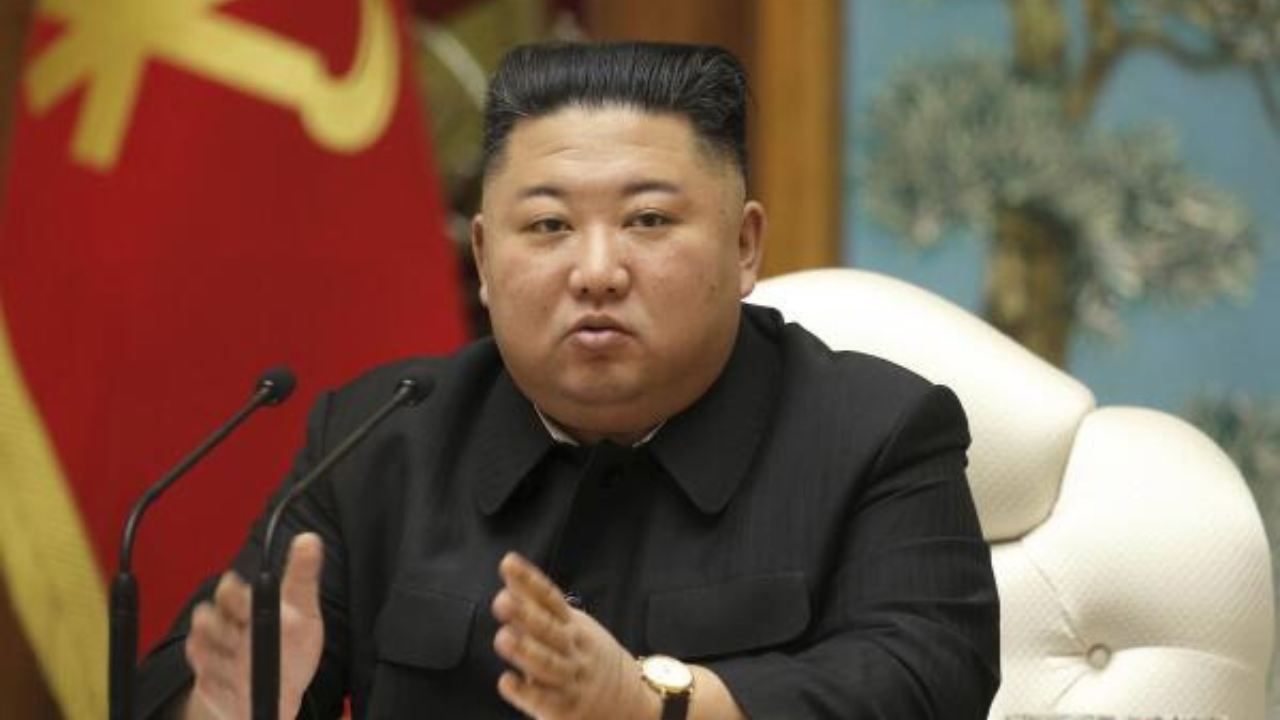
The foundational error journalists make is viewing North Korean high-level rotations as panic-driven survival tactics. When Kim Jong Un drops a defense minister or shuffles the military commission, western outlets treat it like a corporate boardroom bloodbath at a failing tech startup.
Let us be precise about terms. In a system built on totalized patronage and ideological orthodoxy, stagnation is far more dangerous than turnover. If a military chief stays in place too long, regional fiefdoms form. Generals build independent command loyalty, logistics networks get corrupted by local profiteering, and institutional dry rot sets in. Regular rotation prevents any single officer from acquiring the kind of entrenched independent power base that could genuinely threaten the center.
No Kwang Chol served his purpose. He managed a specific phase of conventional force modernization and border security restructuring. Moving him out is standard bureaucratic maintenance. Yet, the talking heads treat every personnel shift as a harbinger of collapse. They fail to understand that a churning military brass keeps commanders focused upward toward the leadership rather than laterally toward each other.
The Operational Reality Behind the Headlines
Imagine a scenario where a corporate CEO keeps the same vice president of operations for thirty years simply to avoid rocking the boat. Productivity plummets, inefficiencies hide in the dark, and complacency breeds systemic failure. In a command economy with nuclear stakes, complacency is fatal.
The defense ministry shuffle is fundamentally about alignment with new technological realities. Pyongyang has pivoted hard toward automated command systems, tactical nuclear unit integration, and multi-domain warfare. Traditional generals trained strictly in old-school infantry maneuvers and mass mobilization are liabilities. Bringing in operational minds who understand asymmetric deterrence and digital command grids is a rational upgrade, not an emotional reaction.
When we look at the data coming out of state media reports regarding defense budget allocations and munitions factory outputs, the regime is executing a tight standardization campaign. They are shedding old guard bureaucracy to streamline resource distribution. To call this chaos is to misunderstand the ruthless efficiency of authoritarian governance. Autocracies do not survive for decades by accident or by keeping incompetent loyalists in critical defense posts indefinitely. They survive by constantly pressure-testing their own administrative machinery.
Dismantling the Expert Consensus
Why do intelligence analysts and think-tank pundits get this so consistently wrong? Because doom sells subscriptions. If an expert goes on television and says, "The recent ministerial change in North Korea indicates a boring, routine administrative adjustment designed to optimize conventional-nuclear integration," nobody clicks the link. If they say, "Pyongyang is wobbling on the brink of an internal explosion," they get booked on every morning show in the country.
I have sat in closed-door briefings where career diplomats whisper their private doubts about these hysterical media narratives, only to watch them trot out the exact same tired tropes for public consumption. We must discard the narrative that Kim Jong Un is lashing out blindly. Every move within the high command is calculated to project total control both domestically and across the border.
The downside to this constant rotation approach is obvious. It can temporarily disrupt long-term strategic planning and create short-term friction in procurement pipelines. But for a regime whose primary existential goal is regime survival rather than administrative convenience, short-term friction is a price worth paying to prevent long-term military feudalism.
Stop looking for cracks in a monolith that is simply tightening its grip. The next time a minister gets demoted in Pyongyang, understand that the system is working exactly as intended.