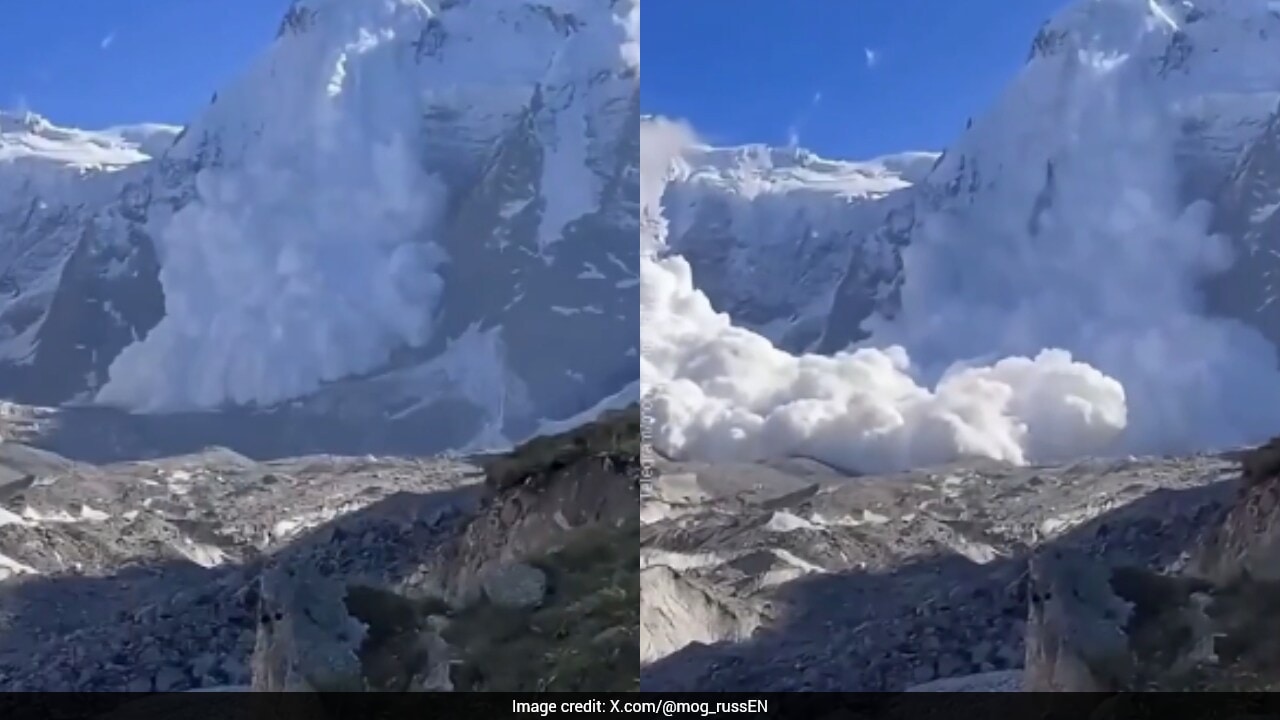
An immense wall of snow and ice crashed down Mount Mizhirgi, changing the landscape of global mountaineering overnight. At least 11 climbers lost their lives, and six others remain missing after a massive avalanche tore through the North Caucasus region. The disaster struck a large expedition of 33 climbers navigating the treacherous Bezengi Gorge. It is a stark reminder of how quickly high-altitude weather and unstable terrain can turn a dream expedition into a catastrophic survival scenario.
The Reality of Mount Mizhirgi
Mount Mizhirgi stands tall in the Kabardino-Balkaria republic, reaching roughly 5,000 meters into the atmosphere. It is part of the formidable Caucasus mountain chain, sitting not far from Mount Elbrus, Europe's highest peak. Climbers revere the area for its pristine glaciers and rugged alpine challenge. But that exact beauty hides extreme volatility.
The avalanche broke loose around 5:00 PM local time on Sunday, catching the expedition mid-descent. Out of the 33 individuals in the group, ten managed to evacuate safely under their own power. Rescue teams airlifted six injured survivors to nearby medical facilities. Tragically, the remaining members were caught directly in the path of the descending wall of snow.
The High Stakes of Caucasus Climbs
Every year, thousands of outdoor enthusiasts flock to the Russian Caucasus. Peaks like Elbrus and Mizhirgi draw independent hikers and guided commercial groups alike. Yet, high-altitude terrain demands absolute respect. Weather windows shrink without warning. Slopes exposed to intense afternoon sun destabilize rapidly.
When a mass of snow fractures at 5,000 meters, physics takes over in seconds. Survivors often report hearing a low roar just before the blast wave hits. There is rarely time to run. You rely entirely on your gear, your positioning, and pure probability.
Current Rescue Operations and Challenges
Regional emergency services mobilized dozens of personnel immediately following the disaster. More than 50 professional search and rescue workers deployed to the Bezengi Gorge. They face severe obstacles. The terrain is deeply fractured, steep, and remote.
Worse still, the threat of secondary avalanches hangs over the search area. Helicopters, including specialized Mi-8 transport aircraft, stand ready. They can only fly when wind and visibility permit. Russian investigative committees have already launched a formal inquiry into potential criminal negligence surrounding the organization of the climb. This step is standard procedure for major alpine fatalities in the region, focusing heavily on whether safety protocols and weather warnings were properly observed before the group ascended.
Mountain safety specialists emphasize that early autumn conditions in the Caucasus require constant risk assessment. Freeze-thaw cycles weaken snowpacks significantly. If you are planning high-altitude excursions in remote mountain ranges, treat route timing as your absolute priority. Move before the midday sun destabilizes the slopes, and monitor local meteorological bulletins daily.