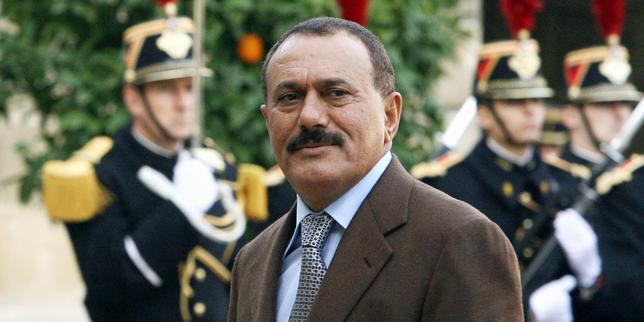
Money laundering doesn't happen in a vacuum. It takes willing intermediaries, complex corporate layers, and a heavy dose of looking the other way. When two sons of the late Yemeni dictator Ali Abdallah Saleh face the tribunal judiciaire in Paris, it exposes a much larger, dirtier ecosystem. You're looking at a classic playbook of moving stolen state wealth into luxury European bricks and mortar.
For thirty-three years, Ali Abdallah Saleh ruled Yemen with an iron grip. Long before his regime collapsed into devastating civil conflict, vast sums of public money were siphoned out of one of the poorest nations on earth. Where did a chunk of that cash land? Right in the heart of France. Real estate portfolios in prime locations don't buy themselves. They require lawyers, asset managers, and financial fixers who are happy to pocket high fees while asking zero uncomfortable questions.
The Mechanics of Laundering Elite Wealth
How do millions in public funds vanish from Sanaa and reappear as high-end apartments in Paris? It's not magic. It's structural opacity. Dictators and their families rarely buy property under their own names. Instead, they rely on shell companies, complex trusts, and proxies.
You set up a front company in an offshore tax haven. You open bank accounts across multiple jurisdictions. Then, you wire funds for property acquisitions through layers of intermediaries. To anyone outside the inner circle, the paper trail looks legitimate. But scratch the surface, and you find the fingerprints of state embezzlement.
France has spent years trying to shed its reputation as a safe haven for questionable capital. The "biens mal acquis" jurisprudence changed the legal landscape. Prosecutors no longer treat foreign corruption as a victimless crime abroad. They target the assets sitting right on French soil.
Why Fixers Look the Other Way
Greed is a powerful motivator. When millions are on the line, professional ethics often take a back seat. The mindset of certain middlemen boils down to a cynical calculation. If you don't ask where the money came from, you can cash your commission without a guilty conscience.
That brings us to the harsh reality behind cases like this. Elite corruption thrives because a global network of enablers profits from it. Real estate agents, wealth advisors, and notaries form an accidental or complicit defense line for autocrats. They enjoy the fees, the commissions, and the prestige of managing ultra-high-net-worth portfolios.
The Broader Cost
While luxury apartments sit vacant or generate rental income in upscale neighborhoods, the population back home pays the price. Yemen remains locked in a humanitarian catastrophe, dealing with collapsed infrastructure, food insecurity, and extreme poverty. Every euro diverted into Parisian real estate represents stolen hospitals, schools, and basic public services.
Holding corrupt families accountable in European courts sends a strong signal. It strips away the illusion of untouchability. Yet, the legal process moves agonizingly slow. Years pass between initial investigations and actual court dates, giving bad actors plenty of time to shuffle assets or shield wealth behind new barriers.
If financial capitals want to stop acting as safe deposit boxes for corrupt regimes, regulatory enforcement needs more teeth. Real estate professionals must face stricter background checks on buyers. Transparency laws need to tear down anonymous corporate structures once and for all. Until then, the loopholes remain open, and the cycle continues.