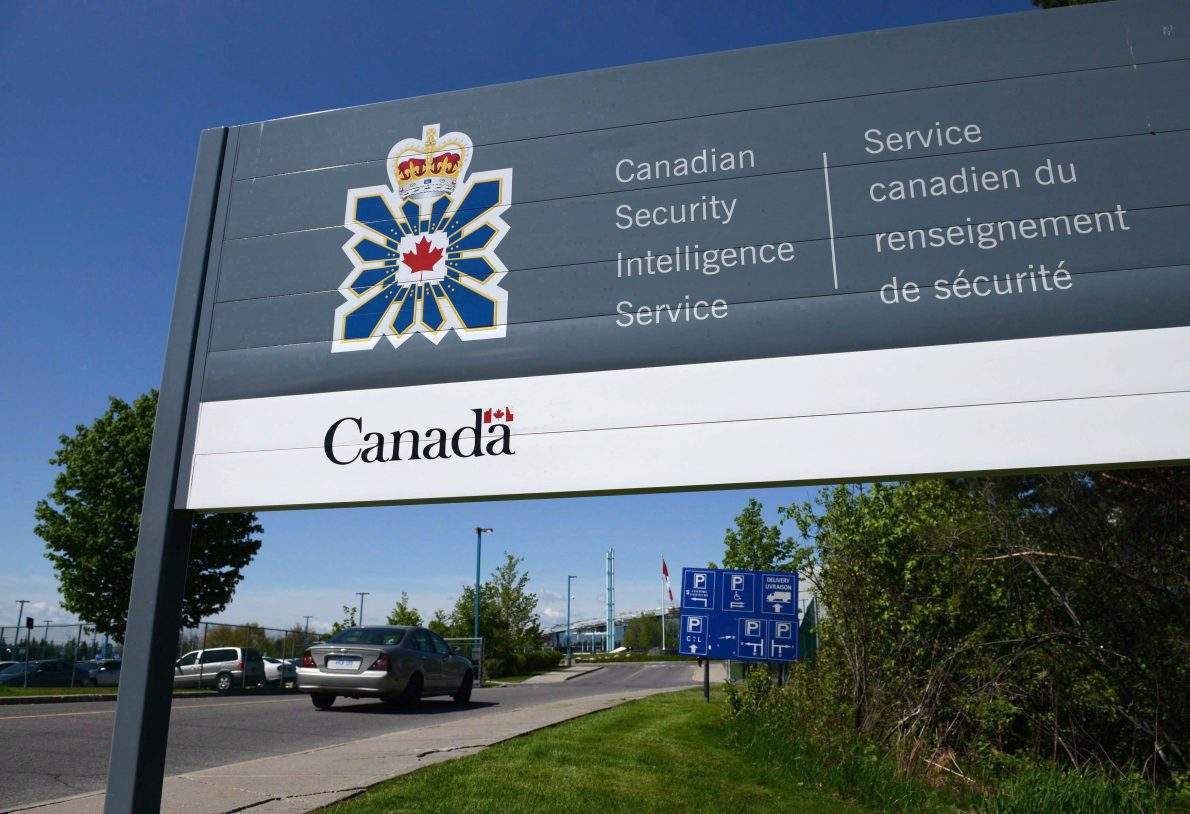
The press is panicking over a newly declassified National Security and Intelligence Review Agency (NSIRA) report. The headline consensus is simple, lazy, and wrong: Canada’s domestic intelligence agency, CSIS, is running rogue, breaking the law, and hiding 22 separate Charter of Rights and Freedoms non-compliance incidents from the federal public safety minister. Critics are screaming that the civilian oversight model has collapsed.
They are wrong. They are asking the wrong questions, looking at the wrong metrics, and fundamentally misunderstanding how modern espionage operates in a digitized world.
The media wants a simple narrative of a deep-state spy agency defying its political masters. The reality is far more tedious and far more dangerous. It is a story of a legacy legal framework, built in 1984, colliding with the brutal realities of 2026 digital warfare.
Stop trying to fix the reporting pipeline. The pipeline isn't the problem; the definition of the product is.
The Prosecutable Offence Myth
For years, CSIS operated under a strict legal interpretation of the CSIS Act. The director only filed a formal report to the minister if an employee’s actions amounted to a "prosecutable offence." The watchdog called this a narrow view that allowed the agency to sidestep accountability.
This is a classic misunderstanding of intelligence operational reality.
Spying is not police work. If an agency collects signals intelligence or digital breadcrumbs, and a technical technicality skews outside a judicial warrant by a millimeter, it is technically "non-compliant." It is not a crime. Treating every minor operational friction point or Charter non-compliance incident as a ministerial emergency does not protect civil liberties. It paralyzes operations.
I have watched organizations stall out for months because compliance teams demanded exhaustive briefs on minor technical anomalies. When you force a spy agency to treat a administrative misstep with the same gravity as a rogue agent selling secrets to a hostile nation, the system logs up. The noise drowns out the signal.
Political Plausible Deniability Is a Feature Not a Bug
The consensus view assumes that politicians actually want to know every time a CSIS employee steps over an ambiguous legal line.
They don't.
The structure of cabinet secrecy and ministerial responsibility means that detailed knowledge equals accountability. If the public safety minister receives an exhaustive, granular breakdown of all 22 Charter non-compliance instances from the 2023-24 fiscal year, the minister now owns those infractions.
By keeping the reporting at a summary level—which former director David Vigneault did in his classified annual report—the agency provided the exact amount of data a political office needs to maintain plausible deniability while keeping the lights on.
Imagine a scenario where a foreign interference threat requires immediate, aggressive digital counter-measures. The technical team executes. The legal team flags a potential, untested Charter issue regarding data retention. Under the new 2025 memorandum signed by current director Daniel Rogers, this must now be formally escalated to the minister regardless of whether it’s a prosecutable offence.
The result? A politician with zero background in signals intelligence or cyber operations is forced to sign off on technical nuances they do not understand, slowing the operational response to a crawl while hostile actors exploit the delay.
The Digital Reality Media Reports Ignore
The watchdog’s outrage focuses heavily on the lack of context provided to the minister. What they miss is that modern intelligence data cannot be easily contextualized in a standard bureaucratic memo.
When dealing with foreign interference or complex cyber threats, data collection happens at scale. Non-compliance often looks like an automated script pulling an unauthorized dataset during a broad sweep, or an analyst retaining a decrypted communication a day longer than the warrant allowed.
To the media, this is a "potentially unlawful activity." To anyone who understands modern tech infrastructure, it is a data management problem.
The downside to the current contrarian reality is real: without strict external visibility, minor technical oversteps can morph into systemic overreach. That is a legitimate risk. But the solution isn’t to drown the public safety minister in technical incident reports. The solution is automation and real-time algorithmic auditing, not more paperwork sent to a politician's desk.
People always ask: "How can we trust a spy agency that doesn't report its errors?"
The honest answer is that you don't trust them. You build technical guardrails that prevent the errors from happening in the first place. Expecting a human reporting mechanism to catch and fix structural non-compliance in a high-velocity digital environment is like using a paper ledger to track high-frequency stock trading.
Stop Demanding Transparency Start Demanding Competence
The fixation on ministerial reporting ignores the actual collapse of the system: intelligence literacy.
Even when CSIS does report, the consumers of that intelligence—the political class and their staffers—frequently do not understand what they are reading. Past reviews have explicitly noted that briefings on foreign interference are routinely ignored or downgraded by political advisers who misinterpret clandestine operations as routine diplomacy.
Increasing the volume of non-compliance reports will not fix a bureaucracy that cannot understand the core intelligence product to begin with. It simply creates an administrative shield for an agency to say, "We told you so," while the nation's critical infrastructure remains vulnerable.
The new policy shift toward broader reporting is a cosmetic victory for accountability advocates. It satisfies the watchdog, cools down the media cycle, and creates a paper trail. It will also ensure that Canada's intelligence apparatus spends more time writing defensive legal memos than tracking foreign adversaries.
The operational cost of administrative purity is paralysis. In national security, that is a price no one admits they are paying until it is too late.