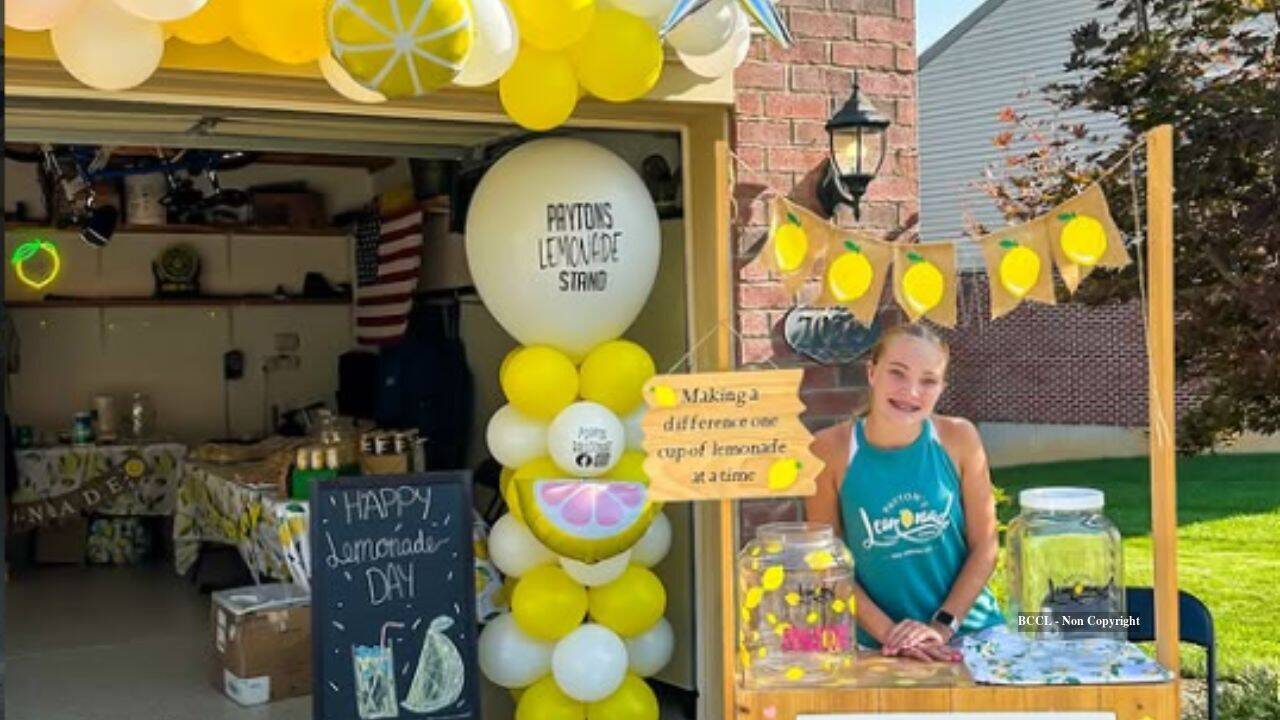
Every summer, well-meaning adults crowd suburban sidewalks to buy warm sugar water from children at folding tables. The media swoops in with breathless coverage. We read about an Ohio girl turning a seven-hundred-dollar lemonade stand into a multi-million-dollar philanthropic juggernaut for local hospitals. The
Stop Praising Child Labor Masquerading As Charity
business, news, lifestyle
We love a good toddler-bootstraps story. A kid sets up a wooden folding table, squeezes some yellow fruit into sugar water, and suddenly we are supposed to believe we are watching the birth of the next venture capitalist titan.
The media eats it up. Headlines scream about a seven-year-old turning a pocketful of change into a multi-million-dollar philanthropic empire for children's hospitals. Everyone smiles. Everyone claps. Everyone ignores the flashing neon sign telling us our institutional safety nets have completely collapsed.
I have spent decades watching corporations, healthcare conglomerates, and local governments outsource their fundamental duties to children selling lemonade on street corners. We call it heartwarming. I call it systemic failure dressed up in a cute yellow Dixie cup.
The Broken Math of Feel Good Philanthropy
Let us look at the actual mechanics of how these viral fundraisers operate. A child starts a stand. Local news stations show up because slow news days require human interest fluff. Sympathetic adults overpay for a paper cup of juice, dropping twenty, fifty, or a hundred-dollar bills into a plastic bucket.
The total snowballs. Soon, local businesses jump in for the PR exposure, matching funds or donating supplies. Before you know it, five million dollars has been wired to a major medical center.
Sounds like a triumph, right? Wrong.
Look closer at where that money goes. It does not fund systemic reform. It does not fix the administrative bloat or structural inequities driving up healthcare costs. It buys equipment, funds specialized wings, or subsidizes operational shortfalls that a functioning society should cover through taxation and proper budget allocation.
We are cheering because a pre-teen successfully crowdsourced funding for basic medical infrastructure. That is not charity. That is a distress signal.
Why We Worship the Amateur Hustle
Society has a dangerous obsession with the untrained amateur. We romanticize the underdog because it lets the heavy hitters off the hook.
When a multi-billion-dollar hospital system relies on a child's sidewalk enterprise to balance a capital expenditure budget, the adults in charge have failed. Yet, instead of demanding accountability from executives pulling seven-figure salaries, we put the kid on a morning talk show.
This creates a perverse incentive structure.
- The Hero Worship Trap: We reward the symptom while ignoring the disease.
- The Guilt Tax: Everyday citizens feel obligated to fund healthcare out of pocket because the public sector has abandoned the field.
- The Exploitation Aesthetic: Children become marketing props for institutions too timid or corrupt to tax wealth properly.
Imagine a scenario where corporate sponsors funneled that exact same marketing budget into lobbying for universal coverage or structural healthcare reform instead of writing check-off donations to a kid's lemonade stand. The entire charade collapses because the current model relies entirely on emotional manipulation rather than sustainable economics.
The Real Cost of Viral Generosity
I have sat in boardrooms where executives openly salivate over viral human-interest stories. They know that attaching their brand to a kid selling juice yields a higher return on investment than any traditional ad campaign. They get the halo effect of philanthropy without any of the structural changes required to fix the underlying crisis.
When you praise a child for working unpaid overtime to buy an MRI machine, you are endorsing child labor disguised as community spirit.
Real philanthropy is boring. It looks like policy changes, aggressive taxation of accumulated wealth, transparent institutional budgets, and accountable governance. It does not look like a girl with sticky fingers counting quarters in a driveway.
Stop buying the marketing. Stop applauding the failure of our public infrastructure just because it comes with a cute garnish of fresh mint.
If a child has to finance a hospital wing, the adults have already lost.