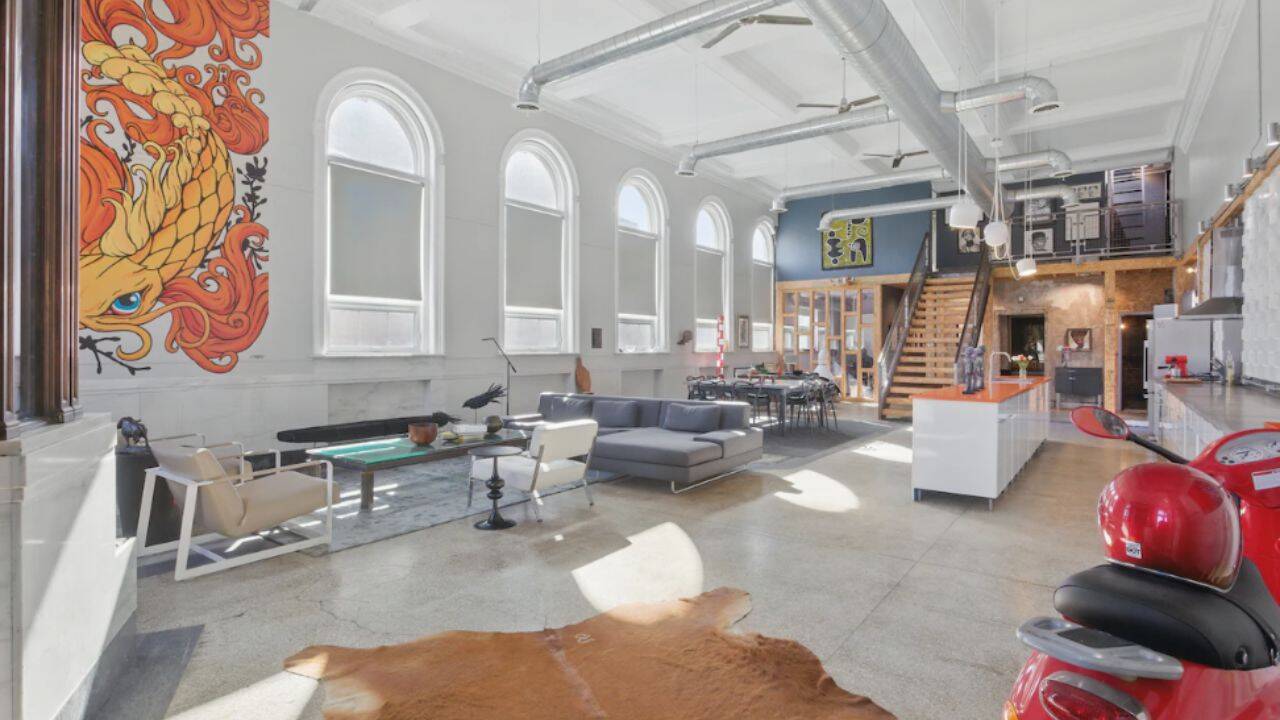
The Mechanics of Asset Stagnation
Homeownership often functions as a wealth-compounding vehicle, but under specific operational conditions, it transitions into an illiquid liability. The transition from an appreciating asset to a structural burden is rarely accidental. It follows a predictable economic trajectory driven by escalating maintenance costs, shifting financing environments, and declining utility per square foot. When a property is optimized strictly for visual marketability rather than operational efficiency, the owner absorbs a compounding cost penalty.
The primary driver of this decay is the divergence between nominal equity and functional liquidity. While public indices may track housing appreciation upward, real-world holding costs—comprising property taxes, specialized insurance premiums, structural upkeep ratios, and opportunity costs of trapped capital—frequently outpace wage growth and general inflation. Evaluating a property requires moving past the emotional valuation of interior design to analyze the total cost of ownership over a standard holding period.
The Three Cost Vectors of Aesthetic Real Estate
Managing a high-specification residence involves distinct financial exposures that standard budgeting models underestimate. These variables can be categorized into structural depreciation, specialized maintenance multipliers, and capital immobility.
- Structural Depreciation: Modern interior trends prioritize bespoke finishes, delicate materials, and custom installations. Unlike durable, utilitarian components, custom millwork, imported stone, and integrated smart-home ecosystems experience accelerated functional obsolescence. The replacement cycle for high-end aesthetic elements is significantly shorter than standard building envelopes.
- Specialized Maintenance Multipliers: Standard residential upkeep assumes modular, easily replaceable components. High-design assets require specialized labor. Sourcing niche contractors to service non-standard architectural features creates friction, extended downtime, and premium billing rates that scale non-linearly with property valuation.
- Capital Immobility: Funds locked within a primary residence cannot be redeployed into yield-generating instruments. As holding costs consume a greater percentage of monthly cash flow, the homeowner's overall balance sheet experiences reduced diversification, heightening vulnerability to localized economic shocks or interest rate fluctuations.
[Capital Allocation] ---> [Bespoke Asset Optimization] ---> [Liquidity Contraction]
                                                                     |
                                                                     v
[Maintenance Inflation] <-- [Specialized Contractor Dependency] <--+
The Liquidity Trap and Opportunity Cost
The friction of real estate transactions prevents rapid portfolio adjustment. Selling a residential property incurs significant friction costs, including agent commissions, transfer taxes, staging fees, and closing adjustments, typically totaling between eight and twelve percent of the transaction value. When an owner realizes the asset has become a financial drag, exiting the position requires absorbing these capital losses upfront.
Opportunity cost compounds this friction. Consider capital locked in a primary residence returning a nominal appreciation rate of three percent annually, weighed against diversified market instruments yielding higher historical averages. The delta between these figures represents the invisible tax of maintaining an oversized or overly stylized footprint. Furthermore, carrying costs do not scale downward when personal liquidity tightens. Property taxes and insurance premiums adjust upward regardless of the owner's immediate cash flow capacity, transforming the home into a fixed-cost accumulator.
Operational Remediation Strategies
Mitigating the burden of an over-optimized asset requires shifting from a passive ownership mindset to active portfolio management.
- Audit the Cost-to-Utility Ratio: Calculate the exact annual expenditure required to maintain the property divided by the square footage actively utilized. Properties with low utilization metrics and high maintenance overhead are prime candidates for downscaling or functional reconfiguration.
- Deferral of Non-Essential Capital Expenditures: Cease pouring capital into aesthetic upgrades that fail to yield a measurable return upon divestment. Redirect discretionary funds toward high-liquidity assets or debt reduction.
- Execute a Total Cost of Ownership Projection: Model cash flow trajectories across a five-year horizon, incorporating projected interest rate adjustments, insurance premium inflation, and anticipated major repairs such as roof replacements or HVAC overhauls.
If cash flow projections indicate persistent negative variance or if the cost of servicing the asset restricts overall financial mobility, initiate a phased liquidation plan. List the property prior to structural deterioration phases, absorb transaction friction as a clearing cost, and reallocate capital into liquid instruments that match current risk tolerances and yield requirements.