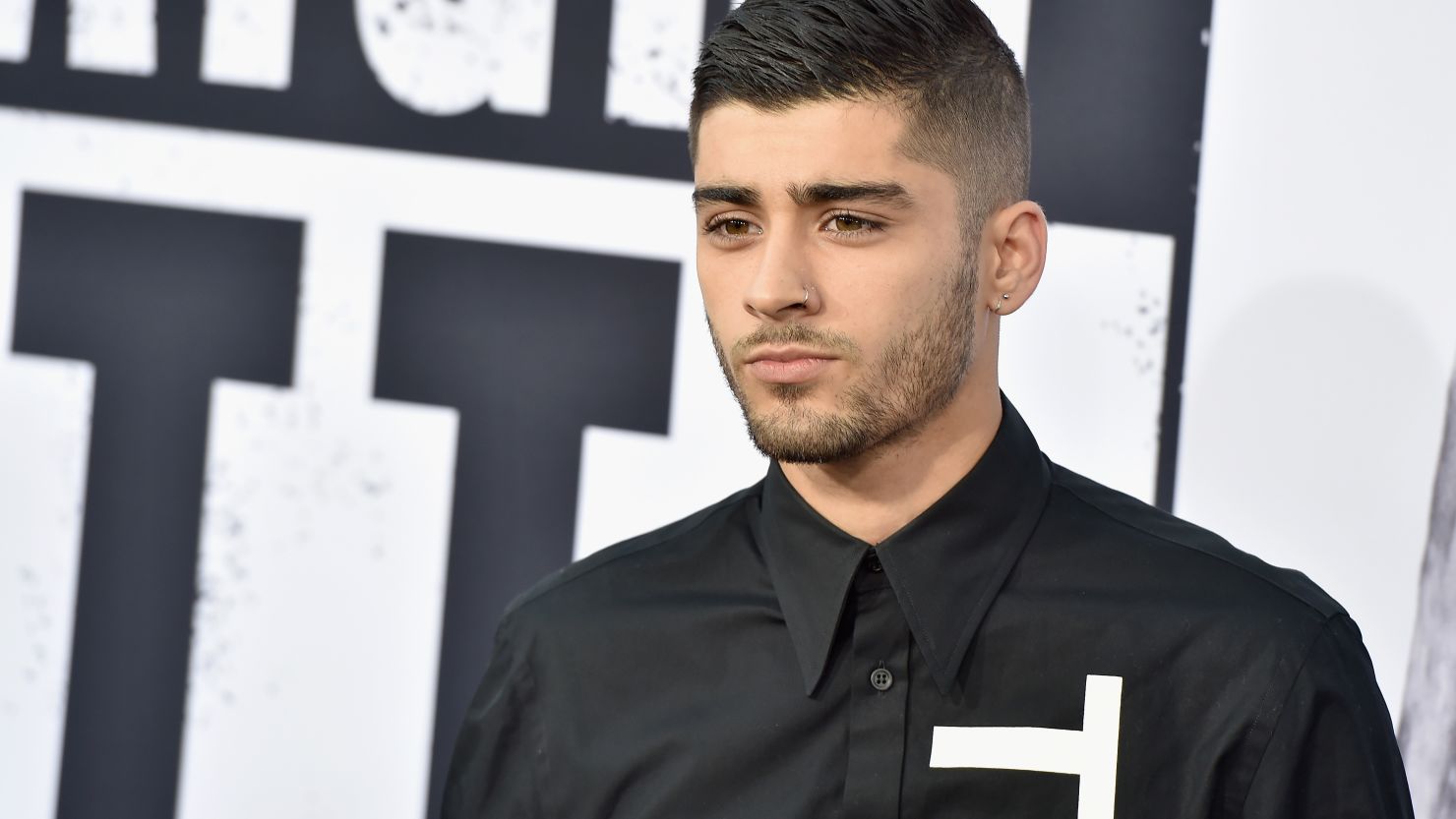
It’s easy to look back at the 2014 era of One Direction and see five guys on top of the world. They were selling out stadiums, breaking records, and living a life most teenagers would kill for. But for Zayn Malik, the reality was a lot darker. Behind the brooding "bad boy" image and the perfect high notes, there was a quiet, internal collapse happening.
Honestly, it wasn't until his 2016 autobiography, Zayn, that we got the full picture. The singer admitted that he struggled with a "quite serious" eating disorder during his final year with the band. It wasn't about wanting to look like a model or being obsessed with the scale. It was about something much deeper: control.
The Control Factor: Why it wasn't about weight
Most people hear "eating disorder" and think of body dysmorphia. With Zayn, it was different. He explained that in the middle of the 1D machine—where every minute of his day was scheduled, scripted, and managed by others—the only thing he actually owned was his appetite.
"I didn't feel like I had control over anything else in my life, but food was something I could control, so I did," Zayn wrote in his memoir.
Think about that. You're 21 years old. You're worth millions. But you can't even choose when to go for a walk or what to say in an interview without a PR person nodding. For Zayn, saying "no" to a meal was the only way to exert his own will. It’s a classic psychological response to extreme stress.
Sometimes he’d go for two or three days straight without eating a single thing.
The Physical Toll of the Road
By November 2014, right before he ultimately decided to leave the group, Zayn was noticeably thin. If you look at photos from the Four album promo or the final tour dates, the hollowed-out look in his eyes is hard to miss. He’s since said that looking back at those images makes him realize how ill he actually was.
It wasn't just the lack of food; it was the "mix of everything."
- The 100-mile-per-hour schedule.
- The constant travel across time zones.
- The heavy partying and drinking common for guys that age.
- The crippling performance anxiety.
He told the Associated Press that he often just "lost track" of eating because he was so busy. But the autobiography goes deeper, acknowledging that while it wasn't a formal medical diagnosis at the time, the behavior was definitely disordered.
A Hidden Struggle for Men
Zayn speaking out was actually a huge deal for the mental health community. Why? Because eating disorders are still overwhelmingly framed as a "women’s issue."
When a global heartthrob admits he was struggling to eat because of anxiety and a need for control, it breaks a massive stigma. It shows that men—even "successful" ones—aren't immune to the psychological pressures that lead to restrictive eating. He later told Billboard that he was surprised by the support he got, especially from guys who felt they couldn't talk about their own body image or eating habits.
The Turning Point: Leaving and Healing
Leaving One Direction in March 2015 wasn't just a career move. It was a survival tactic. Once he was out of that high-pressure environment, things started to shift.
He moved back to the UK for a while. He spent time with his mom. He let her cook for him. Sometimes, you just need that "TLC" to get your head back on straight. He’s mentioned that once he regained control over his own life and schedule, his relationship with food naturally fell back into place. He didn't need to "control" his meals anymore because he finally had a say in his career.
Anxiety and the Path Forward
Even though the eating habits improved, the underlying anxiety didn't just vanish. We saw this when he had to cancel major solo shows, like the Capital Summertime Ball in London and a massive gig in Dubai.
He’s been incredibly transparent about this. He describes his anxiety as a "thing that swells up and blocks out your rational thought processes." It’s a constant battle, but he’s chosen to be honest about it rather than putting out fake PR statements about "exhaustion" or "dehydration."
Actionable Insights: Lessons from Zayn’s Story
If you or someone you know is going through something similar, there are a few real takeaways from how Zayn handled his situation:
- Recognize the "Control" Trap: If you find yourself restricting food or over-exercising when life gets stressful, it might not be about your body. It might be a coping mechanism for feeling powerless elsewhere.
- Visual Check-ins: Like Zayn, sometimes we don't see how bad it is until we look back. If friends or family are expressing concern about your appearance or habits, try to listen without getting defensive.
- Environmental Changes Matter: You can’t heal in the same environment that made you sick. For Zayn, that meant leaving a multi-million dollar band. For you, it might mean setting boundaries at work or stepping away from toxic social circles.
- Seek Home Comforts: Never underestimate the power of returning to your roots. Whether it’s family, old friends, or just a place where you feel "normal," getting out of the spotlight (or the pressure cooker) is essential for recovery.
Zayn’s story isn't just about a pop star who got too skinny. It's a reminder that mental health is messy, and recovery isn't a straight line. By 2026, he’s become a much more private figure, focusing on his daughter and his music on his own terms. He’s essentially proved that you can step away from the "machine" and find a healthier version of yourself on the other side.
If you’re struggling with disordered eating, you don't have to wait for a "diagnosis" to ask for help. Organizations like Beat (UK) or NEDA (US) offer confidential support for anyone—regardless of gender—who feels like food has become a battleground.
Next Step for You: If you found Zayn’s openness helpful, I can pull together a list of resources and specialized support groups for men’s mental health and eating disorders to help you navigate these conversations.