Twenty-four hours. That’s roughly how long it took for the internet to lose its collective mind when a single photo of a bleached-blonde, leather-clad singer hit the web in early 2016. It wasn't just about a haircut. It was a declaration of independence. Zayn Malik 2016 wasn't just a year in a celebrity's life; it was a cultural pivot point that changed how we look at boy bands, mental health, and the price of global superstardom.
Everyone remembers the "Pillowtalk" video. The neon lights. The surrealist visuals. The Gigi Hadid cameo that basically confirmed the world's newest power couple. But underneath the glossy production of Mind of Mine, there was a lot of chaos. Leaving One Direction was a massive gamble. People forget how risky it was. Most "breakout" stars from boy bands fail. They fade into reality TV obscurity or become a trivia question. Zayn didn't.
The Sound of Silence (And Then a Scream)
When "Pillowtalk" debuted at number one on the Billboard Hot 100, it shattered the ceiling. He became the first British male artist to debut at number one with a first single. Think about that. Not Elton John. Not George Michael. Zayn.
The music was different. It was moody. It was R&B. It was "vibey" before that word became a TikTok cliché. Producers like James "Malay" Ho—who worked on Frank Ocean’s Channel Orange—helped craft a sound that felt late-night and honest. Songs like "It's You" weren't just pop tracks; they were raw, slow-burn ballads about the disintegration of his engagement to Perrie Edwards. You could hear the strain. You could hear the relief.
Honestly, the transition felt jarring to some fans. They were used to the "Best Song Ever" energy. Suddenly, they were getting tracks like "BeFour," which felt like a direct wink-and-nudge to his former bandmates. The lyrics hinted at a "silence" that had been weighing him down for years. It was less of a departure and more of an escape.
Dealing With the Anxiety Demon
This is where the story gets real. Most pop stars in 2016 were still playing the "everything is perfect" game. Zayn didn't. He started pulling out of shows. Capital FM’s Summertime Ball was the big one. He was supposed to perform for 80,000 people at Wembley Stadium. He couldn't do it.
He posted a heartbreakingly honest message on Instagram. He talked about the "worst anxiety" of his career. It was a huge moment. You have to understand that back then, male celebrities—especially heartthrobs—didn't really talk about panic attacks. They just "had exhaustion" or "creative differences." Zayn called it what it was.
Critics were harsh. Some called him unreliable. But for a whole generation of fans struggling with their own mental health, it was a lifeline. He wasn't a robot. He was a 23-year-old kid who was suddenly realizing that the machine he’d been part of since he was 17 was a lot to handle.
The Style Shift That Defined an Era
Let's talk about the MET Gala. 2016 was the year of "Manus x Machina: Fashion in an Age of Technology." Zayn showed up in a custom Versace suit with metallic, robotic arms. It was bold. It was weird. It was exactly what he needed to do to distance himself from the "boy next door" image.
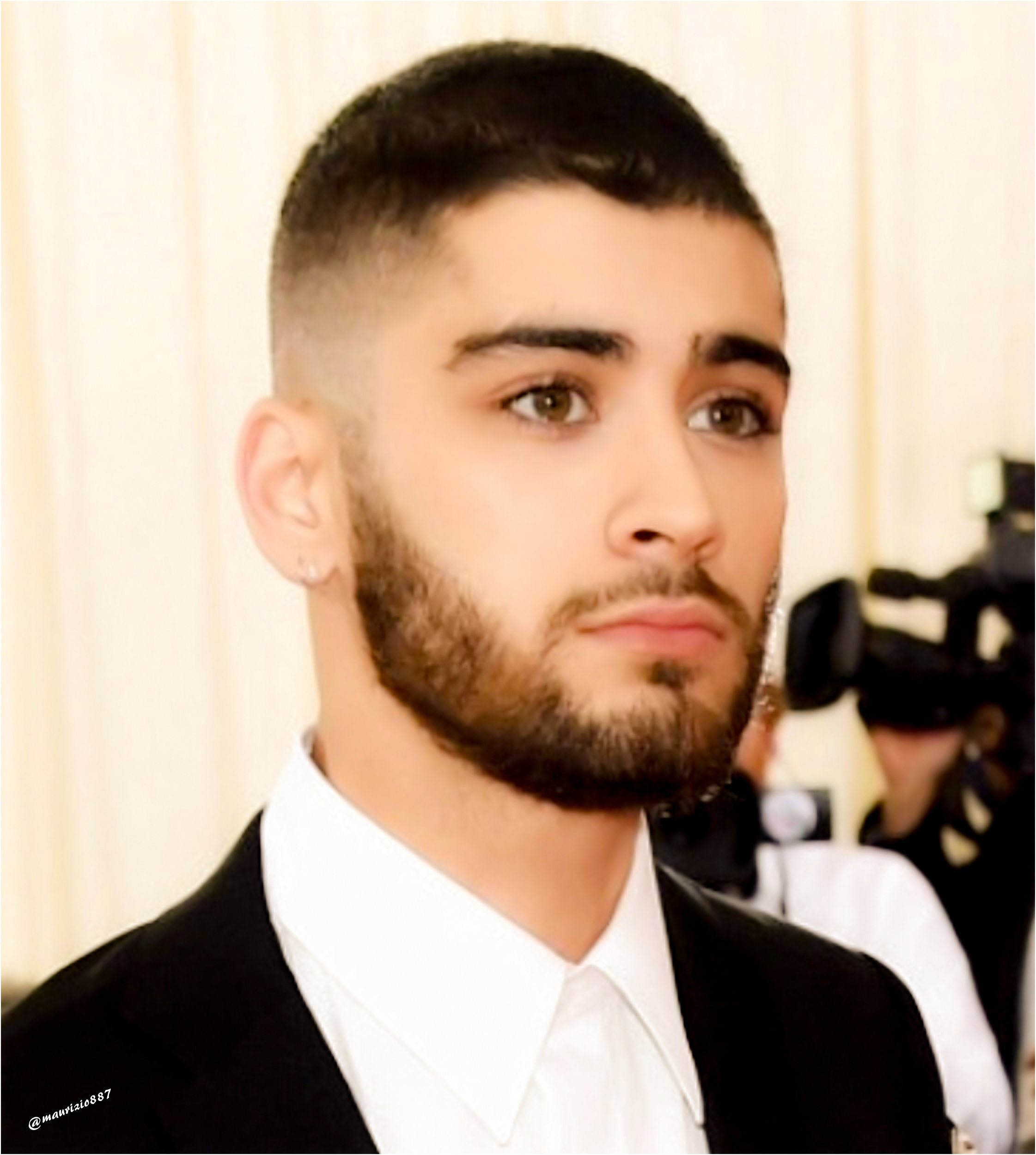
He started wearing a lot of Louis Vuitton, a lot of Saint Laurent. He grew out the beard. He experimented with hair colors—pink, silver, blonde. He wasn't just following trends; he was setting them. High fashion took notice. Giuseppe Zanotti even collaborated with him on a footwear line.
- He moved away from the skinny jeans and suspenders era.
- Workwear jackets and vintage band tees became his uniform.
- He embraced tattoos as a full-body art project rather than just "rebellious" ink.
- The aesthetic was gritty but expensive.
It's easy to look back and think it was all calculated. Maybe some of it was. But it felt more like someone finally getting to choose their own clothes for the first time in five years.
The Cultural Impact of "Mind of Mine"
When the album dropped on March 25, 2016—exactly one year to the day after he left One Direction—it felt like a poetic middle finger. The album cover was a photo of him as a child, but with his adult tattoos photoshopped onto his arms. It was a bridge between the kid from Bradford and the man he was trying to become.
The record wasn't perfect. Some critics felt it was a bit long, a bit self-indulgent. But tracks like "Rearview" and "Wrong" (featuring Kehlani) showed a depth that no one expected. He was singing about sex, religion, and identity in ways that were strictly forbidden in the 1D universe. He was also one of the few high-profile Muslims in Western pop music, and he started leaning into his heritage more, even singing a Qawwali-inspired track called "Flower" in Urdu.
That was huge. It wasn't "packaged" for a Western audience. It was just him.
What People Got Wrong About 2016
The biggest misconception about Zayn Malik 2016 is that he hated his past. If you actually read his autobiography (simply titled Zayn), which came out that November, he talks about being proud of the band. He just couldn't breathe in it. He described the "frenetic pace" as something that led to an eating disorder.
He wrote about how he would go days without eating anything at all. It wasn't about body image; it was about control. In a world where every minute of his day was scheduled by someone else, what he put in his body was the only thing he could govern. That's a heavy realization for a global icon to admit.
He spent a lot of the year in rural Pennsylvania. He bought a farm. He wanted to get away from the paparazzi in London and LA. He spent time with Gigi, he cooked, he drew, he wrote. It was a year of extreme highs—like the American Music Award for New Artist of the Year—and extreme lows spent in total isolation.
The Legacy of the "Z-Day"
By the time 2016 ended, the landscape of pop had shifted. Harry, Niall, Liam, and Louis were all prepping their own solo runs. But Zayn had been the guinea pig. He took the arrows so they could have a smoother path.
He proved that you could leave the biggest band in the world and still have a "Number One" career on your own terms. He also proved that you could be vulnerable about your struggles without losing your "cool."
If you're looking to understand why the solo-star transition is so common now, look at 2016. It's the blueprint. It showed the industry that fans didn't just want catchy choruses; they wanted the "real" version of the people they followed.
Actionable Takeaways from the Zayn Era
If you’re a creator or just someone trying to navigate a big life change, there are actual lessons to be pulled from this specific year in pop culture history.
- Prioritize the "Pivot": Zayn didn't wait for his fame to fade. He left at the peak. If you feel like you've outgrown your current environment, the best time to leave is when you're still "in demand," not when you're desperate.
- Honesty Over Hype: When he canceled shows due to anxiety, he was transparent. It built a deeper bond with his core audience. Don't hide your setbacks; they make you human.
- Control Your Narrative: Through his book and his specific choice of interviews (like the Fader cover story), he made sure he was the one explaining his choices, not the tabloids.
- Diversify Your Identity: He didn't just stick to music. He did fashion, art, and writing. It made him a "brand" rather than just a singer.
The year 2016 was a wild ride for anyone following the Zayn saga. It was messy. It was brilliant. It was loud. But most importantly, it was the first time we actually got to meet the person behind the "mysterious" persona. He wasn't just a boy band member anymore. He was Zayn. Just Zayn.
To really grasp the evolution, go back and listen to "Mind of Mine" from start to finish. Skip the singles. Listen to the deep cuts like "Blue" or "Tio." You'll hear the sound of someone finding their voice in real-time. It’s not always pretty, but it’s definitely authentic.
Next Steps for Deepening Your Knowledge
To fully appreciate the 2016 transition, you should compare the Mind of Mine production credits with his later work like Icarus Falls. Notice how his collaboration with Malay shifted his vocal delivery from the "power belting" of his 1D days to a more nuanced, falsetto-heavy R&B style. You can also research his 2016 Giuseppe Zanotti collaboration to see how his personal sketches influenced the final designs, showcasing his background in graphic art.