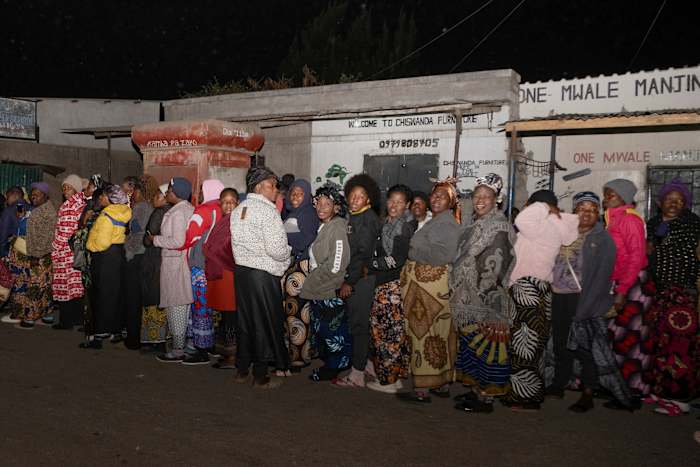
Voters across Zambia are heading to the polls right now in a high-stakes presidential election that is turning into a referendum on harsh economic medicine. If you've been watching African markets, you know the stakes couldn't be higher. Incumbent leaders don't usually survive tough restructuring programs. Yet, Zambia's political landscape is defying simple predictions.
Inflation is biting hard. The cost of living is through the roof. People are angry. But they are also deeply divided on whether going back to the old ways is safer than pushing through the pain of current reforms.
Let's look at what's actually happening on the ground.
The Heavy Cost Of Debt Restructuring
Zambia made history back in 2020 by becoming the pandemic-era default casualty on the continent. Billions in external debt crushed public finances. The path out required a brutal IMF bailout package and agonizing restructuring talks with international creditors, including China and Western bondholders.
That restructuring didn't happen in a vacuum. It meant slashing subsidies, freezing public sector hiring, and tightening the money supply. When a country restructures debt, ordinary citizens pay the price.
- Fuel prices spiked.
- The kwacha swung wildly against the dollar.
- Basic food items stretched household budgets to breaking point.
Voters aren't blind to this. They feel the pinch every time they go to the market. Critics of the administration argue that fiscal discipline has become an excuse for ignoring poverty. They claim the math looks great on spreadsheets in Washington, but the reality on the streets of Lusaka is grim.
I've talked to local traders who tell me their daily sales have halved. When your profit margins vanish, policy debates about debt sustainability sound like hollow noise.
Why The Incumbent Is Fighting For Survival
Incumbents running on reform platforms face a classic trap. If the reforms work, the benefits take years to materialize. If they cause pain, the backlash happens immediately.
The current administration staked its entire political identity on cleaning up corruption, stabilizing the macroeconomic framework, and winning back foreign investment. Mining houses have seen some regulatory relief, and copper production targets are back in focus. But mining jobs don't instantly translate into retail spending power for a youth population desperate for work.
Opposition figures smell blood in the water. They are campaigning hard on populist promises of relief, lower taxes, and immediate interventions to bring down consumer goods prices. It's a seductive pitch when your rent is due and you can't afford electricity.
Yet, seasoned analysts point out a harsh truth. Abandoning the current fiscal path risks throwing Zambia right back into default chaos. Creditors wouldn't be forgiving a second time around. The margin for error is razor thin.
What Global Markets Are Watching
This election is a bellwether for the rest of developing economies staggering under massive sovereign debt loads. Sri Lanka watched its government fall during similar turmoil. Ghana and other African nations facing restructuring are taking notes.
If a government successfully pushes through painful structural reforms and survives a democratic vote, it sends a powerful signal to global capital markets. It proves that democracies can stomach long-term economic fixes without descending into total populist chaos.
Conversely, if the electorate punishes the reformers, future leaders will think twice about cooperating with international lenders. They will choose short-term printing over long-term stability every single time.
That is why international observers aren't just looking at the vote count. They are analyzing voter demographics, regional turnout splits, and the specific grievances driving youth behavior. Young Zambians make up the vast majority of the electorate. They didn't cause the debt crisis, but they are expected to live with its consequences for decades.
Beyond The Ballot Box
Elections end. The economic gravity remains.
Whoever wins this election inherits a depleted treasury, impatient creditors, and a populace that expects miracles overnight. Copper prices will continue to dictate national fortunes regardless of who sits in state house. Structural diversification away from mining remains an elusive dream that every campaign promises and none fully deliver.
Keep your eyes on the post-election transition. The real test isn't winning the vote. It's managing the expectations of a population that has sacrificed too much for too long, with very little to show for it yet.
Watch the kwacha's reaction in the days following the results. Monitor how quickly the new administration signals its commitment to ongoing creditor agreements. That will tell you everything you need to know about where the country goes next.