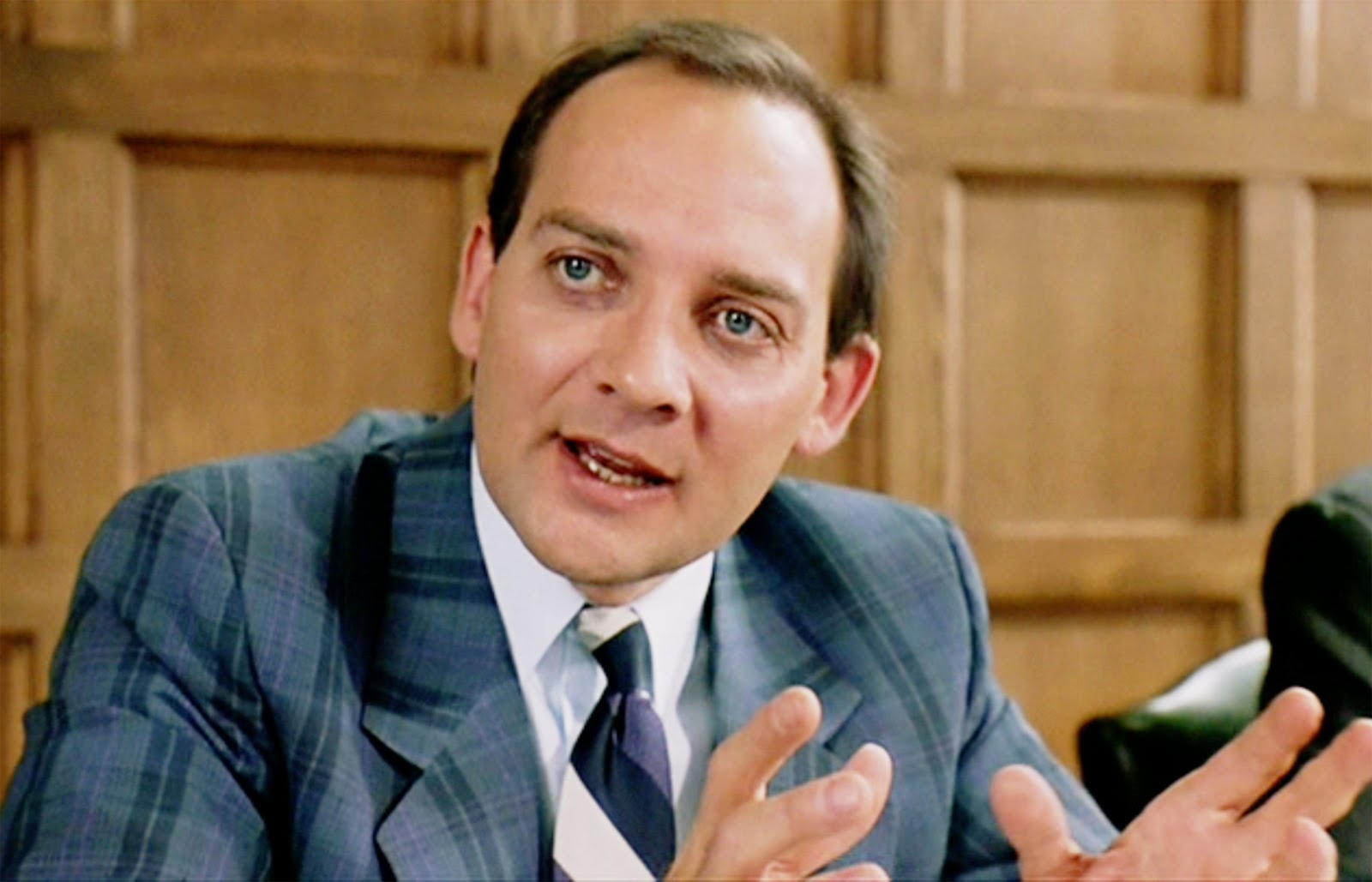
You know that guy. The one with the sharp, intellectual gaze and the voice that sounds like gravel mixed with silk. You’ve seen him in a thousand things, usually playing a lawyer who’s about to ruin someone’s life or a government official with a dark secret. That’s Zach Grenier.
Honestly, calling him a "character actor" feels like a bit of an undersell. He’s more like a structural necessity for prestige television. If a show needs a shot of gravitas or a villain you secretly want to grab a drink with, they call Grenier. He doesn't just show up; he anchors the frame. Meanwhile, you can read similar stories here: The Brutal Truth Behind the Summer Box Office Mirage.
The Good Wife and the Legend of David Lee
If we’re talking about Zach Grenier TV shows, we have to start with the crown jewel: The Good Wife. His portrayal of David Lee is, frankly, a masterclass in being a "lovable jerk." David Lee wasn't just a divorce attorney; he was a shark in a high-end suit who viewed human emotions as inconvenient obstacles to a billable hour.
What made that character work wasn't just the snark. It was the way Grenier played the silence. He could destroy a witness or a colleague with a single, perfectly timed eye-roll. Fans of the show—and its spin-off The Good Fight—grew to love David Lee precisely because he never pretended to be a good person. He liked money. He liked winning. And somehow, Grenier made that refreshingly honest. To see the full picture, check out the recent article by E! News.
There’s a famous moment where he’s asked to do a favor and responds with, "As soon as monkeys fly out of my ass." It’s a ridiculous line, but Grenier delivers it with such deadpan authority that you actually believe he’s offended by the mere suggestion of altruism. That’s the magic. He makes the cynicism feel like a superpower.
From 24 to Deadwood: The Range Nobody Talks About
Before he was the king of the divorce courts, Grenier was putting in work on some of the most influential shows of the early 2000s. Take 24, for instance. In the first season, he played Carl Webb, a shadowy operative involved with the Gaines family. He wasn't the "big bad," but he felt dangerous because he was so calm.
Then you have Deadwood.
His role as Andy Cramed—the gambler who brings the plague to town—is about as far from a polished Chicago law firm as you can get. He’s sweaty, he’s dying, and he’s eventually seeking redemption. It’s a visceral, physical performance. Most actors find a "lane" and stick to it. Grenier seems to prefer jumping between lanes without using a blinker. He goes from a high-tech thriller to a Shakespearean western without breaking a sweat.
A Quick Look at the Deep Cuts
- Touching Evil: He played Hank Enright, a role that showed he could lead a procedural team with the best of them.
- BrainDead: This was a weird one. Alien bugs eating senators' brains. Grenier played Dean Healy, and he leaned into the absurdity with total commitment.
- Devs: Recently, he showed up in Alex Garland's sci-fi miniseries as Kenton, a head of security who was terrifyingly efficient.
Why Producers Keep Calling Him
It’s about reliability. In an industry where everyone wants to be the lead, Grenier has mastered the art of the "scene-stealer." He understands that his job isn't to be the hero; it's to make the world of the show feel real. When he’s on screen, the stakes feel higher.
You’ve probably noticed he pops up in Law & Order a lot. Seven different characters over the years. That’s a badge of honor for any New York actor. It means the casting directors know he can handle a complex monologue with five minutes of rehearsal.
There is also a specific intelligence he brings to his roles. Whether he’s playing an Internal Affairs officer in Miami Vice (way back in the 80s!) or a mayor in Chicago P.D., he always looks like he’s the smartest person in the room. He doesn't play "dumb" well, because his eyes are too sharp for that.
The Theater Connection
A lot of the weight he carries on screen comes from his stage background. He’s a Tony nominee for 33 Variations, where he played Beethoven. Think about that for a second. The guy who plays the snarky divorce lawyer on CBS also played one of the greatest musical geniuses in history on Broadway.
That theatrical discipline is why he’s so good at "disappearing" into a role. He’s not interested in being a celebrity. He’s interested in the craft. In interviews, he’s mentioned that he moved back to New York from L.A. specifically because he missed the theater. That grit and work ethic translates directly to his TV work. He treats a guest spot on The Blacklist with the same intensity he’d give a Mamet play.
The Secret to His Longevity
Basically, Zach Grenier is the actor’s actor. He’s been working steadily since the mid-80s because he fills a specific niche: the "Intimidating Intellectual."
But if you look closer, there’s usually a flicker of humanity under the surface. Even David Lee had a soft spot for his niece. Even the villains he plays seem to have a logic they follow. He doesn't play "evil" for the sake of it; he plays people who believe they are doing what’s necessary.
If you’re looking to binge-watch some of his best work, start with The Good Wife for the sheer volume of his performance, then jump to Devs to see how he handles modern, high-concept drama. You’ll start to see the patterns—the way he uses his posture, the slight tilt of his head, and that unmistakable voice.
How to Appreciate a Grenier Performance
- Watch the eyes. He does more with a squint than most actors do with a page of dialogue.
- Listen to the pauses. He’s a master of the beat. He knows exactly when to let a line breathe.
- Notice the suits. The man wears a costume like it’s his own skin, especially when he’s playing someone in power.
He’s still going strong, too. Whether it’s a guest turn on FBI: Most Wanted or a recurring role in a prestige streaming series, he remains one of the few actors who makes you say, "Oh, it’s that guy! This is gonna be good."
Next time you’re scrolling through a streaming service, keep an eye out for his name in the credits. Chances are, if he’s in it, the show has a level of quality you can trust. He’s the ultimate insurance policy for a television script.
Your next move: If you haven't seen his work in The Good Fight, go watch the later seasons where he becomes a series regular. It's some of the funniest, sharpest work of his career. It’ll give you a whole new appreciation for how he can play the long game with a character over the course of a decade.



