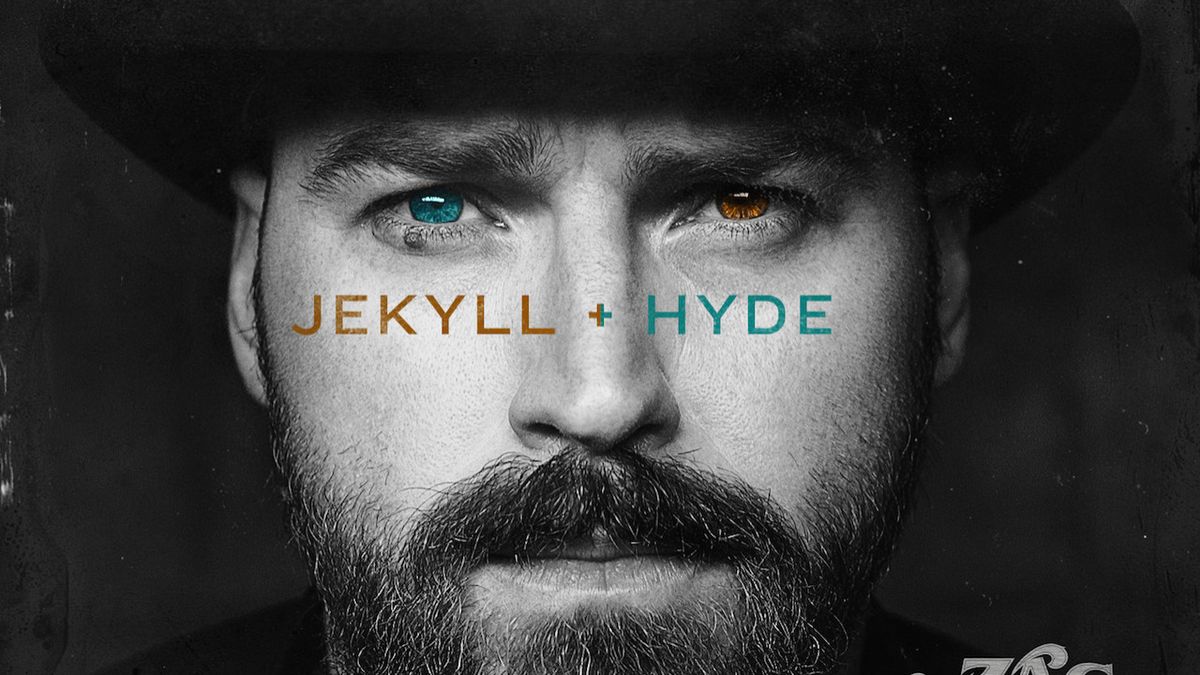
Music fans usually want one of two things: more of what they already love, or something so fresh it knocks their socks off. When the Zac Brown Jekyll and Hyde CD hit shelves on April 28, 2015, it basically tried to do both at the exact same time. It was a chaotic, brilliant, and sometimes confusing gamble. Some people called it a masterpiece of musical range; others felt like they’d been bait-and-switched. Honestly, if you bought it expecting nothing but "Chicken Fried" 2.0, you were in for a massive shock.
Zac Brown Band wasn't some indie startup. They were a three-time Grammy-winning juggernaut. They had already conquered the country world with The Foundation and You Get What You Give. But by 2015, Zac Brown was restless. He didn't just want to be the guy with the beanie singing about toes in the water. He wanted to be a musician with a capital M.
The Identity Crisis That Topped the Charts
The title isn't just a clever literary reference. It’s a warning. The "Jekyll" side of the record is the stuff that kept them on country radio. "Homegrown" is a classic mid-tempo anthem about the simple life. It’s comfortable. It’s warm. It’s what everyone expected. But the "Hyde" side? That’s where things got weird.
Take "Beautiful Drug," the album's opening track. It starts with these airy, electronic pulses that feel more like a Vegas nightclub than a Georgia peach orchard. It was a jarring choice for a lead-off track. I remember critics at the time, specifically over at Saving Country Music, being absolutely baffled. They called it a "fireable offense" to start a country album that way. But the fans? They bought it anyway. The album debuted at #1 on the Billboard 200, moving about 228,000 units in its first week.
People often forget how big of a deal that was. Topping the charts in 2015 meant you were competing with peak Taylor Swift and the Furious 7 soundtrack. Zac and his crew didn't just win; they dominated.
Why the Genre-Hopping Actually Worked
You've got to respect the sheer audacity of the tracklist. Most bands stick to their lane because they’re scared of losing their base. Zac Brown Band basically set the lane on fire.
- Heavy Is the Head: They brought in the late, great Chris Cornell. This wasn't some "country-rock" hybrid. It was a straight-up, grunge-infused hard rock track. It hit #1 on the Mainstream Rock chart, making them one of the very few acts to ever top both country and rock charts simultaneously.
- Mango Tree: Just a few tracks later, you get a 1940s-style swing number featuring Sara Bareilles. It sounds like something from a Frank Sinatra Christmas special.
- Junkyard: This is a seven-minute progressive rock odyssey. It even samples "Is There Anybody Out There?" by Pink Floyd. It’s dark, it’s heavy, and it deals with some really intense themes of abuse and survival.
It’s easy to see why some fans felt a bit of whiplash. One minute you're drinking a beer on a porch ("Castaway"), and the next you're in the middle of a psychedelic rock trip. It’s a lot to process in one sitting.
The Real Heart of the Jekyll and Hyde CD
If you strip away the EDM beats and the big-band horns, you find that the songwriting is actually some of the band's strongest. "Dress Blues," a cover of a Jason Isbell song, is a gut-wrenching tribute to a fallen soldier. It’s probably the most "country" thing on the disc in terms of soul, even if the arrangement is lush and orchestral.
Then there’s "Remedy." It’s got this gospel choir and a message that’s basically "love everyone." It’s simple, sure, but in a world that felt increasingly divided even back in 2015, it resonated. The band has always had this "jam band" spirit—think Dave Matthews Band but with more fiddle—and this album was the ultimate expression of that.
Critical Reception vs. Longevity
The critics were... split. Metacritic gave it a 55/100, which is basically the musical equivalent of a shrug. Rolling Stone was more kind, calling it "bold and adventurous." The truth is usually somewhere in the middle.
Is it a perfect album? No. It’s too long. It’s inconsistent. It feels like a playlist on shuffle rather than a cohesive story. But it’s also never boring. In a genre that often gets criticized for being "cookie-cutter," the Zac Brown Jekyll and Hyde CD was a middle finger to the status quo. It proved that a country band could play anything they wanted and still sell a million copies (which it eventually did, earning a RIAA Platinum certification).
Making Sense of the Chaos
If you’re revisiting this album or picking up the CD for the first time, don’t try to find a through-line. There isn’t one. Treat it like a tasting menu at a weird fusion restaurant. You might hate the electronic sushi, but you’ll probably love the bourbon-glazed steak.
The legacy of this record is that it gave the band permission to be whatever they wanted to be. Without the risks taken here, we might not have seen their later experiments or their return to form on albums like The Comeback. It was a necessary growing pain.
To get the most out of the experience, listen to the acoustic version of "Tomorrow Never Comes" at the end of the disc. It’s a reminder that underneath all the production bells and whistles, these guys are still world-class musicians who can kill it with just a guitar and a microphone.
What to Do Next
If you still have the physical CD, pop it into a good car stereo and drive. Don't skip the "weird" tracks. Give "Junkyard" a full, uninterrupted listen with the volume turned up—the transition from the acoustic intro to the heavy rock finish is one of the most underrated moments in 2010s music. For a deeper look at how they've evolved since this era, compare the production on "Beautiful Drug" to the more organic sounds on their 2021 release, The Comeback. It puts the "Hyde" era into a much clearer perspective. Moving forward, look for the 10th-anniversary vinyl editions that occasionally pop up in collector circles; they often include better liner notes that explain the "In the Arena" production philosophy used during these sessions.