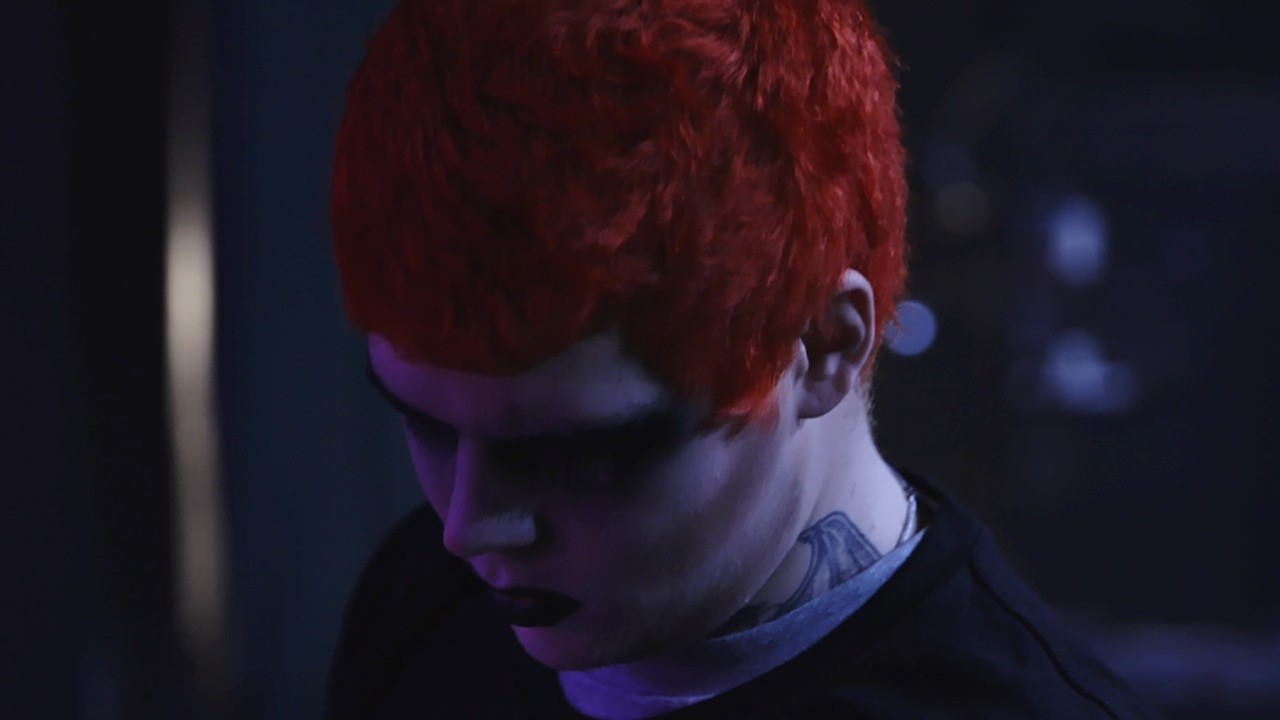
Ever looked at a photo of a sixteen-year-old in a bucket hat holding a can of Arizona Iced Tea and wondered how that kid ended up in a psychiatric ward in Miami just a few years later? If you were on the internet in 2013, you remember the "Ginseng Strip 2002" explosion. It felt like a joke to some, a revolution to others. But the narrative around Yung Lean: In My Head—the 2020 documentary directed by Henrik Burman—isn't just a trip down memory lane for Sad Boys fans. It is a heavy, sometimes terrifying look at what happens when a teenager becomes a global meme and a legitimate rockstar before he’s old enough to buy a beer.
Jonatan Leandoer Håstad wasn't just "in his head." He was trapped there.
Why Yung Lean: In My Head is more than a music doc
Most music documentaries follow a boring template. You get the "struggling artist" phase, the "big break," the "excess," and then the "redemption." Yung Lean: In My Head hits those beats, sure. But it feels different because the archival footage is so visceral. It's not just professional camera crews; it’s shaky phone videos from the back of tour vans. You see a group of Swedish teenagers who are basically LARPing as American rappers, only to find out that the "lifestyle" they were imitating has very real, very dark consequences.
The film serves as a bridge between two versions of Jonatan. There is the "Yung Lean" who rapped about Mario Kart and Oreos, and the "Jonatan Leandoer96" who writes haunting, acoustic-adjacent folk music. Honestly, the documentary acts as a funeral for the "Sad Boy" persona while simultaneously humanizing the person behind it.
The Miami Incident: The turning point
If you want to understand why Yung Lean: In My Head is so pivotal, you have to look at 2015. Lean was in Miami working on his second album, Warlord. He was heavily into drugs—Xanax, lean, cocaine—and his mental health was deteriorating. He started to believe he was a literal god, or at least someone who could control the weather.
The documentary doesn't shy away from the tragedy. This wasn't just a "wild party" gone wrong. It was a full-blown psychotic break. His manager at the time, Barron Machat, died in a car accident while Lean was hospitalized in a psychiatric ward. The film captures the haunting guilt Lean felt. It shows the rift between Lean’s Swedish team and Steven Machat (Barron's father), who blamed the crew for his son's death. It’s raw. It's uncomfortable. It's exactly why the film works.
Key figures in the narrative
- Yung Sherman & Gud: The producers who defined the "cloud rap" sound.
- Barron Machat: The founder of Hippos in Tanks whose death haunts the middle of the film.
- Bladee: Lean’s close collaborator and friend who witnessed much of the chaos.
- Henrik Burman: The director who managed to get Lean to open up about things he’d spent years avoiding.
Myths vs. Reality: What the film gets right
There's a common misconception that Yung Lean was just a "trust fund kid" playing at being a rapper. The documentary shows his childhood in Minsk and his upbringing in Stockholm, painting a picture of a kid who was genuinely obsessed with hip-hop culture from an outsider's perspective. He wasn't trying to be fake; he was creating a world that felt better than the one he lived in.
Another thing? People think he just "got better" and went back to normal. The reality shown in Yung Lean: In My Head is that recovery is a slow, boring process. The scenes of him back in the Swedish countryside, painting and walking through the woods, are a stark contrast to the neon-lit madness of Miami. It highlights the importance of grounding oneself when the internet is trying to pull you in a thousand directions.
The film also clarifies the timeline of Starz and Stranger. These albums weren't just musical evolutions. They were survival tactics. You can hear the mental shift in the lyrics. The dreamy, detached production of Stranger reflects a man trying to find his footing after the world stopped spinning.
Actionable insights for fans and creators
If you’re a fan or someone trying to make it in a creative field today, there are some heavy lessons to take away from Lean's journey.
- Prioritize the person, not the persona. Lean’s biggest mistake was letting the "Yung Lean" character swallow Jonatan. If you’re a creator, make sure you have a life that exists outside of your "brand."
- Mental health isn't an aesthetic. While the "Sad Boy" movement started a conversation about being open with emotions, the film proves that real depression and psychosis aren't "cool" or "edgy." They are devastating.
- Community matters. The only reason Lean survived his breakdown was the support of his family and his true friends like Bladee and his Swedish managers. The people who were there before the fame are the only ones who can help you after it.
Watching Yung Lean: In My Head is mandatory for anyone who grew up on the internet. It's a cautionary tale, but it’s also a story of resilience. By 2026, Lean has moved even further into his experimental sounds, but he wouldn't be here without that period of total collapse.
To dive deeper into his current work, listen to his 2026 album Jonatan or the track "Horses." You'll hear a man who is finally comfortable being himself, rather than the internet's version of him. The documentary was the first step in that liberation.
Next Steps for the Sad Boys Enthusiast:
- Watch the full documentary on platforms like YouTube (The Short List) or various streaming services to see the archival Miami footage yourself.
- Listen to the album Warlord immediately followed by Stranger to hear the sonic representation of his mental breakdown and recovery.
- Follow the current releases under the name Jonatan Leandoer96 to understand his most authentic, non-rap creative outlet.



