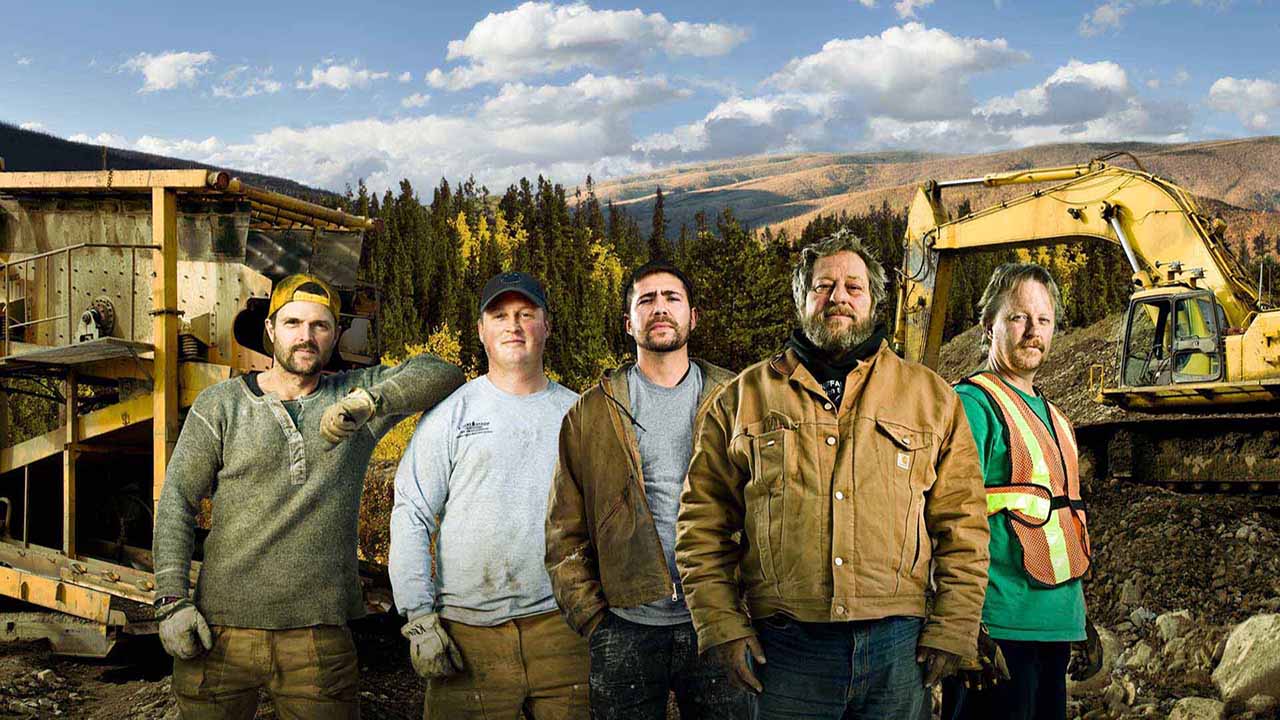
Mining is miserable. Honestly, if you watch Yukon Gold, you might think it’s all about the big "cleanup" at the end of the week where guys run their fingers through piles of shimmering dust. It isn't. Not really. Most of the time, it's just broken steel, frozen mud, and the crushing weight of bank debt.
The show, which aired on History Channel Canada and National Geographic, captured a specific moment in the mid-2010s gold rush. People often confuse it with Gold Rush, the Discovery Channel juggernaut. They shouldn't. While the American counterpart leans heavily into the "produced" drama of interpersonal shouting matches, Yukon Gold felt a bit more grounded in the actual dirt of the Klondike. It followed several crews—Ken Foy, Guillaume Brodeur, Al McGregor, and Bernie Kreft, among others—as they gambled their life savings on the hope that a prehistoric riverbed might have missed a spot.
The Brutal Reality of the Yukon Gold TV Series
You’ve got four months. That’s the window. In the Yukon, the ground is literally frozen solid—permafrost—and you have to wait for the sun to do its job, or use heavy machinery to rip through it. If you aren't sluicing by June, you're basically hemorrhaging cash.
One thing the Yukon Gold tv series got right was the mechanical despair. When a trammel breaks, you don't just call a guy. You are the guy. Seeing Ken and Guillaume struggle with ancient equipment in the Moose Creek area wasn't just "good TV." It was a reflection of the barrier to entry in this industry. Most people think you just need a shovel and a dream. You actually need about $500,000 in heavy equipment and the mechanical soul of a MacGyver just to survive the first month.
Bernie Kreft always represented the "old school" vibe of the show. He wasn't there for the cameras; he was there because he’s a prospector to his core. His sons being involved added a layer of "will they actually take over the family business or just leave for a desk job?" tension that felt incredibly authentic. It wasn't scripted. It was just the reality of a dying breed of independent miners being squeezed by rising fuel costs and environmental regulations.
Why the "Gold Counts" Are Often Misleading
Let’s talk numbers because that’s why everyone watches. You see a crew pull in 80 ounces. At current prices, that sounds like a fortune.
It’s not.
By the time you subtract the "burn"—fuel for the dozers, royalties to the land owner, wages for the deckhands, and the massive cost of parts—that 80 ounces might just barely cover the week's expenses. There were seasons where crews on Yukon Gold ended up in the red. Deep in it. This isn't a get-rich-quick scheme. It’s a high-stakes gambling addiction disguised as a job.
Big Al McGregor was the fan favorite for a reason. He operated on a massive scale. When you're moving that much earth, the stakes are terrifying. If Big Al’s 700-series excavator goes down, the whole operation halts. The show did a decent job showing the "wash plant" setup, but it often glossed over the permits. You can't just dig a hole. The Yukon Water Board is incredibly strict. You have to reclaim the land. You have to manage your tailings. If you mess up the water table, the government shuts you down faster than a broken belt on a sluice box.
The Guillaume and Ken Dynamic
People loved Ken and Guillaume because they were the underdogs. They were working "Badlands" and other spots that larger operations wouldn't touch. Their chemistry was real. It wasn't that fake, forced reality TV friendship where people argue over a sandwich. They argued over "pay dirt."
Pay dirt is the layer of gravel that actually contains the gold. Above it is "overburden"—meters and meters of useless muck that you have to move for free. Ken Foy often looked like a man who hadn't slept since 1994. That’s the look of a Yukon miner. The series ended after five seasons, leaving a bit of a void for those who preferred the Canadian grit over the flashier American productions.
What Happened After the Cameras Stopped?
A lot of fans wonder if these guys are still out there.
- Ken and Guillaume: They went their separate ways professionally but stayed legends in the mining community. Ken has stayed relatively low-profile, while Guillaume continues to be a mechanical wizard in the industry.
- The McGregor Operation: Big Al faced significant health hurdles after the show, which really put the "grind" into perspective. Mining takes a physical toll that no amount of gold can fix.
- Bernie Kreft: He’s still prospecting. It’s in his blood. You don't do what Bernie does for fame. You do it because you can't imagine doing anything else.
The Technical Side: Sluicing 101
To understand the Yukon Gold tv series, you have to understand the physics of gold. Gold is heavy. Way heavier than the rocks around it. A sluice box uses water to wash away the light stuff while the gold sinks into "rifles" or mats at the bottom.
If the water pressure is too high, you blow the gold out the back. If it’s too low, the box "sands up" and everything gets stuck. It’s a delicate balance. Watching the guys tweak their water pumps for three hours might seem boring, but that’s the difference between a $10,000 day and a $0 day.
The Environmental Elephant in the Room
There is a lot of criticism regarding placer mining. You’re essentially turning a valley inside out. However, the Yukon has some of the most stringent reclamation laws in the world. Miners have to put the dirt back. They have to re-contour the land so the forest can grow back.
The show didn't always focus on the "green" side, but if you talk to any of the cast members, they’ll tell you: they love the land. They live out there. They hunt there. They don't want to destroy it; they want to harvest from it and then heal it. It’s a complex relationship that city-dwellers often misunderstand.
Why We Still Care About the Klondike
There is a romanticism to the Yukon that refuses to die. It’s the ghost of the 1898 Gold Rush. When you watch the Yukon Gold tv series, you’re seeing modern technology applied to an ancient dream.
It’s about freedom.
There’s no boss in a cubicle. There’s just the dirt, the weather, and your own ability to keep a 40-year-old engine running. That’s the draw. That’s why we watch men and women suffer in the mud for five seasons.
Actionable Steps for Aspiring Prospectors
If the show inspired you to go find your own fortune, don't just buy a shovel and head north. Start by researching the Yukon Mining Recorder's office. Understand the difference between a "claim" and "prospecting." Most of the good ground is already staked.
You can actually visit the Yukon and do "recreational" mining in designated areas like Freegold Road or the Mayo district. It’s a great way to realize how hard the work actually is without losing your house in the process. Look into the Yukon Geological Survey for public data on where gold has been found historically.
Lastly, if you're looking to watch the series now, it's often available on streaming platforms like Amazon Prime or through the History Channel’s app, depending on your region. It remains one of the most honest depictions of what it takes to find a glimmer of yellow in a world of grey mud.



