If you walk into a traditional Sichuan restaurant and order yu xiang qie zi, don't be surprised when you find zero seafood on your plate. It's one of those culinary quirks that confuses first-timers. The name literally translates to "fish-fragrant eggplant," yet it’s a vegetarian staple (well, usually).
So, why the fishy name?
Honestly, the "fish-fragrant" part refers to a specific flavor profile—the holy trinity of garlic, ginger, and scallions—traditionally used in Sichuanese fish preparation. Legend has it a housewife once used her leftover fish seasonings to flavor a simple eggplant stir-fry, and the result was so good it became a regional sensation. It’s a masterclass in balance. You get the salty kick from soy, the sharp tang of Chinkiang black vinegar, a hit of sweetness from sugar, and that signature slow burn from fermented chili bean paste (doubanjiang).
The Science of the Perfect Eggplant Texture
Eggplants areBasically sponges. If you’ve ever tried to fry them at home only to end up with a soggy, oil-slicked mess, you’re not alone. The secret that experts like Fuchsia Dunlop and J. Kenji López-Alt swear by isn't just the heat; it's the prep.
Most home cooks skip the salt bath. Big mistake.
Soaking your eggplant slices in salted water for about 15 minutes does two things. First, it breaks down the cellular structure so the vegetable doesn't drink up a whole cup of oil. Second, it keeps the flesh from oxidizing and turning that unappealing grey color. You want a vibrant, glossy purple skin and a creamy, melt-in-your-mouth interior. In high-end Chinese kitchens, they often "flash fry" or guo you (pass through oil) at very high temperatures. This sears the outside instantly. For those of us at home without a jet-engine burner, a light dusting of cornstarch before pan-frying provides a similar protective barrier, giving you those crispy edges that hold onto the sauce.
What Everyone Gets Wrong About the Sauce
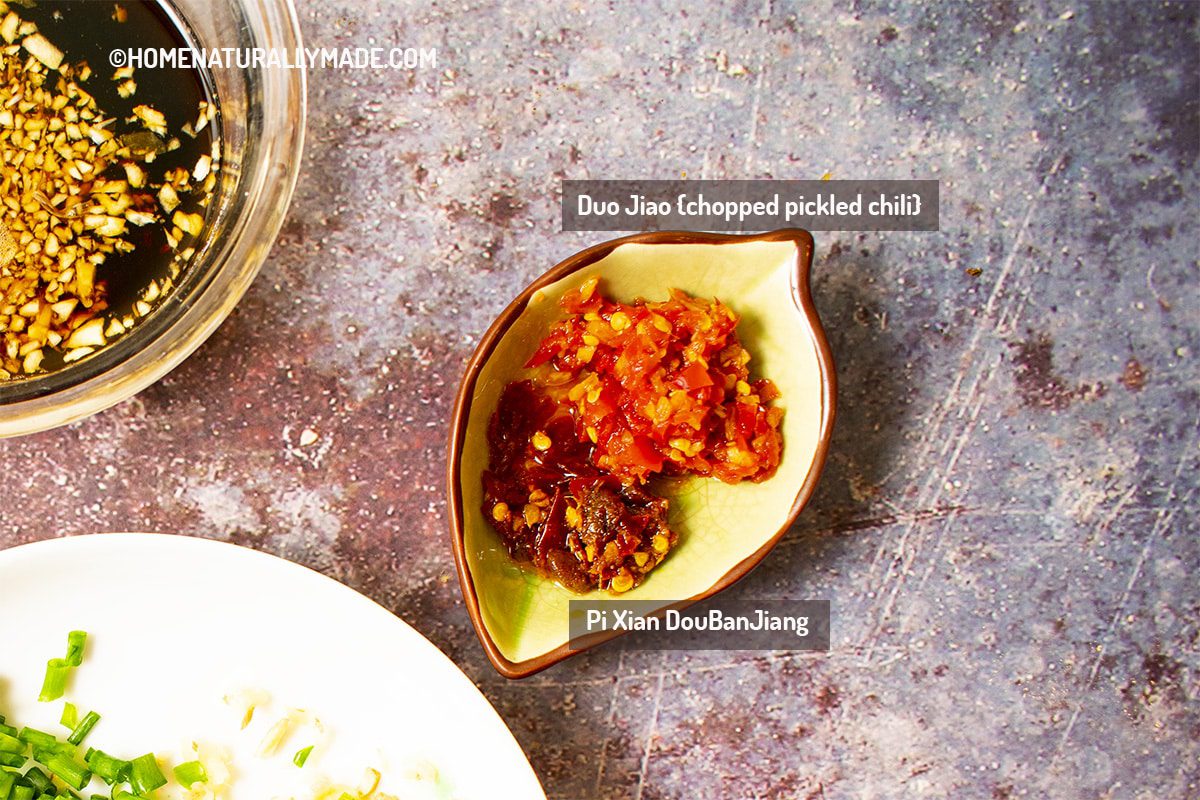
If you’re just using standard grocery store chili flakes, you’re missing the point. The soul of yu xiang qie zi is Pixian Doubanjiang.
This isn't just any bean paste. It's a fermented mix of broad beans and Erjingtiao chilies, often aged for years. It has a deep, funky umami that you simply can't replicate with sriracha or basic chili oil. When you hit the wok with that paste, the oil should turn a bright, brick-red. That’s when you know the flavors have "awakened."
Another misconception? Thinking it has to be spicy enough to melt your face off.
Authentic yu xiang is actually quite balanced. It should be "numbing" if you add Sichuan peppercorns, but the primary sensation should be a sweet-and-sour harmony. The vinegar is crucial. Chinkiang black vinegar, made from glutinous rice, has a malty, woody depth that white vinegar or apple cider vinegar just lacks. If you can’t find it, a splash of balsamic is a better (though still imperfect) substitute than plain clear vinegar.
Regional Variations and the "Mock Meat" Debate
While the classic version is purely vegetable-focused, many restaurants in Chengdu and Chongqing toss in a handful of minced pork. This isn't strictly necessary, but it adds a layer of savory "oomph" that bridges the gap between a side dish and a main course.
- The Vegetarian Purist: Uses only eggplant, focused entirely on the contrast between the crispy skin and silken center.
- The Homestyle Meaty Version: Includes ground pork or beef, fried until crispy (almost like bacon bits) before the eggplant goes back in.
- The Clay Pot Style: Often found in Cantonese interpretations, where the dish is finished in a sizzling stone or clay pot to keep it bubbling hot.
How to Order Like a Pro
When you're scanning a menu, look for the characters 鱼香. If you see 鱼香肉丝 (Yu Xiang Rou Si), that’s the pork version. But for the eggplant lovers, 鱼香茄子 is the gold standard.
One thing to watch out for is the "garlic sauce" label in Americanized Chinese spots. While they are cousins, true Sichuan yu xiang qie zi has a complexity from the fermented beans that "Eggplant in Garlic Sauce" usually misses. The latter tends to be sweeter and uses more cornstarch slurry, making it thicker and less "funky."
Actionable Tips for Your Next Wok Session
If you want to master this at home, start with Chinese or Japanese eggplants—the long, skinny ones. They have thinner skin and fewer seeds than the big, bulbous Italian varieties.
- Don't crowd the pan. Fry the eggplant in batches so they actually brown instead of steaming.
- The 1:1:1 Rule. For a basic sauce, aim for roughly equal parts sugar, black vinegar, and soy sauce, then adjust to your preference.
- Aromatics last. Don't burn your garlic and ginger. Toss them in just as the chili paste starts to smell fragrant, usually only for 30 seconds before adding the liquid.
The beauty of this dish lies in its resilience. Even if you overcook the eggplant slightly, the sauce is so forgiving and punchy that it’ll still taste better than almost anything else on the table. It’s the ultimate "gateway" dish for people who think they hate eggplant. One bite of that smoky, tangy, silken goodness usually changes their mind forever.
For your next meal, focus on sourcing a jar of authentic Pixian Doubanjiang and a bottle of Chinkiang black vinegar. These two ingredients are the difference between a mediocre stir-fry and a restaurant-quality masterpiece. Once you have the base flavors down, you can start experimenting with different eggplant textures, from air-fried to traditionally deep-fried.