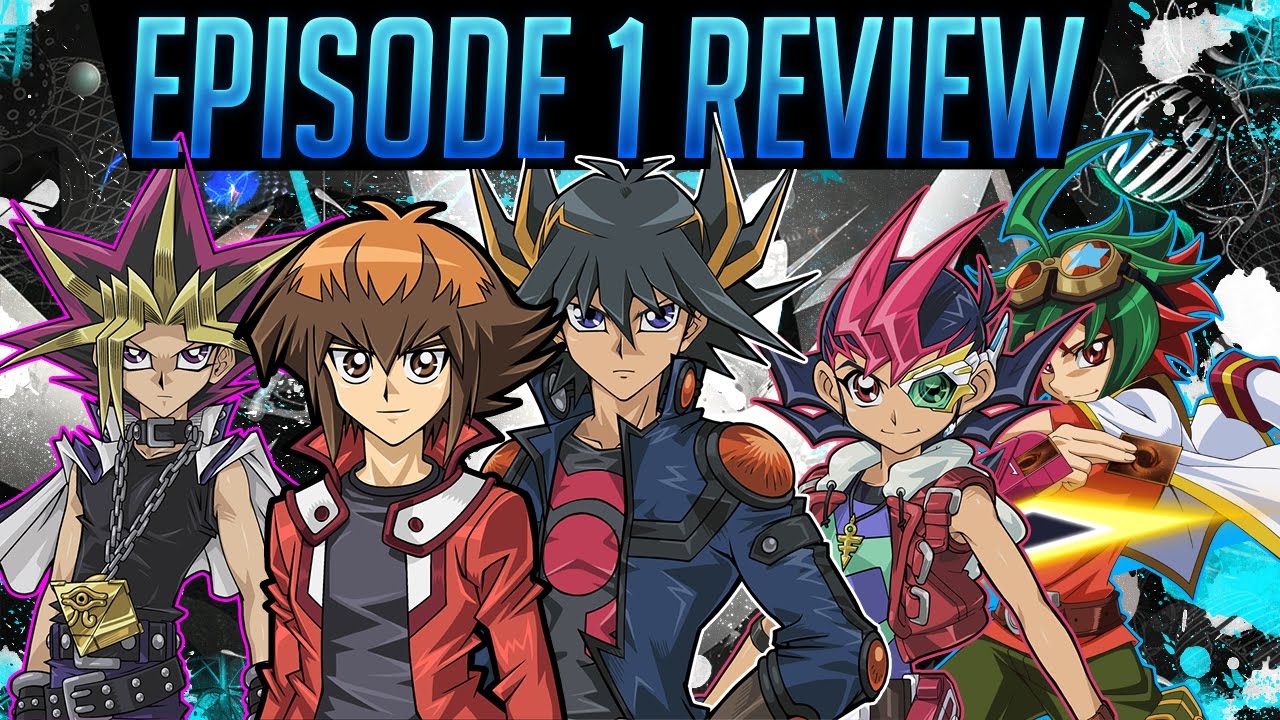
It started with a spiked-haired kid and a golden puzzle. Most people who grew up in the early 2000s remember the "Heart of the Cards" and that specific, gravelly voice of Dan Green shouting about Blue-Eyes White Dragons. But if you haven't looked at the franchise in a decade, you’d barely recognize the Yu-Gi-Oh shows airing today. It’s not just about Pharaohs and Egyptian god cards anymore. Honestly, the series has reinvented itself so many times that it’s basically a different genre every few years.
Some fans stopped watching after Duel Monsters ended. They felt the soul of the game left when Yugi and Atem had their final ceremonial duel. But to understand why these shows still dominate Saturday morning slots and streaming charts, you have to look at how Konami and Studio Gallop (and later Bridge) pivoted. They didn't just want to tell one story. They wanted to sell a changing game.
The 5D’s Gamble: Why Card Games on Motorcycles Actually Worked
If you told a fan in 2004 that the next big thing would be "Synchro Summoning" while riding a heavy-duty motorcycle at 200 miles per hour, they’d have laughed in your face. It sounded ridiculous. Yu-Gi-Oh! 5D’s is often cited as the peak of the franchise by hardcore players, despite the "Turbo Duel" gimmick. Why? Because it took itself seriously.
The setting shifted from the colorful halls of Duel Academy in GX to the gritty, class-divided streets of New Domino City. Yusei Fudo wasn't a goofy protagonist. He was a stoic mechanic living in a literal wasteland. This show introduced a level of social commentary that was surprisingly dark for a show meant to sell trading cards to ten-year-olds. It dealt with poverty, segregation, and the idea of "destiny" being something you forge with your hands.
Synchro Summoning changed the literal pace of the game. It made it faster. Suddenly, you weren't just waiting to draw a Level 7 monster; you were tuning small monsters together to create something bigger. This era of Yu-Gi-Oh shows proved the brand could survive without the nostalgia of the original cast.
The Shift to ZEXAL and the "Childish" Controversy
Then came ZEXAL. If 5D's was the edgy teenager, ZEXAL was the hyperactive younger brother. Yuma Tsukumo was—to put it bluntly—annoying at first. He didn't know how to play. He screamed constantly. Fans hated it.
But here’s the thing about ZEXAL: it has one of the best "zero to hero" arcs in anime history. By the time you reach the Barian Invasion arc, the stakes are cosmic. It introduced Xyz Summoning, which is arguably the most balanced and popular mechanic the game ever saw. It used black-bordered cards that stacked on top of each other. It was visually satisfying. It brought back the "spirit partner" trope with Astral, echoing the Yugi/Atem dynamic but with a more alien, logical twist.
Arc-V and the Multiverse Madness
Yu-Gi-Oh! Arc-V is where things got complicated. Really complicated. It tried to do everything at once.
It brought back characters from GX, 5D's, and ZEXAL. It featured four different dimensions, each representing a different summoning mechanic: Fusion, Synchro, Xyz, and the brand-new Pendulum Summoning. For a while, it was the highest-rated show in the franchise. The mystery of the four "counterpart" protagonists—Yuya, Yuto, Yugo, and Yuri—kept people theorizing for years.
Then the ending happened.
I won't sugarcoat it; the community still argues about the final twenty episodes. It’s widely considered one of the most rushed and bizarre endings in shonen history. Production issues at Studio Gallop were rumored to be the cause, especially with the Dark Side of Dimensions movie pulling staff away. It's a cautionary tale. You can have the best premise in the world, but if you can't land the plane, fans will remember the crash more than the flight.
VRAINS and the Competitive Meta
After the colorful explosion of Arc-V, Yu-Gi-Oh! VRAINS went back to a more serious, tech-focused vibe. It was set in a virtual reality world called LINK VRAINS. This show was explicitly designed to mirror the modern, competitive state of the TCG (Trading Card Game).
- Link Summoning: This mechanic literally rewrote the rulebook. It changed where you could place your cards on the field.
- The Protagonist: Yusaku Fujiki (Playmaker) was a hacker with PTSD. No joke. The show dealt with the "Lost Incident," a kidnapping plot that traumatized children to develop AI.
- Speed Duels: To keep the episodes from dragging, they introduced a smaller field and fewer life points, which eventually birthed the Duel Links mobile game format.
VRAINS felt shorter than the others. It didn't have the "filler" episodes that usually give these shows room to breathe. It was a relentless, high-stakes grind that reflected how intense the real-life card game had become. If you weren't an expert player, some of the duels were actually hard to follow because the combos were so long.
The SEVENS Pivot: A Total Reset
Around 2020, something massive happened. The Yu-Gi-Oh shows ditched the "Master Duel" format entirely.
Yu-Gi-Oh! SEVENS introduced "Rush Duels." The art style changed. It became more "cartoonish" and less "anime-edge." The studio changed from Gallop to Bridge.
This was a business move. The main card game had become too complex for kids to jump into. By creating a show centered on a simplified, faster version of the game, Konami successfully recaptured a younger demographic in Japan. Yu-Gi-Oh! Go Rush!! followed this trend, even introducing aliens into the mix. While Western fans are still waiting for a full-scale Rush Duel rollout, these shows represent a complete departure from the "dark magic" roots of the 90s.
Why the Original Series Still Casts a Shadow
Despite seven spin-offs, the original Yu-Gi-Oh! (Duel Monsters) is still what people buy. You see it in the merchandise. You see it in the "Yugi Muto" and "Seto Kaiba" starter decks that still sell out.
The brilliance of the original show wasn't actually the card game—the rules in Season 1 didn't even make sense. "I'll attack the moon!" isn't a legal move in the TCG. The draw was the mythology. Kazuki Takahashi, the creator who tragically passed away in 2022, was a master of monster design and ancient history. He blended the macabre with the heroic in a way that later shows sometimes struggle to replicate.
Later series often feel like they are writing the story to fit the cards. The original felt like the cards were a byproduct of a much older, darker story about souls and shadows.
Common Misconceptions About the Franchise
- "It’s just for kids." Watch the Japanese version (subbed) of GX or 5D's. The English dubs by 4Kids heavily censored the content. Characters died. Cults were real. People were sent to the "Shadow Realm," which in the original text was just... death.
- "The game is the same as the show." Not really. In the shows, players have 4000 Life Points. In the real game, it’s 8000. Shows also ignore "timing" rules and complex chain links to keep the action moving.
- "Season 0 doesn't count." Before the card game show, there was a 1998 series by Toei Animation. It’s much more violent and focuses on various "Shadow Games," not just cards. It’s a fascinating watch if you want to see Yugi being a bit of a sociopath to bullies.
How to Actually Watch the Series Today
If you’re looking to get back into the Yu-Gi-Oh shows, don’t feel pressured to go in chronological order. They aren't a continuous story. Each series (mostly) takes place in its own universe or a vastly different time period.
If you want nostalgia with a bit more maturity, watch Yu-Gi-Oh! The Dark Side of Dimensions. It’s a movie that takes place after the original manga (ignoring the anime filler) and features some of the best animation the franchise has ever seen. It’s a love letter to the Yugi/Kaiba rivalry.
For those who want to understand the modern game, VRAINS is your best bet, though be prepared for some very technical dialogue. If you just want a fun, high-stakes adventure that feels like a classic shonen, 5D's remains the gold standard for many.
The franchise has survived because it isn't afraid to alienate its old fans to find new ones. It’s a risky strategy, but twenty-plus years of continuous broadcasting suggests it’s working. Whether you're Summoning a God Card or Link Climbing into a Borreload Dragon, the core hook remains: the belief that the next card in your deck is exactly what you need to win.
To get the most out of the experience now, start by identifying what you actually liked about the original. Was it the monsters? Watch Arc-V. Was it the drama? Go with 5D's. If you just want to play, download Master Duel or Duel Links and see the cards from the shows in action. The barrier to entry is higher than it was in 2002, but the depth of the lore—and the game—is significantly deeper.



