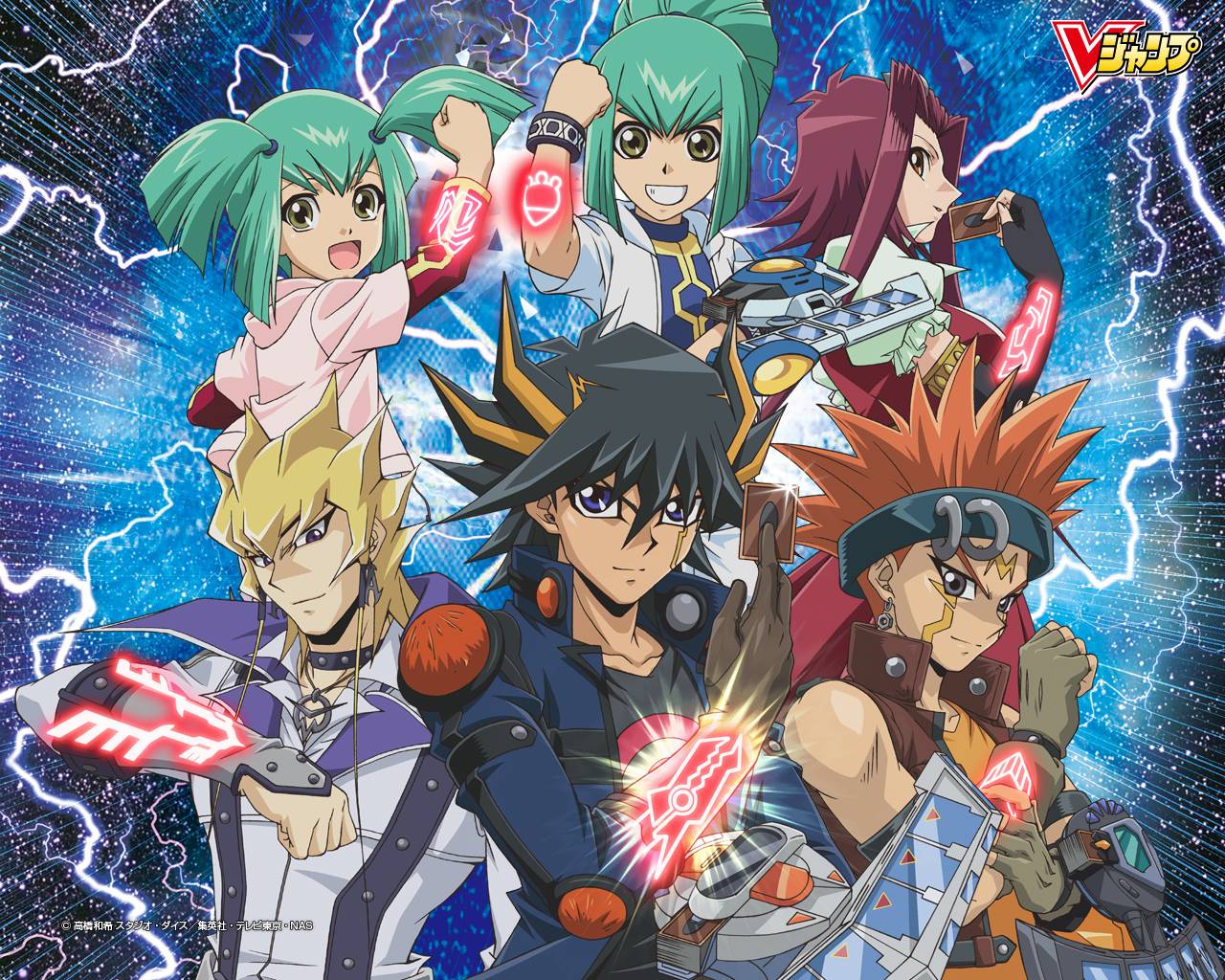
Let’s be real for a second. If you grew up watching Yu-Gi-Oh!, you probably remember the jump from the original series to GX being a bit of a tonal whiplash. But then Yu-Gi-Oh! 5D's season 2 happened, and suddenly, the card game wasn't just about winning a school tournament or saving a soul from a jar. It was about ancient geoglyphs, literal cults, and the freaking apocalypse. It was dark. Like, surprisingly dark for a show meant to sell shiny pieces of cardboard to ten-year-olds.
Season 2, which covers the Earthbound Immortal and Dark Signer sagas, is widely considered the "golden age" of the 5D's era. It kicks off right after Yusei Fudo wins the Fortune Cup. You’d think he’d get a break, right? Wrong. Instead, he gets thrust into a shadow war where the losers don't just lose Life Points—they literally turn to dust and vanish into the underworld.
The Shift That Changed Everything
There is a massive difference between the first season’s localized "Satellite vs. New Domino City" conflict and what we see in Yu-Gi-Oh! 5D's season 2. The stakes went from social commentary to cosmic horror. We’re introduced to the Dark Signers, a group of people who have died and been resurrected by the "Earthbound Immortals." These aren't just generic villains. They are people with deep, personal ties to our protagonists.
Take Kiryu Kyosuke (Kalin Kessler in the English dub). His history with Yusei as a member of Team Satisfaction adds a layer of emotional weight that the franchise rarely touched before. When they duel, it isn't just about the strategy. It’s about the guilt of a broken friendship and the literal scars left behind by their past. This season proved that Yu-Gi-Oh! could handle mature themes like betrayal, death, and systemic poverty without losing the "cool factor" of Synchro Summoning.
Honestly, the pacing here is a bit chaotic, but in a good way. One minute you're watching Jack Atlas deal with his bruised ego after losing his title, and the next, he's facing Carly Carmine, who has been transformed into a vengeful spirit. It’s heavy stuff.
Why the Earthbound Immortals Still Look Terrifying
We have to talk about the monsters. The Earthbound Immortals were a mechanical nightmare for players back in 2009. In the anime, they were depicted as massive, skyscraper-sized entities that absorbed the souls of innocent bystanders to be summoned.
- Wiraqocha Rasca
- Ccapac Apu
- Aslla piscu
These names still carry weight in the TCG community. While the actual competitive viability of these cards faded over time due to their "Field Spell or Die" requirement, their impact on the show's narrative was massive. They felt like actual gods. When a Dark Signer played one, the music changed, the sky turned purple, and you knew someone was probably going to "die" (or be sent to the Shadow Realm, depending on which version you watched).
The Production Chaos You Didn't Know About
Behind the scenes, Yu-Gi-Oh! 5D's season 2 was a bit of a mess. Most fans know about the "cult scandal" involving Carly Carmine’s original Japanese voice actress, Li-Mei Itou. Rumors suggest that her involvement with a real-life controversial group led to the writers drastically shrinking Carly’s role in the later seasons.
This is why the show feels so different after the Dark Signer arc ends. If you’ve ever wondered why the tone shifts from "ancient Mayan apocalypse" to "time-traveling robots from the future" in the later episodes, that’s why. The writers had to pivot. Hard.
They also had to deal with the introduction of "Turbo Duels" becoming the mainstay. While "Card Games on Motorcycles" was a meme for years, the choreography of the duels in season 2 is genuinely impressive. The way the animators used the 3D models for the Duel Runners alongside traditional 2D animation for the monsters was ahead of its time for a weekly broadcast.
Comparing the Sub vs. Dub Experience
If you haven't seen the original Japanese version of Yu-Gi-Oh! 5D's season 2, you are basically watching a different show. The 4Kids dub is legendary for its censorship, and while it has a nostalgic charm, it guts the emotional core of this specific season.
In the Japanese version, characters die. Like, actually die. The stakes feel permanent. The soundtrack by Yutaka Minobe is also vastly superior, using orchestral swells and heavy rock to highlight the tension. The English dub replaces this with generic synth tracks that just don't hit the same way during a climactic Synchro Summon.
The Legacy of the Signer Marks
The concept of the Crimson Dragon and the five (later six) Signer marks gave the show a sense of destiny. In season 2, we finally see the full lineup.
- The Head: Yusei Fudo (Stardust Dragon)
- The Wings: Jack Atlas (Red Dragon Archfiend)
- The Claw: Crow Hogan (Black-Winged Dragon - though this was a late addition that messed with the lore)
- The Heart: Luna (Ancient Fairy Dragon)
- The Tail: Akiza Izinski (Black Rose Dragon)
Crow’s inclusion is still a point of contention among hardcore fans. Originally, it was heavily implied that the fifth Signer would be someone else—likely related to the twins—but Crow’s Blackwing cards were selling so well in the real-world TCG that the producers reportedly forced him into a lead role. This "commercial interference" is a fascinating look at how the toy industry dictates the stories we see on screen.
How to Revisit Season 2 Today
If you're looking to jump back in, don't just mindlessly binge. Pay attention to the world-building in the Satellite. The disparity between the wealthy residents of New Domino and the "marks" (the people with criminal tattoos in the Satellite) is some of the best social commentary the franchise has ever offered.
Actionable Insights for Fans and Collectors:
- Watch the Sub: Find the subtitled version if you want the full impact of the Dark Signer deaths. It changes the entire vibe.
- Check Your Collection: Cards like Stardust Dragon and Black Rose Dragon from the original The Duelist Genesis or Crossroads of Chaos sets are still highly collectible, especially in Ghost Rare or Ultimate Rare prints.
- Play the Video Games: If you want to experience the story firsthand, Yu-Gi-Oh! 5D's World Championship 2010: Reverse of Arcadia on the Nintendo DS covers the Season 2 plot incredibly well, even letting you play as a custom character within the Dark Signer arc.
- Understand the Metagame: Season 2 was the era of "Tele-Dad" and the rise of the Blackwing archetype. Looking back at the card releases alongside the anime episodes shows how Konami synchronized their marketing perfectly during this period.
The Dark Signer arc of Yu-Gi-Oh! 5D's season 2 remains a high-water mark for the series because it wasn't afraid to be grim. It treated its audience like they could handle complex emotions and high stakes. Even if the show eventually went off the rails with the WRGP and the Ark Cradle, these episodes stand alone as a masterclass in how to evolve a "toy" franchise into something that actually resonates with people long after they've stopped playing the game.



