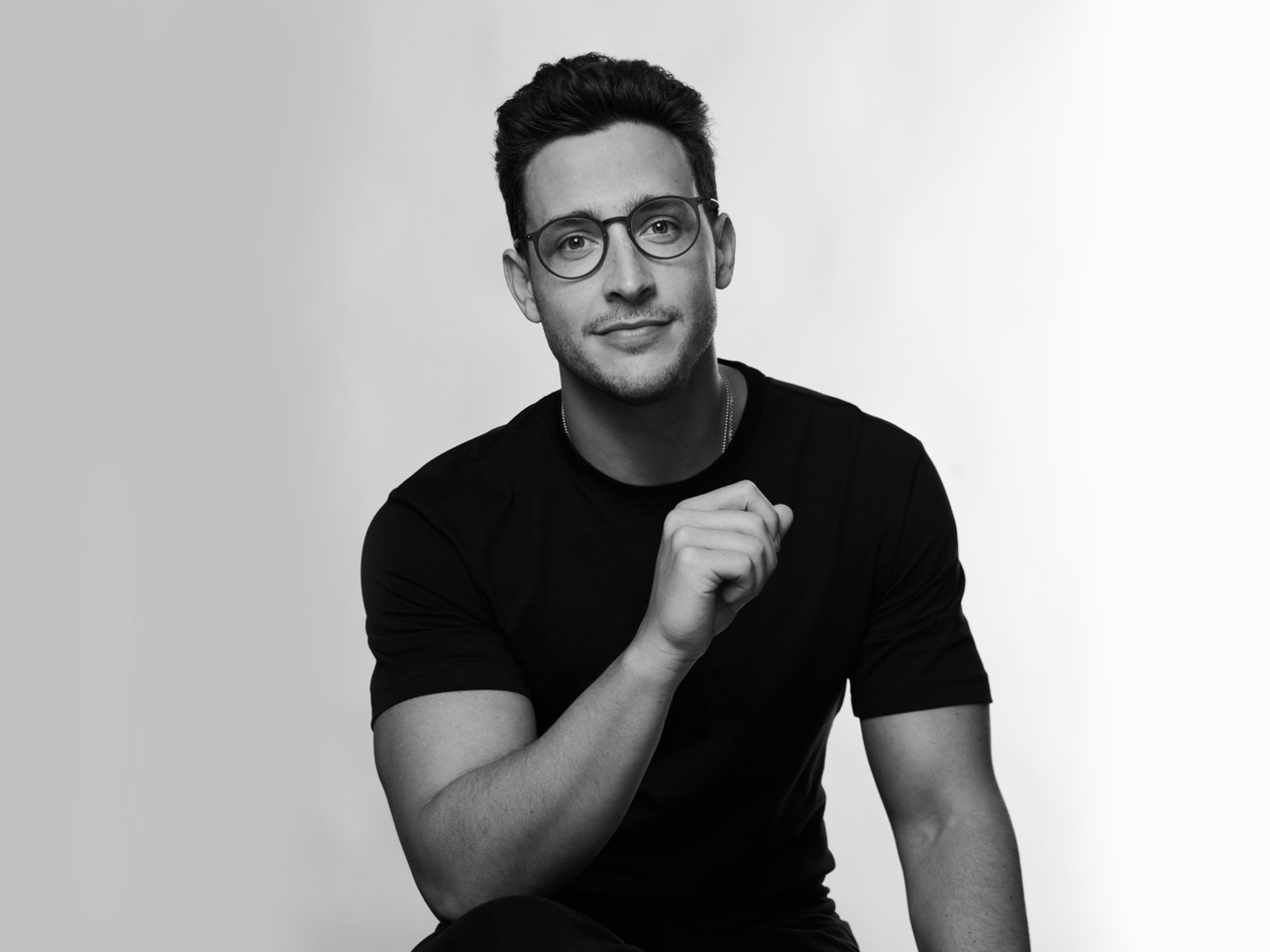
Mikhail Varshavski didn't mean to become a global brand. Honestly, he was just a second-year resident at Overlook Medical Center trying to prove that being a doctor didn't mean your social life had to wither away and die. He posted a photo with his husky, Roxy. The internet, being the internet, went absolutely wild.
Suddenly, the guy was "The Sexiest Doctor Alive" according to People Magazine.
But here’s the thing. Most "internet doctors" are just influencers in lab coats selling you greens powder you don't need. Dr. Mike actually stayed in the clinic. Even now, with over 14.5 million subscribers and billions of views, he still splits his time. Half the week he's in Chatham, New Jersey, seeing patients. The other half, he's basically the world's chief medical myth-buster.
Why YouTube Dr Mike is different from the "Wellness" gurus
The YouTube algorithm loves a miracle cure. It craves "one weird trick to lose belly fat" or "the supplement big pharma doesn't want you to know about." Dr. Mike Varshavski built his entire empire by doing the opposite. He tells people to eat more fiber, get some sleep, and stop panicking over every TikTok health trend.
It's "edutainment."
His content usually falls into a few specific buckets:
- Medical Drama Reviews: He watches shows like Grey's Anatomy and points out how many people would actually be dead if doctors acted like that.
- The Checkup Podcast: He sits down with people like Steve-O or Marques Brownlee to talk about mental health and prostate exams.
- Debunking: This is where he gets heated. He takes on the "liver kings" and the anti-vax sentiment that thrives in echo chambers.
You’ve probably seen his catchphrase: "Stay alert, not anxious." It’s basically his manifesto. In a world where every headache is a brain tumor if you search it on Google, he’s trying to be the voice of reason.
That one time he really messed up
We have to talk about the boat. It’s 2020, the height of the pandemic. Dr. Mike is on every news channel telling people to wear masks and stay home. Then, photos surface of him at a maskless birthday party on a boat in Miami.
It was a PR nightmare.
The backlash was swift and, frankly, pretty deserved. People called him a hypocrite. Medical ethicists like Arthur Caplan weighed in, saying influencers with that much reach have a higher responsibility. He didn't hide, though. He posted a video titled "Let’s Talk," admitted he "messed up," and acknowledged that his actions harmed the very message he was trying to spread.
It was a rare moment of a massive creator actually taking a hit and not just blaming "haters." Since then, he’s leaned even harder into institutional trust. He’s now a UNICEF Ambassador and works with organizations like the UN to fight the "infodemic" of medical misinformation.
The DO vs. MD thing
A lot of people notice the "DO" after his name and get confused. Is he a real doctor? Short answer: Yes. Long answer: He’s a Doctor of Osteopathic Medicine.
The training is almost identical to an MD (Medical Doctor), but DOs get extra training in the musculoskeletal system, called Osteopathic Manipulative Treatment. He often talks about how his dad, a physician from Russia, used these techniques to help him with sports injuries as a kid. That holistic "whole person" approach is why he ended up in Family Medicine.
He likes being the "quarterback" of a patient's care. He’s not just looking at a lab result; he’s looking at why you’re too stressed to sleep.
What's happening with him in 2026?
Fast forward to today. The landscape of YouTube has shifted, but Dr. Mike is still a juggernaut. He’s moved past just reacting to House M.D. clips. He’s recently been hammering home the "Paradox of Over-Optimization."
Everyone is obsessed with wearable tech now. We track our REM sleep, our glucose levels after a banana, and our heart rate variability like it's a full-time job. Dr. Mike’s stance? You're probably overdoing it. He’s been vocal about how "looking healthy" isn't the same as "being healthy."
He’s also leaned into professional boxing. Yeah, for real. He’s used high-profile fights to raise hundreds of thousands of dollars for charities like GlobalGiving for Ukraine and the Harlem Boys and Girls Club. It’s a weird pivot, sure, but it keeps him relatable to a demographic that usually ignores health advice.
Actionable insights from the clinic
If you’re a regular viewer of YouTube Dr Mike, or even if you just stumbled onto his stuff, there are a few core principles he pushes that actually move the needle:
- Find a Primary Care Physician: Stop using the ER or Urgent Care as your main doctor. You need someone who knows your history over ten years, not ten minutes.
- The "Big Three" still win: No supplement replaces sleep, a varied diet, and moving your body. If a "health hack" costs $100 and a walk is free, take the walk.
- Audit your feed: If an influencer is telling you to cut out an entire food group or buy a specific tea to "detox," they’re usually selling something. Your liver and kidneys do the detoxing for free.
- Context is King: What works for a 22-year-old fitness influencer might be dangerous for a 50-year-old with high blood pressure. Personalization beats trends every time.
Dr. Mike’s real value isn't just the entertainment. It’s the fact that he’s trying to bridge the gap between stuffy, inaccessible medical journals and the chaotic world of social media. He makes mistakes, he’s got a bit of an ego, and he’s definitely more polished than your average GP, but he’s making medicine a conversation instead of a lecture.
Check your local listings or his channel for "The Checkup" if you want the long-form stuff. Otherwise, keep an eye out for the "Stay alert, not anxious" tag—it’s a decent way to navigate the internet in 2026.
/i.s3.glbimg.com/v1/AUTH_08fbf48bc0524877943fe86e43087e7a/internal_photos/bs/2025/H/e/ewwgKCQCSopdUJUwy6DA/imagem-2025-04-27-114802986.png)


