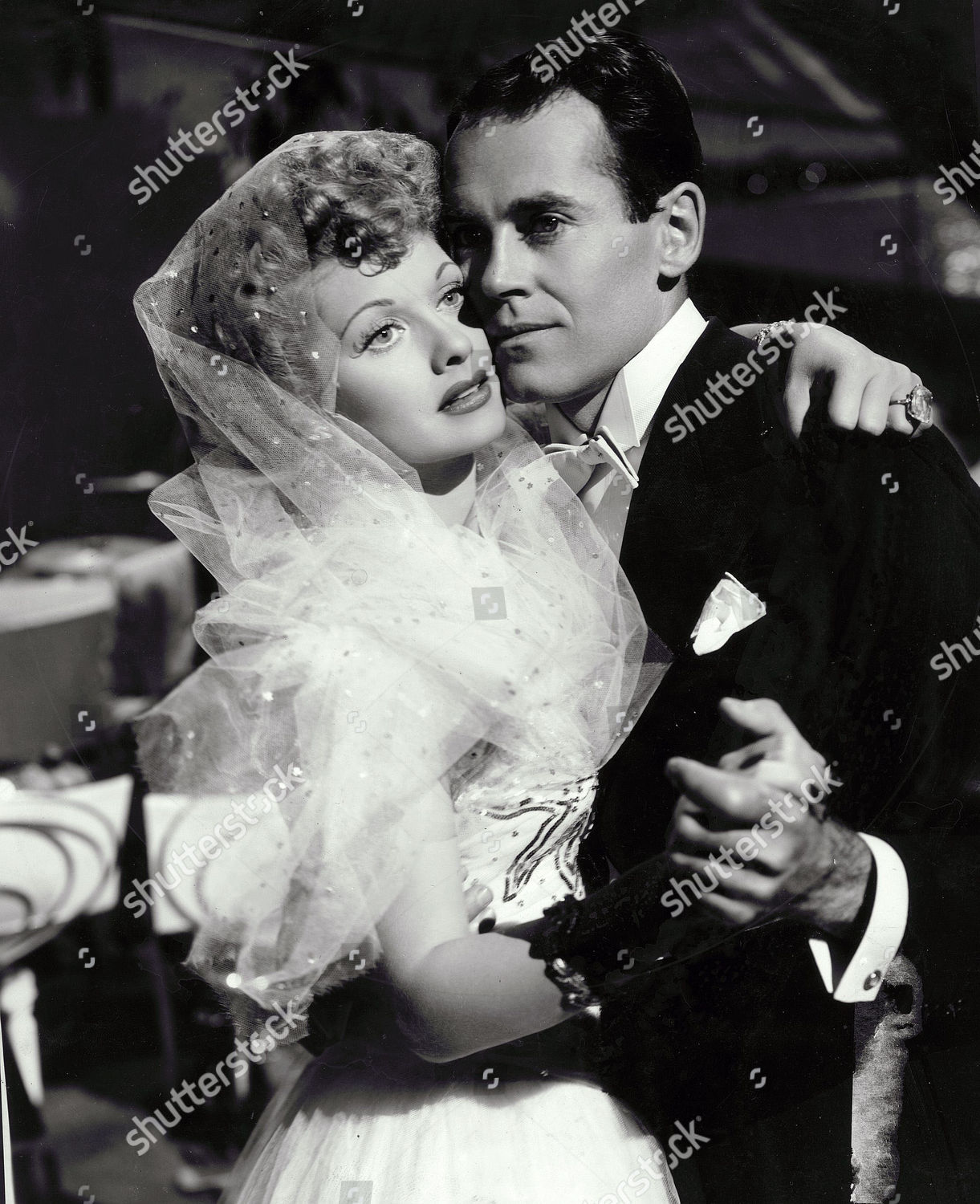
You probably know the drill by now. A widower with a massive brood of kids meets a widow who also has a massive brood of kids. They fall in love, they get married, and then pure, unadulterated chaos ensues as eighteen children try to share a single bathroom. It sounds like the plot of a generic 2000s sitcom or maybe that one Steve Martin remake, but the original Henry Fonda Lucille Ball movie, Yours, Mine and Ours, did it first—and honestly, it did it better than most.
Released in 1968, this film wasn't just some studio-cooked fantasy. It was based on the real-life story of Helen North and Frank Beardsley.
People often forget that before the Brady Bunch ever stepped foot on a soundstage, Lucy and Hank were already navigating the logistical nightmare of blended families. It’s a weirdly grounded movie for something starring the queen of slapstick. You’ve got Lucille Ball, the woman who famously stuffed chocolates in her mouth and stomped grapes, playing a relatively subdued, anxious mother of eight. Opposite her is Henry Fonda, the stoic pillar of American cinema, playing a Navy warrant officer with ten kids of his own.
The math is terrifying. Eighteen kids. Two parents. One house.
The Weird Alchemy of Fonda and Ball
On paper, this pairing makes zero sense. Henry Fonda was the guy from 12 Angry Men and The Grapes of Wrath. He carried the weight of the world in his jawline. Lucille Ball was... well, she was Lucy. By 1968, she was an industry titan, running Desilu Productions and basically owning television.
But that’s exactly why the Henry Fonda Lucille Ball movie works.
Their chemistry isn't built on "will-they-won't-they" tension. It’s built on the exhausted mutual respect of two adults who are deeply underwater. When they meet on a blind date, there’s this palpable sense of "Oh, thank God, another person who understands why my house smells like wet socks."
Fonda plays Frank Beardsley with a rigid, military precision that slowly cracks under the pressure of domestic life. It’s a nuanced performance. He isn't playing a caricature of a father; he’s playing a man who uses discipline as a survival mechanism because he doesn't know how else to manage a household of ten children after his wife died.
Then you have Lucy. As Helen North, she brings a vulnerability that often got buried under her I Love Lucy persona. There’s a scene early on where she’s terrified to tell Frank how many kids she has. She keeps drinking to steady her nerves, and the comedy comes from a place of genuine social anxiety. It’s funny, sure, but it’s also kind of heartbreaking if you think about it.
Behind the Scenes: The Real Beardsley Story
Hollywood loves to polish things until they shine, but the real story behind Yours, Mine and Ours was surprisingly close to what ended up on screen. Helen North really was a widow with eight children. Frank Beardsley really was a Navy man with ten.
They did actually meet. They did actually marry.
The film was based on Helen's book, Who Gets the Drumstick?, which detailed the logistical hurdles of feeding, clothing, and not losing twenty people in a crowded grocery store. The movie's title was actually changed; it was originally going to be called The Beardsley Story, but "Yours, Mine and Ours" had a better ring to it for marketing.
One thing the movie skips? The sheer grit it took to make that household function. In reality, the Beardsleys lived in a farmhouse in California, and the chores were handled with the efficiency of a small corporation. The film captures the "color-coded" nature of their lives—different colors for different sets of kids' laundry—which was a real-life solution Helen implemented to keep from losing her mind.
Interestingly, the real Frank Beardsley was reportedly a bit more stern than Fonda's portrayal, but the affection was real. When you watch the Henry Fonda Lucille Ball movie, you're seeing a sanitized version of a very complicated, very crowded reality.
Why It Outshines the Remake
Most people under the age of thirty probably think of the 2005 version with Dennis Quaid and Rene Russo when they hear the title. No offense to Quaid, but the 1968 original is superior for one major reason: it treats the kids like actual people instead of just props for slapstick stunts.
In the 1968 film, the conflict isn't just about "the kids hate each other." It’s about the grief of losing a parent. It’s about the eldest daughter, played by a young Van Williams, struggling with the idea of a new father figure. It’s about the logistics of a blended family before "blending" was a buzzword.
The 1968 version feels lived-in. The house is messy. The kids are loud. The parents are genuinely tired.
The Impact on Pop Culture
You can’t talk about this movie without talking about The Brady Bunch.
Yours, Mine and Ours was a massive hit at the box office. It raked in over $25 million in 1968 dollars, which was huge for a family comedy. TV producers saw those numbers and realized there was a massive appetite for stories about "jigsaw" families. A year later, Mike Brady and Carol Martin were walking down the aisle.
While Sherwood Schwartz, the creator of The Brady Bunch, claimed he had the idea before the movie came out, the success of the Fonda and Ball vehicle undeniably paved the way for the sitcom's greenlight.
But where the Bradys were glossy and perfect, the Beardsleys were chaotic.
There's a specific scene in the movie involving a doctor coming over to give everyone vaccinations. It's a revolving door of children, a conveyor belt of arms and needles. It’s a masterclass in blocking and comedic timing. This is where director Melville Shavelson really excelled—he managed to keep eighteen child actors moving in a way that felt like a documentary of a riot.
Breaking Down the Critics' Take
At the time, critics were surprisingly kind to it, despite the "fluff" factor. Variety praised the chemistry between the leads, noting that Fonda provided the perfect "straight man" to Lucy’s antics.
However, some modern retrospectives point out the 1960s gender roles that are baked into the script. Helen is very much the "nurturer" while Frank is the "provider/disciplinarian." It’s a product of its time. Yet, there’s an undercurrent of modernism in the way they discuss the economics of a large family. They talk about money. They talk about the cost of milk. They talk about the reality of a Navy pension.
It’s a movie that acknowledges that love is great, but love doesn't pay for eighteen pairs of shoes.
Watching It Today: What to Look For
If you’re going to sit down and watch this Henry Fonda Lucille Ball movie today, look past the 60s hairstyles and the vintage station wagons.
Notice the way Fonda uses his voice. He has this way of commanding a room without shouting. It’s a quiet authority. Then watch Lucy’s face during the scenes where she’s just listening. She was a brilliant listener—a skill many comedic actors lack. She reacts to the chaos around her with a mix of horror and resignation that is still funny fifty years later.
Also, keep an eye out for a young Tim Matheson. He plays one of the older Beardsley boys long before he became a household name in Animal House or The West Wing.
Addressing the "Large Family" Trope
We see this trope everywhere now, from Cheaper by the Dozen to reality shows like 19 Kids and Counting.
The difference is that Yours, Mine and Ours doesn't feel like it's gawking at the family. It feels like it's on their side. There’s no villain. There’s no "evil stepmother" or "cruel stepfather." The "villain" is just the sheer volume of humanity living under one roof.
It’s a wholesome movie, sure, but it’s not saccharine. It has teeth. When the kids start fighting, it feels like a real sibling scrap, not a choreographed dance.
Practical Insights for Classic Film Fans
If you're diving into the filmography of these two legends, this movie is a pivotal bridge. For Fonda, it showed he could do lighthearted comedy without losing his dignity. For Ball, it was a reminder that she could carry a feature film without the "Lucy Ricardo" crutch.
Here is how to get the most out of your viewing:
- Compare it to the book: If you can find a copy of Who Gets the Drumstick?, read it. The real-life Helen North was a fascinating woman who managed a budget that would make a CFO sweat.
- Watch the 1968 version first: Seriously. Don't start with the remake. You need the foundation of the original to appreciate why the story resonated in the first place.
- Look for the technical work: Pay attention to how the camera moves in the house. Filming eighteen kids in tight hallways is a technical nightmare, and the cinematography by Charles F. Wheeler is actually quite impressive for a "simple" comedy.
The Verdict on the Beardsleys
Ultimately, the Henry Fonda Lucille Ball movie stands as a testament to a specific era of filmmaking where star power was used to sell relatable, human stories. It’s not a high-concept sci-fi or a sweeping historical epic. It’s a movie about two people trying to build something new out of the pieces of their old lives.
It’s about the messiness of grief and the clumsiness of new love.
Whether you’re a fan of classic cinema or just looking for something that won’t make you feel cynical about the world, Yours, Mine and Ours holds up. It’s funny, it’s frantic, and it’s surprisingly honest about how hard it is to make a family work.
Next Steps for Your Watchlist
To truly appreciate the range of Henry Fonda and Lucille Ball, you should look at their work immediately surrounding this film.
- Watch Henry Fonda in Once Upon a Time in the West (1968): It was released the same year as Yours, Mine and Ours. Seeing him go from the lovable Frank Beardsley to the coldest villain in Western history (Frank) is a jarring, brilliant experience.
- Explore the Lucille Ball Comedy Hour: Look for the late 60s specials where Lucy was experimenting with longer-form storytelling outside the sitcom format.
- Research the real Beardsley children: Many of them have done interviews over the years about what it was like to see their lives turned into a Hollywood production. Their perspectives add a layer of reality that makes the movie even more interesting.
- Locate the original soundtrack: The score by Fred Karlin captures that upbeat, slightly manic 1960s "family comedy" vibe perfectly and is a great example of mid-century film scoring.



