Lynn Shelton was a bit of a wizard when it came to making people feel awkward. Not the "I want to turn off the TV" kind of awkward, but the "Oh my god, I have actually said that in a kitchen at 2 a.m." kind of awkward. Your Sister's Sister, released back in 2011, is basically the gold standard for that specific brand of Northwest naturalism.
It’s a tiny movie.
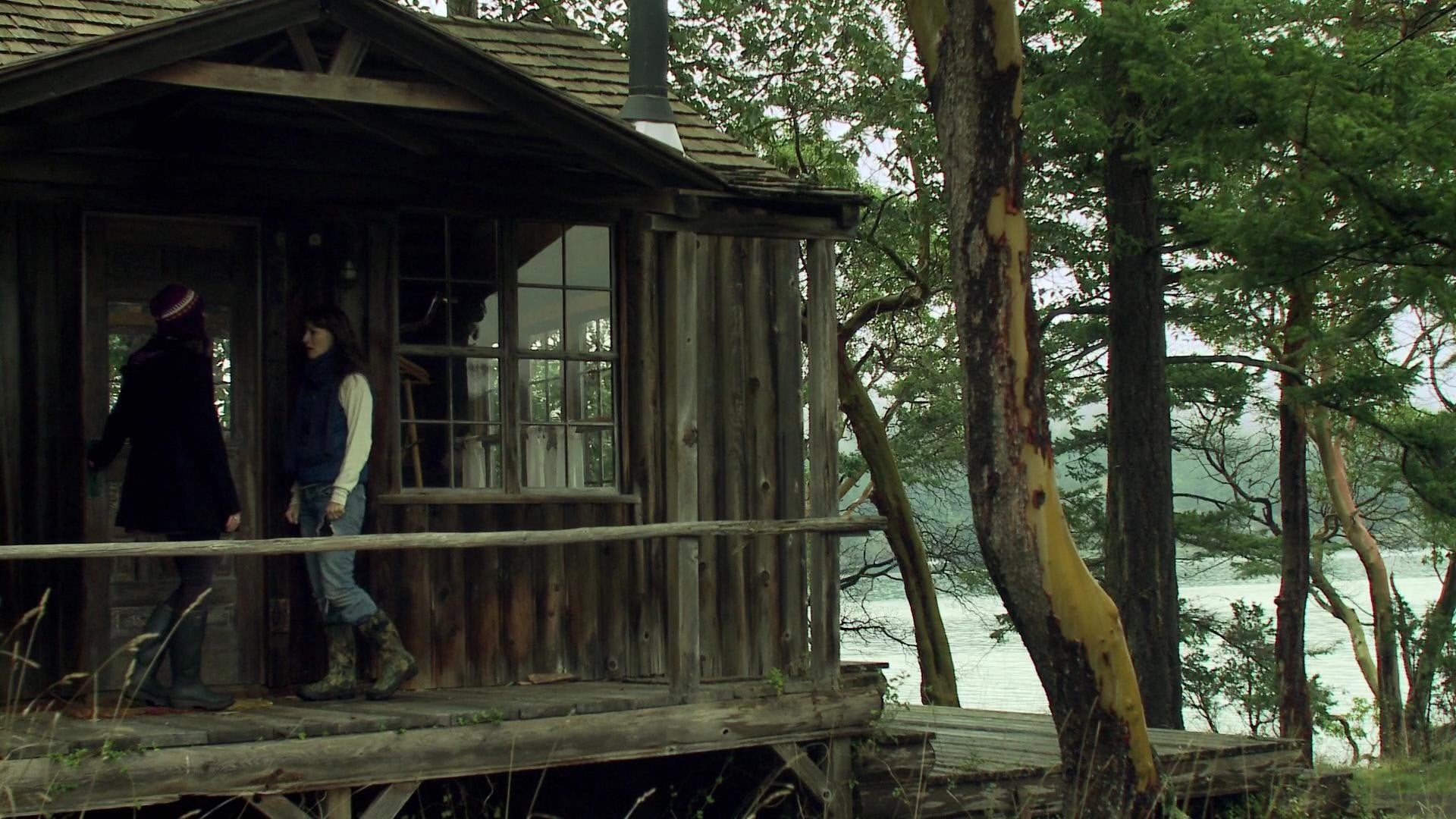
Shot in just 12 days on a shoestring budget in an isolated cabin in Puget Sound, it stars Mark Duplass, Emily Blunt, and Rosemarie DeWitt. There was no traditional script. Seriously. Shelton worked from an outline—a "scriptment"—and let the actors find the words themselves through heavy improvisation. You can tell. The dialogue doesn't have that polished, Aaron Sorkin-style snap. Instead, it’s messy. It’s full of people talking over each other and long, heavy silences that feel earned.
What Your Sister's Sister actually gets right about grief
Most movies handle death with sweeping orchestral scores and perfectly delivered eulogies. Your Sister's Sister starts a year after Jack’s (Mark Duplass) brother has died. Jack is a wreck. He’s loud, he’s cynical, and he’s making everyone at a memorial party uncomfortable by calling out the "sanitized" versions of his brother everyone is celebrating.
Iris (Emily Blunt), who was his brother's ex-girlfriend and is Jack's best friend, sends him to her family’s remote cabin to clear his head. She thinks solitude will fix him. It doesn't. When he gets there, he finds Iris’s sister, Hannah (Rosemarie DeWitt), already hunkered down. She’s just ended a seven-year relationship and is nursing her own brand of misery with a bottle of tequila and some vegan pancakes.
What follows isn't a typical rom-com setup, even if it sounds like one on paper. It’s a study of how people use sex and booze to numb out when they don’t know how to talk about their feelings. Jack and Hannah end up sleeping together that first night. It’s impulsive. It’s complicated by the fact that Iris shows up the next morning, unannounced, intending to surprise Jack.
The beauty of the "mumblecore" approach
People used to throw the word "mumblecore" around like an insult. They’d use it to describe low-budget indies where nothing happens and everyone talks about their feelings. But Shelton reclaimed that. She used the improvisational style to hunt for emotional honesty that you just can't manufacture in a table read.
There is a specific scene where the three characters are sitting around a table drinking. It goes on for a long time. You watch the alcohol take effect. You see the shifts in body language. Because the actors were actually allowed to inhabit the space without a rigid script, the tension feels physical. When Hannah reveals a secret about why she slept with Jack, the air basically sucks out of the room.
Honestly, Rosemarie DeWitt is the MVP here. While Blunt and Duplass are fantastic, DeWitt plays Hannah with this prickly, defensive layer that slowly peels away. You’ve probably met a Hannah. Someone who uses honesty as a weapon because they’re too scared to be vulnerable.
Why the ending of Your Sister's Sister still sparks debate
If you’re looking for a neat bow at the end of the 90 minutes, you aren't going to get it. The film ends on a literal cliffhanger—a pregnancy test result that we, the audience, never see.
Some people hate this. They feel cheated.
But if you look at Lynn Shelton’s filmography—stuff like Humpday or Sword of Trust—she was never interested in the "result." She was interested in the "process." The movie ends the moment the three characters are forced to be 100% honest with each other for the first time. The actual result of the test is secondary to the fact that their relationships have been permanently altered. They are stuck in that cabin, literally and metaphorically, and they have to deal with each other.
It’s a bold choice. It respects the audience enough to let them imagine the "what happens next" rather than spoon-feeding a happy ending.
The technical side of low-budget brilliance
It’s worth noting how Benjamin Kasulke, the cinematographer, shot this. They used digital cameras—the Sony F3, which was a workhorse for indie film at the time—and mostly natural light. This wasn't just a budget constraint; it was an aesthetic choice. They wanted it to feel like you were a fly on the wall in that cabin.
The lack of a massive crew meant the actors could stay in character. They weren't waiting three hours for a lighting rig to be moved. They could just be. This is why the film feels so lived-in. The cabin isn't a set; it's a character. The creaks in the floorboards and the gloom of the Washington rain are essential to the mood.
How to watch Your Sister's Sister today and what to look for
If you’re going to revisit it, or watch it for the first time, pay attention to the silence.
In modern streaming content, silence is often viewed as a "drop-off point" where viewers might check their phones. Shelton leans into it. Watch the scenes where Jack is alone at the start of the film. The pacing is deliberate. It forces you to sit with his grief.
Also, look at the power dynamics between the two sisters. There is a deeply ingrained competitiveness and a specific "sister language" that Blunt and DeWitt nail. It’s in the way they criticize each other’s food or the way they take up space on the couch. That stuff wasn't written; it was found during the shoot.
Real-world impact of the "Shelton Method"
Lynn Shelton passed away in 2020, and it left a massive hole in the independent film world. She proved that you didn't need $20 million to tell a story that resonated globally. Your Sister's Sister premiered at TIFF and was a darling at Sundance, eventually making over $3 million at the box office. That’s a massive return on a $125k investment.
But more than the money, it influenced a whole generation of filmmakers to stop waiting for permission. It showed that if you have a cabin, a few brilliant actors, and a deep understanding of human insecurity, you can make something timeless.
Actionable steps for fans of the genre
If the raw, improvisational style of Your Sister's Sister resonates with you, there are a few ways to dive deeper into this specific corner of cinema:
- Watch the rest of the Shelton "Trilogy": Start with Humpday, then Your Sister's Sister, and finish with Laggies. You’ll see the evolution from raw improv to slightly more structured storytelling.
- Study the "Scriptment" technique: If you’re a creator, look up Mark Duplass’s talks on "The $1,000 Movie." He often discusses the specific ways they structured the outlines for these films to ensure they had a narrative arc without stifling the actors.
- Check out the "Duplass Brothers Productions" catalog: They’ve kept this spirit alive in shows like Togetherness and movies like The Puffy Chair.
- Analyze the geography of the scene: Next time you watch, notice how the characters move in relation to each other in the kitchen. Physical proximity in this film always signals emotional intimacy or a lack thereof. It’s a masterclass in blocking without a traditional DP-led plan.
The film is currently available on various VOD platforms and occasionally pops up on Criterion Channel or IFC Films Unlimited. It’s the perfect rainy-day watch—preferably with a stack of vegan pancakes and a very complicated relationship with your siblings.



