Honestly, we’ve seen Uncle Ben die enough times. It’s basically a cinematic rite of passage at this point. So, when Marvel Studios first started whispering about Your Friendly Neighborhood Spider-Man, the collective internet groan was almost audible. Do we really need more Peter Parker homework?
Apparently, we do. But this isn't what you think.
Forget the MCU timeline for a second. Put away your multiversal maps. This show, led by head writer Jeff Trammell, is doing something weirdly specific. It’s a "what if" scenario that doesn't call itself What If...? because it’s busy being its own vibrant, 1960s-inspired fever dream.
The premise is simple but shifts the entire foundation of the character: What if Tony Stark didn't show up in that Queens apartment in Captain America: Civil War? What if, instead, it was Norman Osborn who walked through that door?
The Visual Identity of Your Friendly Neighborhood Spider-Man
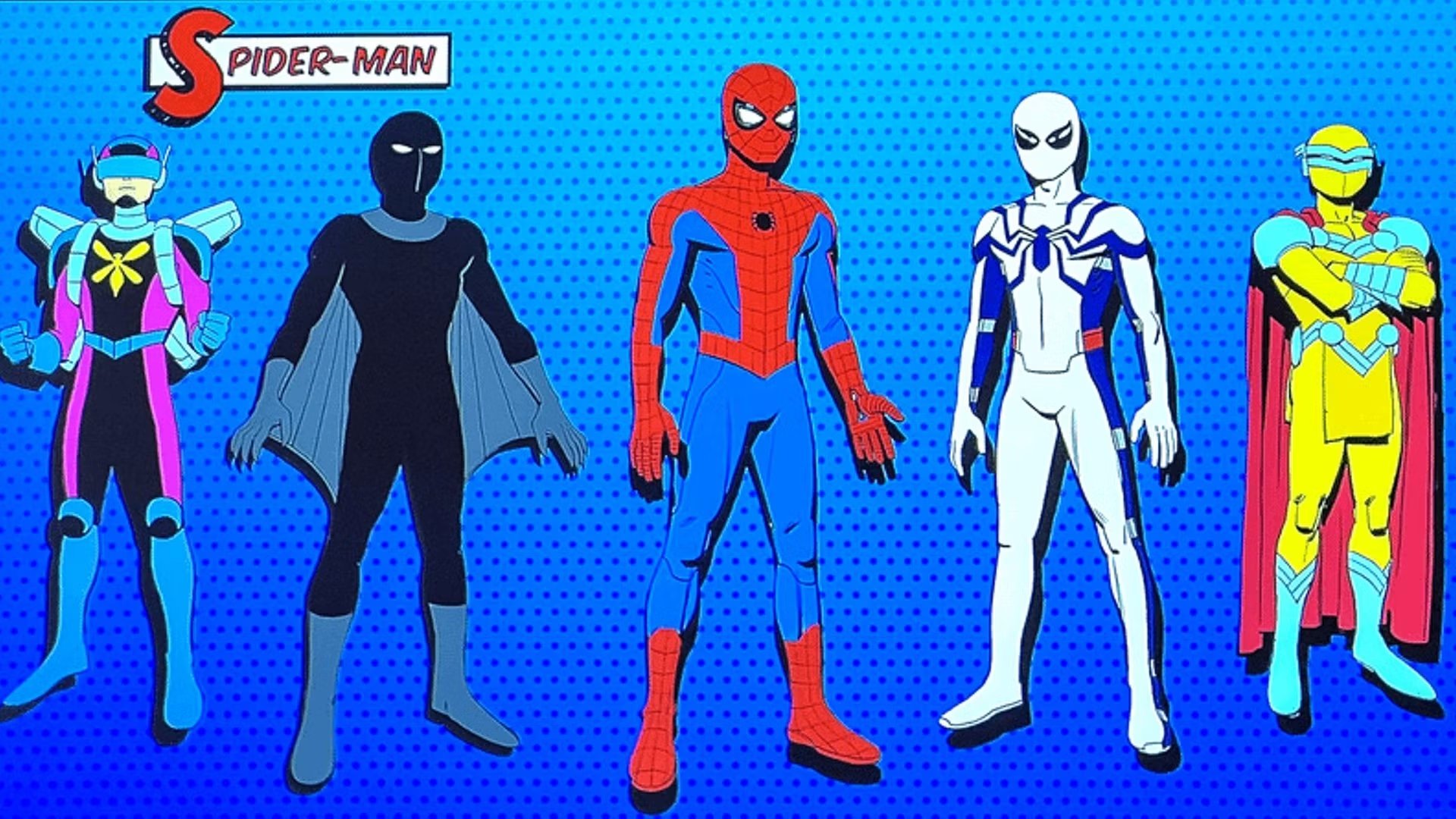
The first thing you’ll notice—and I mean really notice—is the art style. It’s gorgeous. It looks like the ink is still wet on a 1962 Steve Ditko page. Polygon Pictures is the studio behind the animation, and they’ve leaned hard into a cel-shaded, "living comic book" aesthetic that feels tactile.
It’s jittery. It’s colorful. It feels human.
Most modern animation tries to be as smooth as butter, but Your Friendly Neighborhood Spider-Man embraces a certain rhythmic crunchiness. It’s a love letter to the Silver Age. If you look closely at the character designs, Peter looks like a dork. A real one. Not a "Hollywood dork" who’s just a handsome guy in glasses, but a lanky, slightly awkward kid trying to figure out why his sweat smells like chemical adhesive.
A Different Kind of Mentor
Let’s talk about Norman Osborn. In the main MCU, Peter’s relationship with Tony Stark was the North Star. Tony provided the suits, the tech, and the father-figure validation. In this show, Norman Osborn takes that spot.
That is terrifying.
Colman Domingo voices Norman, and he brings this silk-wrapped-in-sandpaper gravity to the role. It’s not the cackling Green Goblin we know from the Raimi films. At least, not yet. This is a mentor who is genuinely helpful but carries an inherent sense of dread. You’re watching Peter accept help from a man we know is destined for madness. It creates a tension that most Spider-Man stories lack because we usually know exactly where the lines are drawn. Here, the lines are blurred with expensive Stark-adjacent tech and questionable ethics.
The Supporting Cast is Deep Cut Heaven
The show isn't just relying on the big names. You’ve got Nico Minoru from the Runaways. You’ve got Amadeus Cho.
Wait. Nico Minoru?
Yes. The inclusion of Nico as Peter’s best friend is a masterstroke. It signals right away that this show isn't interested in just retreading the Ned Leeds or Harry Osborn tropes for the tenth time. It’s pulling from the wider Marvel tapestry to create a social circle that feels fresh. Hudson Thames is voicing Peter—returning from his stint in What If...?—and he captures that specific "I'm-doing-my-best-but-everything-is-on-fire" energy that defines the character.
Why This Matters for Marvel Right Now
Marvel is in a transition period. We all know it. The "fatigue" is a real conversation happening in boardrooms and on Reddit threads alike. Your Friendly Neighborhood Spider-Man feels like a response to that. It’s localized. It’s about Queens. It’s about a kid who has to worry about his chemistry test and a giant rhino man breaking through a brick wall at the same time.
The stakes feel manageable, which ironically makes them feel more important.
When the world is ending every Tuesday in the movies, you stop caring about the world. But when Peter is just trying to hide a torn costume from Aunt May? That’s the good stuff. That’s the DNA of the character that Stan Lee and Steve Ditko baked into the books back in '62.
Breaking Down the Villains
We’re getting a massive rogue’s gallery here.
- Rhino
- Scorpion
- Speed Demon
- Tarantula
- Butcher
- Carmilla Black
It’s a buffet of B-list and A-list antagonists. The design for the Rhino is particularly cool—it’s more "guy in a big suit" and less "giant robot," which fits the retro vibe perfectly. They’re leaning into the absurdity of these characters rather than trying to make them "gritty and grounded." If a guy wants to dress up like a scorpion and sting people, the show lets him be a weirdo.
The Production Journey
This show has been through the ringer. It was originally announced as Spider-Man: Freshman Year back in 2021. People thought it was a direct prequel to Homecoming. Then the rumors started swirling. Creative shifts happened. The title changed.
Usually, that’s a bad sign.
But in this case, it seems like the change was about identity. Calling it Your Friendly Neighborhood Spider-Man distances it from the "Freshman/Sophomore" academic branding and aligns it with the actual comic book title. It’s a declaration of intent. It says, "We are making a Spider-Man show, not a movie tie-in."
Is it Canon?
This is the big question everyone asks. The answer is: Sort of. It’s part of the Marvel Animation Multiverse. It’s canon to itself. It doesn't impact the live-action Peter Parker played by Tom Holland. This is a massive win because it means the writers have total freedom. They can kill off characters. They can change origins. They can let Peter fail in ways the billion-dollar movie franchise won't allow.
What to Watch for When it Drops
Keep an eye on the music. The score is heavily influenced by the classic 60s theme but modernized in a way that doesn't feel cheesy. It’s jazzy. It’s upbeat. It’s synonymous with swinging through a New York that feels alive and slightly dangerous.
Also, look at the costumes. Peter doesn't start with the high-tech Nanotech suit. He’s wearing homemade gear. Goggles. Hoodies. Vests. It’s a visual progression of his skill as a scientist and a hero. Seeing him struggle with the physics of web-swinging never gets old, and the animation team has emphasized the "learning curve" heavily.
Practical Steps for Fans
If you want to get the most out of Your Friendly Neighborhood Spider-Man, don't go in expecting Spider-Man: No Way Home part two. Instead, do these three things:
- Read Amazing Spider-Man #1 through #20. You don't have to, but seeing where the visual cues come from makes the show ten times more rewarding.
- Watch the "What If...?" Zombies episode. Hudson Thames voices Peter there, and it gives you a good feel for his vocal performance before the series starts.
- Pay attention to the background. The show is packed with Easter eggs for the Future Foundation, Oscorp, and other Marvel entities that might not get a spotlight in the movies.
The show is a reminder that Spider-Man works best when he’s struggling. He’s the hero who loses as much as he wins. By taking him back to high school—but with a twist that replaces his greatest ally with his greatest future enemy—Marvel has found a way to make the oldest story in their book feel like it’s being told for the first time.
Check the Disney+ schedule for the official premiere date, as the rollout for Marvel Animation has been shifting to ensure the quality of the "living ink" style remains consistent across all episodes. This isn't a show to binge in the background; it’s one to watch closely for the sheer craft on display.