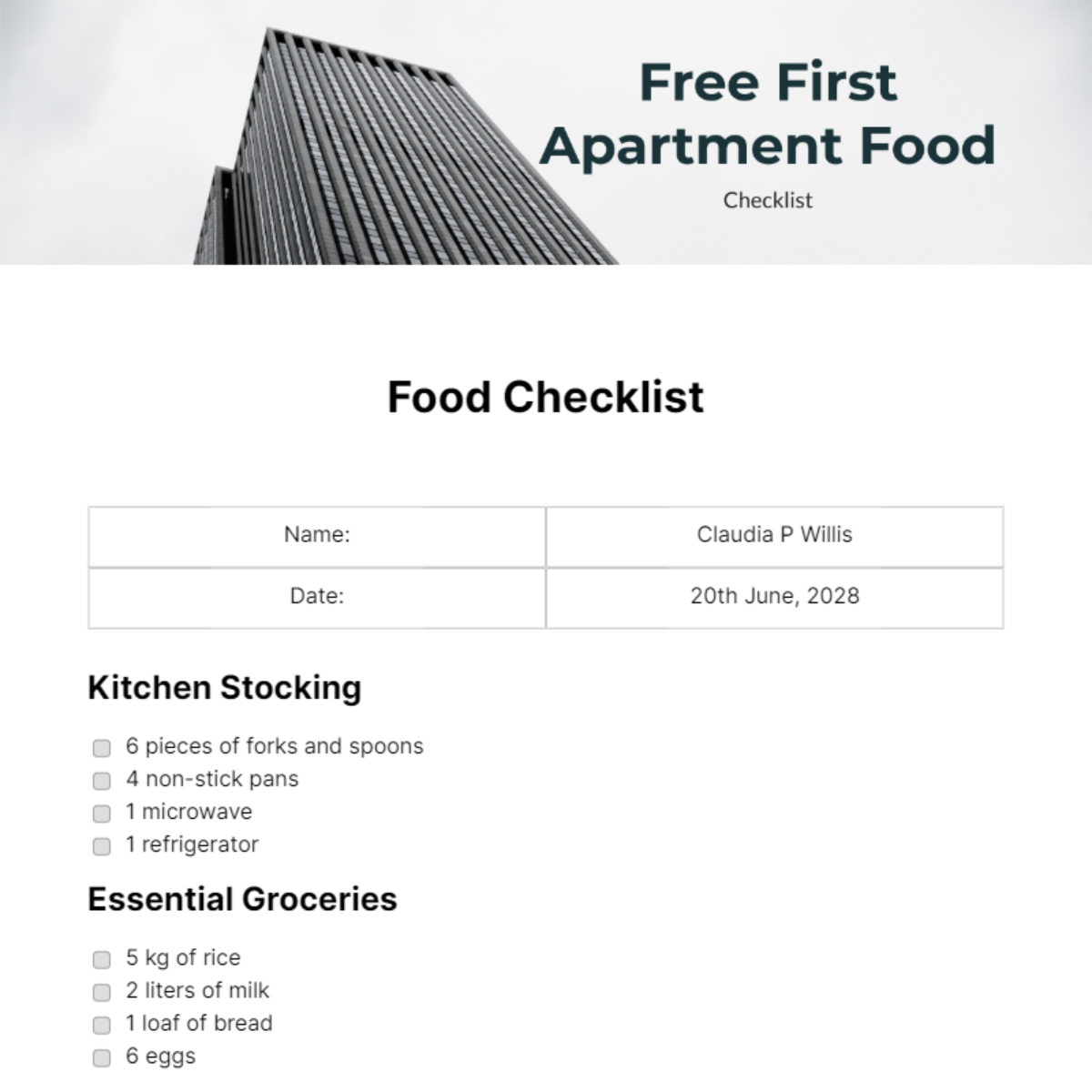
Moving in is a nightmare. Honestly, by the time you've hauled that thrifted dresser up three flights of stairs, the last thing you want to think about is whether you have enough cumin or if you bought the "good" dish soap. Most people approach their first apartment food shopping list with a mix of wild ambition and zero strategy. They go to the store, drop $300 on fancy cheeses and organic kale, and then realize three days later they have nothing to actually make a meal with. It’s a classic rookie move.
Buying food for a new place isn't just about what you like to eat. It's about building an infrastructure. You’re starting from zero. No salt. No oil. No weird half-empty jar of mayo in the fridge door. This isn't a normal weekly grocery run; it's a "set up your life" run. You need the basics that survive for months alongside the stuff you’ll eat tonight.
If you mess this up, you'll end up ordering takeout for two weeks straight, which is basically the fastest way to drain your security deposit refund before you've even hung a picture.
The Essentials Everyone Forgets
You’d be surprised how many people forget the basics. It’s easy to remember the cereal, but what about the milk? Or the bowl? Or the spoon? Well, maybe not the spoon, but you get it. The most important part of a first apartment food shopping list is the stuff you don’t think about until you’re mid-recipe and panicking.
Salt and pepper are non-negotiable. Don't buy the tiny, expensive shakers; get the bigger containers and refill them. You also need a high-smoke-point oil. Think canola or avocado oil for frying and a decent olive oil for everything else. If you don't have fat to cook with, your food is going to stick to that brand-new pan you just bought. It’s physics.
Vinegar is another one. A bottle of apple cider vinegar or balsamic lasts forever and fixes almost any bland sauce.
Then there's the "flavor base." Garlic and onions. They’re cheap. They stay good for a while if you keep them in a cool, dark spot. Honestly, if you have onions, garlic, and salt, you can make almost any vegetable taste like it came from a restaurant.
Managing the Budget Without Eating Garbage
Inflation is real, and the price of eggs has been a roller coaster for the last few years. According to the USDA, food prices are consistently shifting, so your budget needs to be flexible. But being broke doesn't mean you have to live on ramen packets that taste like salt-flavored cardboard.
Grains are your best friend. A massive bag of rice—the five-pound or ten-pound ones—is significantly cheaper per ounce than the little microwaveable pouches. Same goes for pasta. Buy the shapes you actually like. If you hate penne, don't buy it just because it's on sale. You won't eat it.
Beans are the unsung heroes of the first apartment food shopping list. Canned beans are convenient, but dry beans are nearly free if you have the patience to soak them. They provide protein and fiber, and they’re incredibly shelf-stable.
- Black beans: Good for tacos, salads, or just mashed up.
- Chickpeas: You can roast them, toss them in pasta, or make your own hummus if you're feeling fancy.
- Lentils: They cook faster than other beans and make a killer soup.
Don't buy everything organic. It sounds nice, but your wallet will scream. Focus on the "Dirty Dozen" list if you're worried about pesticides, but for things like onions or avocados, the conventional stuff is perfectly fine.
The Refrigerator Foundation
Don't overfill your fridge on day one. Fridges in first apartments are notoriously temperamental. They’re either freezing your lettuce into ice chips or barely staying cold enough to keep the milk from curdling.
Butter is a must. Salted butter lasts longer and tastes better on toast. Eggs are the ultimate "I have nothing to eat" meal. Scrambled, fried, boiled—they’re fast and cheap.
Condiments are where people go overboard. You do not need five types of mustard. Start with the basics: ketchup, mayo, one hot sauce (Sriracha or Cholula are standard), and maybe soy sauce. You can build the "artisan aioli" collection over time.
For produce, buy things that actually last. Carrots, cabbage, and apples can hang out in the crisper drawer for weeks. Spinach, on the other hand, has a half-life of about forty-five minutes before it turns into green slime.
Frozen Assets
Your freezer is a tool, not just a place for ice cream. Frozen vegetables are often more nutritious than the "fresh" ones that have been sitting on a truck for a week. They’re flash-frozen at peak ripeness.
Buy a big bag of frozen peas and one of corn. They’re easy to throw into rice or pasta to pretend you’re being healthy.
Frozen fruit is great for smoothies or topping oatmeal. It won't get moldy in three days like that $7 container of raspberries you bought at the farmers' market.
Also, bread. If you live alone, you probably won't finish a whole loaf before it gets fuzzy. Keep half the loaf in the freezer and just toast the slices as you need them. It’s a game-changer for reducing food waste.
Spices: The "Big Three" Rule
Walking down the spice aisle is intimidating. Those little glass jars are weirdly expensive. Do not try to buy a complete spice rack all at once. It’s a trap.
Start with three.
- Garlic Powder: Because sometimes you're too lazy to chop the real stuff.
- Cumin: Essential for anything Mexican or Middle Eastern inspired.
- Crushed Red Pepper: For heat.
Add more as you find recipes you like. If you're making a specific curry, buy the curry powder then. If you want to make Italian food, grab the oregano. Building a spice collection is a marathon, not a sprint.
Flour, Sugar, and the "Baking Trap"
Unless you are an avid baker, do not buy a five-pound bag of flour and a giant bag of sugar on your first trip. They take up a ton of space and often attract pests if you don't have airtight containers.
If you just want to make the occasional pancake, buy a small box of mix. It’s okay. You’re allowed.
However, if you do plan on cooking from scratch, make sure you have baking powder and baking soda. They aren't interchangeable, and you’ll feel like an idiot if you realize that halfway through making biscuits.
Specific Items for the First Week
The first week is chaotic. You’re unpacking boxes and trying to find your socks. Your first apartment food shopping list needs to include some "emergency" meals that require zero effort.
A box of cereal and a gallon of milk. Peanut butter and jelly. A jar of marinara sauce and a box of spaghetti.
These are the meals you eat when you’re too tired to use the stove for more than ten minutes. They save you from the "I'm exhausted, let's just spend $40 on DoorDash" spiral.
Misconceptions About Bulk Buying
Costco is great, but it’s dangerous for a first-timer. Do you really need 48 rolls of paper towels and a gallon of mayonnaise? Maybe the paper towels, but the mayo will probably go bad before you hit the bottom of the jar.
Bulk buying is only a deal if you actually use the product. If you have a tiny apartment kitchen, space is a premium. A massive bag of flour might save you $2, but if it takes up your only usable shelf, it’s not worth it.
Only buy shelf-stable items in bulk if you have a clear plan for them. Rice, beans, and toilet paper? Yes. Perishables or weird snacks you "might" like? No.
The Logic of the Grocery Store Layout
Most grocery stores are designed to make you spend money. The essentials—milk, eggs, meat—are usually at the very back. This forces you to walk past the end-caps full of chips, cookies, and "limited edition" Oreos.
Stay on the perimeter as much as possible for your fresh stuff, but don't be afraid of the middle aisles for your staples. The "store brand" versions of canned tomatoes, beans, and pasta are almost always identical to the name brands. Look at the unit price on the shelf tag (usually in small print) to see what’s actually the best deal.
Avoiding the "Single-Use" Ingredient
When you're starting out, avoid buying a whole bottle of something you’ll only use once. If a recipe calls for a tablespoon of tahini and you don't even know what tahini is, skip it or find a substitute.
Look for ingredients that work in multiple cuisines. Lemon juice can be used in salad dressings, on fish, or in tea. Ginger can be used in stir-fries or desserts. Versatility is the key to a lean, efficient pantry.
Actionable Steps for Your Move-In Run
Before you grab a cart, do these three things:
- Measure your fridge and cabinets. There is nothing worse than buying a "family size" pizza that doesn't fit in your freezer.
- Check for what’s already there. Sometimes previous tenants leave behind sealed spices or cleaning supplies. Don't double buy.
- Eat a snack. Never shop for a new apartment while hungry. You will come home with three bags of chips and no actual protein.
Focus on the "foundation" first: oils, seasonings, and grains. Then add your proteins (chicken, tofu, eggs) and your "flavor" items (onions, lemons, hot sauce).
Once the pantry is stocked with the basics, your weekly grocery bill will drop significantly. You’ll only be buying fresh produce and whatever specific meat or protein you need for that week's meals. It takes a few months to get the rhythm right, but starting with a solid list prevents that "I have a kitchen but nothing to eat" feeling.
Keep it simple. Stick to the list. Don't buy the fancy truffle oil yet. You've got plenty of time for that later.
Next Steps: Go through your kitchen and count your available outlets. Before you buy a ton of frozen food, make sure your fridge is actually plugged in and reaching the correct temperature (usually 37°F to 40°F). Pick five go-to meals you know how to cook and buy exactly what you need for those first. Once you have the basics down, you can start experimenting with more complex ingredients and spices.