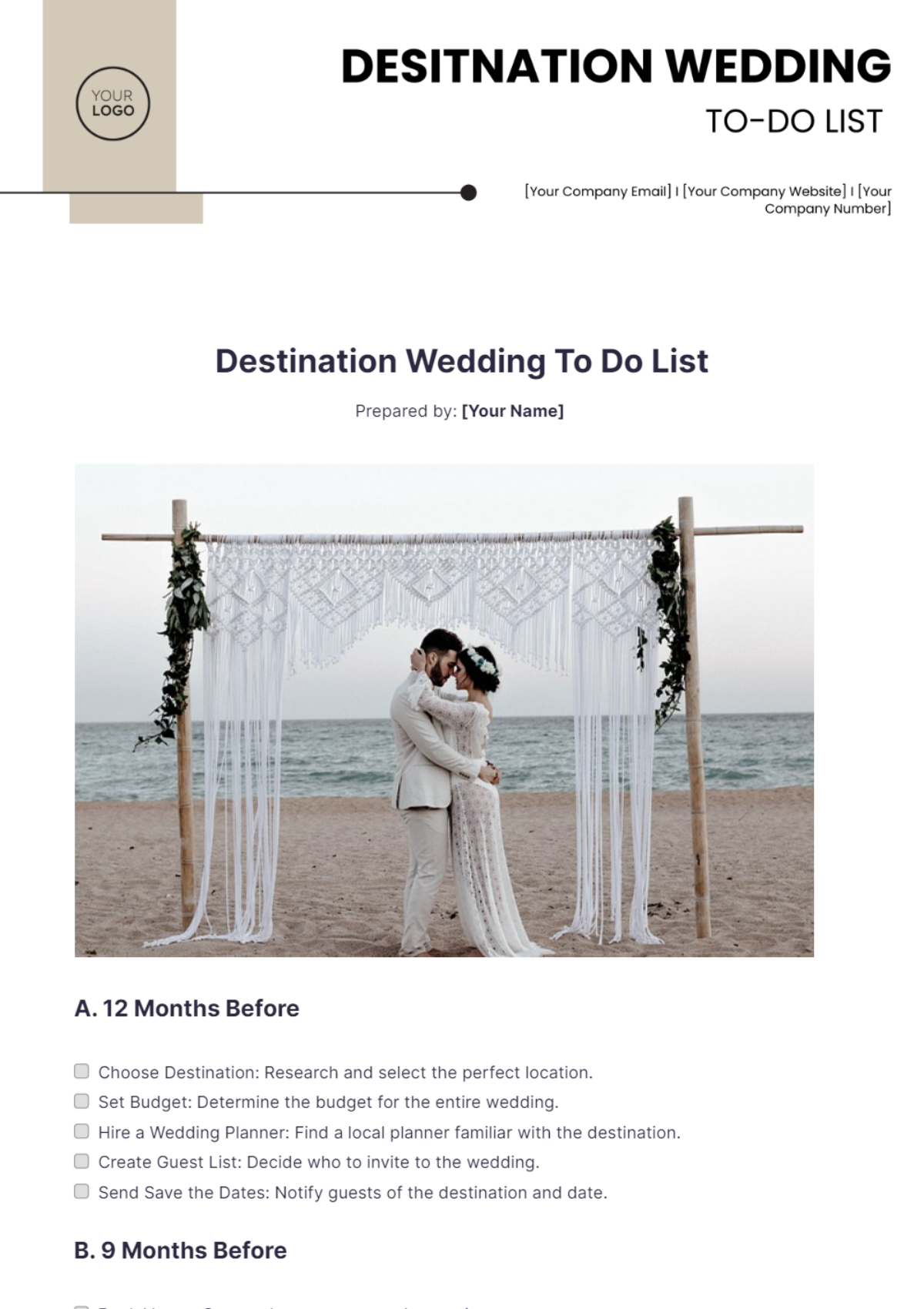
Planning a wedding is stressful. Planning one in a different time zone? That’s a whole other beast. Honestly, most couples start their destination wedding to do list thinking it’s just a normal wedding plus a plane ticket. It isn't. You aren't just picking out a florist; you're navigating international shipping laws, fluctuating exchange rates, and the very real possibility that your "dream" venue in Tulum doesn't actually have a backup plan for a tropical storm.
I’ve seen it happen. A couple once spent $4,000 on custom welcome bags only to have them seized at customs because they included artisanal honey. No one told them about agricultural restrictions. That’s the kind of detail that ruins your morning. You have to be meticulous, but you also have to be flexible enough to realize that things move slower in the Caribbean or the Mediterranean than they do in Chicago or London.
The Logistics Most People Forget
The very first thing on your destination wedding to do list shouldn't be the dress. It should be the legalities. Do you actually want to be legally married in that country? Some places, like France, require a residency period before you can tie the knot. Most couples find it significantly easier to do the "paperwork wedding" at a local courthouse back home a week before they fly out. It saves you from translating birth certificates and blood test results—yes, some countries still require those.
Money and the "Hidden" Destination Tax
Budgeting for this is weird. You might find a venue in Bali that costs a fraction of a ballroom in New York, but then you realize you’re paying a 21% "tax and service" fee on everything. Always ask for the "all-in" price.
Also, currency fluctuation is your enemy. If you book a venue in 2025 for a 2026 wedding, the exchange rate can swing 10% in either direction. Smart planners sometimes use services like Wise or specialized foreign exchange brokers to lock in a rate early. It sounds boring. It is boring. But it’s the difference between having an open bar and serving a "signature mocktail" because you ran out of cash.
Why Your Guest List Is a Different Animal
Your RSVP rate will be lower. Period. Normally, you expect 80% of invited guests to show up. For a destination wedding, that number usually hover around 50% to 60%, depending on how "accessible" the location is. If you’re asking people to fly to a private island that requires two prop planes and a boat, expect that number to drop even further.
You've got to give people time. A year's notice isn't "too much." It’s necessary. People need to request PTO, save money, and find childcare.
- The Save the Dates: Send these 12 months out.
- The Website: This is your lifeline. It needs to include flight suggestions, hotel blocks, and—this is huge—the dress code for every single event. Is "Beach Chic" sandals or heels? Tell them.
- The Registry: Some people think it’s tacky to ask for gifts when guests are spending $2k on travel. Others don't. A good middle ground? Tell people their "presence is the gift," but have a small registry for those who insist.
Navigating the Vendor Maze
You have two choices here: hire local or fly someone in. If you fly your photographer in, you’re paying for their flight, their hotel, and a per diem for food. It’s expensive. However, you know exactly what you’re getting.
If you go local, you need to vet them like a private investigator. Don't just look at their Instagram; ask for a full gallery from a real wedding. Instagram is a highlight reel. You want to see how they handle a dark reception room or a rainy ceremony.
Communication styles vary. In the US, we expect an email back in 24 hours. In Italy? You might wait four days. It’s not because they don't care; it’s just the pace of life. If you’re a "Type A" personality, you probably need a wedding planner who specializes in that specific region to act as a buffer.
The Paperwork and the Fine Print
Check your passport. Now. It needs to be valid for at least six months after your return date. I’ve seen a groom turned away at the gate because his passport expired in four months. It was a nightmare.
And get wedding insurance. Not just "oops I dropped the cake" insurance, but travel-specific cancellation insurance. If a hurricane hits your island, or a global pandemic (remember those?) shuts down borders, you want your deposits back. Read the "Force Majeure" clause in every contract. If it doesn't include weather-related cancellations for a tropical destination, don't sign it.
Your Destination Wedding To Do List: A Realistic Timeline
Let’s be real—life happens, and you won't stick to a perfect 12-month calendar. But you need milestones.
12-18 Months Out: Pick the country and the "vibe." Research the weather patterns. Don't book the Caribbean in October unless you want to gamble with hurricane season. Set a hard budget.
10 Months Out: Secure the venue and the "big" vendors (Photo, Video, Planner). Send those Save the Dates. This is when you also start looking at your wedding attire. Remember: a heavy satin ballgown will feel like a sauna in Mexico. Think about fabrics like linen, chiffon, or silk organza.
6 Months Out: Book your own flights. Finalize the menu. If you’re doing welcome bags, start sourcing items now. Pro tip: buy local stuff when you get there instead of hauling 50 jars of jam in your checked luggage.
3 Months Out: Trial run for hair and makeup. If you can’t fly out for a trial, book a virtual consultation. Check in with your guests. Do they have their hotels booked?
1 Month Out: Final headcount. Final payments. (Always use a credit card for protection, never wire transfer unless you absolutely have to). Pack. Then unpack and remove half of it because you won't need it.
The Welcome Bag Debate
People love them. They really do. But they’re a logistical pain. If you’re doing them, make them functional.
- Hydration: Liquid IV or local bottled water.
- Sun Protection: Reef-safe sunscreen.
- The Schedule: A physical piece of paper with times and locations. Don't assume everyone will check the website once they're at the resort.
- Local Flavor: A bag of local coffee or a small bottle of the region's famous spirit.
Avoid bulky items. Your guests have limited suitcase space for the trip home. If you give them a giant straw hat, they’ll probably leave it in the hotel room.
Handling the "Non-Travelers"
There will be people who can't come. Your 90-year-old grandmother might not be able to handle a 10-hour flight. Your best friend might be in a tight spot financially.
Don't take it personally. A destination wedding is a big ask.
Some couples do a "homecoming" party—a casual dinner or drinks at a local bar a month after they get back. It takes the pressure off. It also lets you wear your wedding outfit twice, which is a win in my book.
Managing the "Wedding Week" vs. The Wedding Day
The best part of a destination wedding isn't the ceremony. It’s the three days of hanging out by the pool beforehand. But that means you are the host for three days.
You need to set boundaries. If you don't, you'll have bridesmaids knocking on your door at 8:00 AM every day. Schedule "on" times and "off" times. Tell everyone, "Friday morning is for the couple to relax alone, we’ll see you at the rehearsal at 4:00 PM."
Actionable Steps for Your Next 48 Hours
Stop scrolling Pinterest and do these three things right now to actually move the needle on your destination wedding to do list:
- Check the Legal Requirements: Look up the "Marriage Requirements for Foreigners" in your chosen country. If it requires a 30-day residency or a blood test, decide right now if you’re doing a legal ceremony or a symbolic one.
- Draft the "A-List": Write down the 20 people who must be there. Call them. Ask them if they can realistically afford the trip and the time off. If your "must-haves" can't make it, you might need to reconsider the location.
- Create a Dedicated Travel Email: Start an email like TheSmithsInItaly@gmail.com. Use it for every vendor inquiry, flight alert, and guest question. It keeps your work and personal inboxes from becoming a war zone.
Planning this is a marathon. It’s easy to get caught up in the aesthetics of a cliffside ceremony, but the success of the event lives in the boring stuff—the logistics, the fine print, and the travel prep. Focus on the guest experience and your own sanity, and the rest usually falls into place.