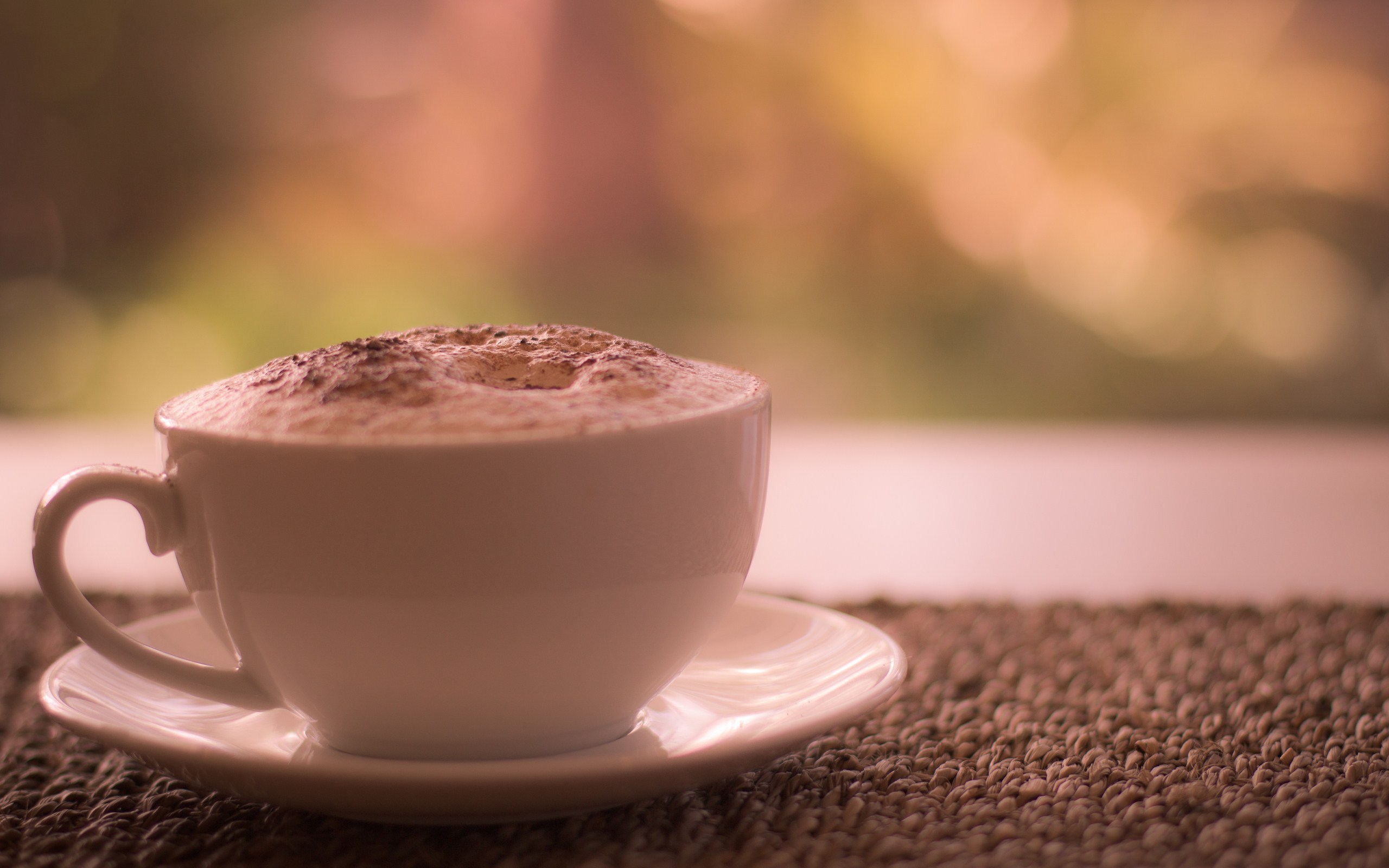
That first, steam-filled cup of morning coffee is basically a religious experience for most of us. You stumble into the kitchen, eyes half-glued shut, and fumbled with the grinder or the Keurig pod until that bitter, earthy smell hits your nose. It’s the signal that the day has officially started. But if we're being honest, most of us are doing it all wrong. We drink it the second we wake up because we think we need that caffeine jolt to function, yet science suggests we might just be wasting the best part of the bean by rushing the process.
It’s about biology. Specifically, it's about cortisol.
Your body has its own built-in alarm clock called the circadian rhythm. When you wake up, your adrenal glands pump out cortisol—often called the "stress hormone," though it's really just your "get up and go" juice. According to research by Steven Miller at the Uniformed Services University of the Health Sciences in Bethesda, cortisol levels typically peak between 8:00 AM and 9:00 AM for someone on a standard schedule. If you drink your cup of morning coffee during this peak, the caffeine is actually redundant. You’re putting a stimulant on top of a natural stimulant, which leads to a faster tolerance buildup and that dreaded afternoon crash.
The Chemistry of the Caffeine Wait
Think about adenosine. This is a neurotransmitter that builds up in your brain throughout the day, making you feel sleepy. Caffeine doesn't actually "give" you energy; it’s a molecular imposter. It’s shaped exactly like adenosine, so it slides into those receptors in your brain and blocks the sleepiness signals from getting through. It’s like putting a block of wood under a brake pedal.
If you drink that cup of morning coffee while your brain is still clearing out the sleep fog, you aren't clearing the fog—you're just masking it.
Wait sixty to ninety minutes. That is the magic window. By waiting until your cortisol levels start their natural dip, usually around 9:30 AM or 10:00 AM, the caffeine hits much harder. It fills the gap left by your fading natural hormones. You get a smoother lift. No jitters. No weird heart palpitations by lunchtime. It sounds like a small shift, but it fundamentally changes how your brain processes the stimulant.
Why Temperature and Extraction Matter More Than You Think
Ever had a cup that tasted like burnt rubber or sour grapes? That isn't just "bad luck." Most people treat their cup of morning coffee like a utility rather than a craft, but the physics of extraction are pretty brutal. If you’re using boiling water (212°F), you’re scorching the grounds. This releases excess tannins and polyphenols that create a bitter, astringent mess. The National Coffee Association actually recommends a sweet spot between 195°F and 205°F.
If you don't have a thermometer, just let the kettle sit for two minutes after it whistles. Simple.
Grind size is the other silent killer. If your coffee is too sour, the water moved through it too fast because the grind was too coarse. If it’s intensely bitter, the water sat there too long or the grind was like fine dust. It’s all about surface area. A medium-grind—the texture of sea salt—is usually the safest bet for a standard drip machine or a pour-over.
The Myth of the Dark Roast Kick
There is this weirdly persistent idea that a dark, oily, smoky French Roast has more "kick" than a light roast. It’s actually the opposite. Caffeine is organic, and high heat breaks it down. While the difference isn't massive, light roasts (often called Cinnamon or New England roasts) generally retain more of the original caffeine content of the bean.
Plus, light roasts actually taste like where they came from.
A light roast from Ethiopia might taste like blueberries or jasmine. A dark roast just tastes like... roast. Like fire. If you want a cup of morning coffee that actually wakes you up and offers a complex flavor profile, start looking for bags labeled "Light" or "Medium" with specific origin notes. You might find you don't even need the sugar anymore because the beans aren't being hidden behind a wall of carbon.
Hydration First, Caffeine Second
This is the part everyone hates to hear. You’ve been asleep for eight hours. You’re dehydrated. Your brain is literally slightly shriveled inside your skull. Coffee is a diuretic, meaning it makes you pee.
If your first liquid of the day is a cup of morning coffee, you’re starting the day in a hydration deficit. This leads to brain fog that no amount of caffeine can fix. Try drinking sixteen ounces of plain water before you even touch the carafe. It "greases the wheels" of your metabolism and makes the eventual caffeine uptake much smoother. Honestly, your skin will look better too.
The Ethics Behind Your Morning Ritual
We don't talk about the supply chain enough. The "C-price" (the commodity price of coffee) fluctuates wildly, often leaving farmers in places like Guatemala or Vietnam earning less than the cost of production. When you buy that massive tin of pre-ground "mystery blend" for five dollars, someone, somewhere, is losing out.
Direct Trade or Fair Trade certifications aren't perfect, but they’re a start. Looking for "Specialty Grade" coffee ensures a higher quality of bean and usually a better payout for the producer. It’s about more than just being a "coffee snob"; it’s about ensuring the person who grew your cup of morning coffee can actually afford to keep their farm running.
Better Ways to Brew at Home
You don't need a three-thousand-dollar espresso machine to have a world-class experience. In fact, some of the best methods are the cheapest.
- The AeroPress: It’s basically a giant plastic syringe. It’s indestructible, costs about forty bucks, and makes a cup that is remarkably clean and low in acidity. It’s perfect for people who find coffee upsets their stomach.
- The French Press: The old reliable. It uses a metal mesh filter, which allows the natural oils of the bean to stay in the cup. This gives it a "heavy" mouthfeel and a lot of body. Just don't let it sit in the press after you plunge it, or it’ll keep brewing and turn bitter.
- The Pour-Over: Think V60 or Chemex. This is for the person who wants to taste the "notes" of the coffee. It’s a slower process, but it’s meditative. Watching the "bloom"—when the hot water hits the grounds and they bubble up as CO2 escapes—is a great way to force yourself to be present in the morning.
The Real Impact on Longevity
There's actually some pretty great news for those of us who can't live without our fix. Studies published in the Annals of Internal Medicine have tracked hundreds of thousands of people and found that moderate coffee consumption (about 2 to 4 cups a day) is linked to a lower risk of early death. We're talking lower rates of Type 2 diabetes, Parkinson’s, and even certain types of liver disease.
It’s the antioxidants. Coffee is actually the primary source of antioxidants in the Western diet. Not kale. Not blueberries. Coffee.
However, the "health" part disappears the moment you dump four tablespoons of flavored syrup and half a cup of heavy cream into the mix. At that point, you're drinking a liquid dessert, not a functional beverage. If you can't stand it black, try a splash of whole milk or a pinch of salt. Yeah, salt. A tiny pinch of salt neutralizes the bitterness without adding the calories of sugar. It’s an old sailor’s trick, and it works.
Actionable Steps for a Better Morning
Stop treating your caffeine intake like an emergency. If you want to actually feel the benefits and avoid the 2:00 PM slump, change your routine for just one week.
- Hydrate before you caffeinate: Drink a full glass of water as soon as you stand up.
- The 90-Minute Rule: Set a timer if you have to. Push your cup of morning coffee back until your natural cortisol peak has passed.
- Buy Whole Beans: Coffee starts losing its flavor the second it's ground. A cheap burr grinder will change your life more than a fancy coffee maker ever will.
- Check the Roast Date: If the bag doesn't have a "Roasted On" date, it’s probably stale. Look for beans roasted within the last two to three weeks.
- Clean Your Gear: Coffee oils turn rancid. If you haven't washed your carafe or your reusable filter with soap lately, your coffee is going to taste "off" no matter how expensive the beans are.
By shifting your perspective from "I need this to survive" to "I’m going to optimize this experience," you get more than just a buzz. You get a ritual that actually serves your biology instead of fighting it.