You just brought home a 2 month old German Shepherd. Honestly? Good luck. I mean that in the best way possible, but let's be real—your life just changed. Your carpets are in danger. Your ankles are definitely in danger. These dogs are incredible, but at eight weeks, they are essentially fuzzy land sharks with the cognitive ability of a toddler who just drank three juice boxes.
They’re cute. Ridiculously cute. Those oversized ears that haven't quite decided to stand up yet? Pure magic. But beneath that fluff is the DNA of one of the world's most intense working breeds. Whether you got yours from a high-drive working line or a more mellow show line, the first few weeks are a whirlwind of socialization, needle-sharp teeth, and very little sleep.
Why 8 weeks is the magic number
Most breeders won't let a puppy go before this point. It’s for a reason. Between six and eight weeks, puppies learn "bite inhibition" from their littermates. If they bite a brother too hard, the brother yelps and stops playing. That’s a lesson you can’t easily teach yourself. When you bring home a 2 month old German Shepherd, you’re taking over that education.
It's a weird transition. One minute they’re sleeping like angels, and the next, they’re doing "the zoomies" across your living room. Their brains are like sponges right now. This is the peak of their socialization window. According to the American Veterinary Society of Animal Behavior (AVSAB), the first three months of life are the most critical for shaping a dog’s future temperament. You have about four weeks left in this high-priority window to show them the world isn't scary.
The Land Shark Phase (and how to keep your skin)
Everyone warns you about the biting. You think, "Oh, I'll just give them a chew toy." Then the dog ignores the toy and goes straight for your Achilles tendon. German Shepherds are mouthy. It's how they interact with the world.
Don't scream. Don't hit. If you yelp like a dog, sometimes it actually eggs them on because they think you’re a squeaky toy. The best move? Redirection. Every single time those teeth touch skin, life stops. The fun ends. You walk away. They need to learn that "human skin = end of the party." It takes weeks. You’ll probably cry once or twice. That’s normal.
Feeding the beast: Nutrition for rapid growth
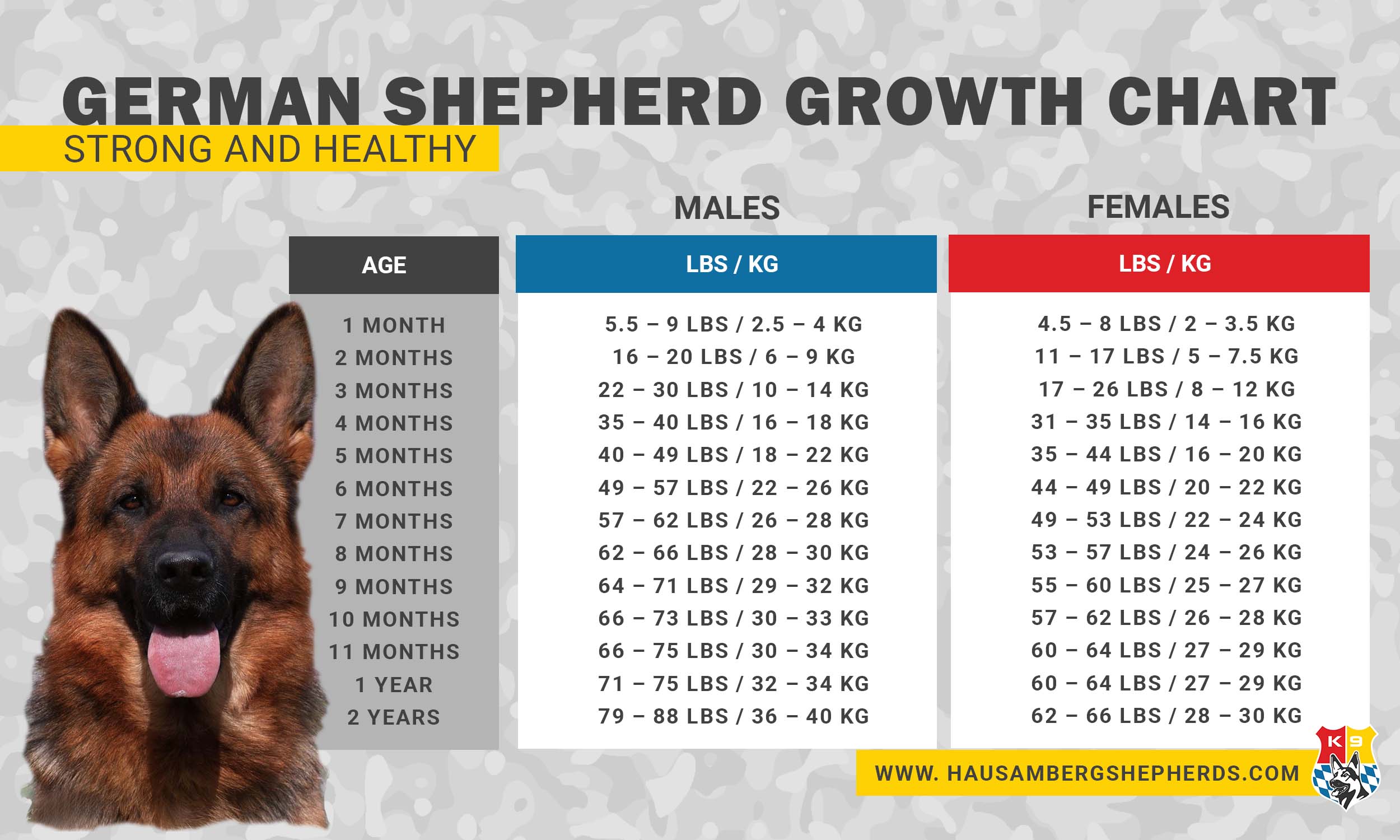
Your puppy is going to grow fast. Like, "blink and they're 10 pounds heavier" fast. Because of this, nutrition is actually a bit of a tightrope walk. You don't want them to grow too fast. If a 2 month old German Shepherd puts on weight too quickly, it puts massive strain on their developing joints. This is a breed notorious for hip and elbow dysplasia.
Look at the back of your dog food bag. You want a "Large Breed Puppy" formula. Why? Because these formulas are specifically designed with a lower calcium-to-phosphorus ratio. High calcium levels in large-breed puppies can lead to skeletal deformities. You’re looking for a controlled growth rate, not a "who can get the biggest the fastest" contest.
Feed them three to four times a day. Their little stomachs can’t handle one or two giant meals yet. It also helps keep their blood sugar stable, which might (emphasis on might) keep the "cranky puppy" tantrums to a minimum.
The Potty Training Reality Check
Let’s talk about bladders. At two months, a puppy can generally hold it for about two hours during the day. That’s it. If you’re working an 8-hour shift and expect to come home to a clean crate, you’re setting yourself up for heartbreak and a lot of enzyme cleaner.
You need a schedule.
- Out after waking up.
- Out after eating.
- Out after playing.
- Out before bed.
- Out at 3:00 AM.
Yes, the 3:00 AM wake-up call is part of the deal. If you stay consistent for the next 14 days, you’ll see the light at the end of the tunnel. If you’re lazy about it now, you’ll be cleaning pee off your rugs for the next six months.
Socialization is not just "meeting dogs"
People get this wrong all the time. They think socializing a 2 month old German Shepherd means taking them to a dog park. Please, don't do that. First of all, they aren't fully vaccinated yet (Parvo is real and it is deadly). Second, one bad experience with an aggressive adult dog at this age can scar a GSD for life, leading to fear-reactivity later.
Socialization is about exposure to sights and sounds.
- Let them hear the vacuum cleaner from a distance.
- Walk them (carried, if not fully vaxxed) past a construction site.
- Have a friend wear a big floppy hat and sunglasses.
- Walk on different textures: grass, gravel, tile, wet pavement.
The goal is a neutral dog. You want a dog that sees a person on a bicycle and thinks, "Oh, cool, a bicycle," rather than a dog that loses its mind. German Shepherds are naturally protective and suspicious of strangers. If you don't show them that the world is generally safe now, their "protection" instincts will turn into "anxiety" instincts by the time they hit puberty.
The "Velcro Dog" Shadow
You’ll notice your GSD follows you everywhere. Even to the bathroom. This "Velcro" behavior is endearing, but it’s the seeds of separation anxiety. Start practicing "mini-absences" now. Put them in their crate or a playpen with a frozen Kong and walk into the other room for five minutes. Increase the time slowly. They need to learn that you leaving isn't a life-ending event.
Health milestones and the Vet
Your first vet visit should happen almost immediately. At two months, they’re due for their second round of DHPP (Distemper, Hepatitis, Parvovirus, and Parainfluenza).
Don't forget the deworming. Almost all puppies are born with some level of internal parasites. It’s gross, but it’s reality. Your vet will likely ask for a "sample." Just do it. Also, start talking about heartworm and flea/tick prevention now. German Shepherds are prone to skin issues, and a single flea can cause a massive allergic reaction in some of these guys.
Training: Start yesterday
Don't wait until they’re 60 pounds to teach them not to pull on the leash. Start now with "lure training." Use a piece of kibble to lead their nose into a sit or a down. Keep sessions short—like, three minutes short. Their attention span is roughly the length of a TikTok video.
Focus on "Watch Me." Getting a German Shepherd to look at you despite distractions is the single most important skill they can have. It’s the foundation of everything else.
Mental Stimulation vs. Physical Exercise
Here’s a secret: You cannot tire out a German Shepherd with just walking. They will just get more fit and become an athlete that never sleeps. You have to tire out their brain.
- Snuffle mats.
- Hide-and-seek with treats.
- Learning "touch" with their nose.
A 10-minute "brain workout" is worth an hour-long walk for a 2 month old German Shepherd.
What to buy (and what to skip)
Don't buy the expensive fancy beds yet. They will pee on it. Or chew it to pieces. Get a durable crate, a few "indestructible" rubber toys (KONG or West Paw are solid choices), and a long leash for training. You’ll also want a high-quality enzyme cleaner like Nature's Miracle. Standard soap doesn't break down the proteins in dog urine, so if you don't use an enzyme cleaner, the puppy will keep smelling their "spot" and returning to it.
Avoid the "no-pull" harnesses for now. Just stick to a flat collar or a simple harness while they learn the basics. You want them to feel your communication through the lead.
The "Blues" are real
If you feel overwhelmed, you’re in good company. Puppy blues are a documented thing. You might miss your old life where you could sleep past 6:00 AM or sit on the couch without a 15-pound ball of energy biting your ear. It gets better. The bond you’re building right now is the foundation for a dog that would literally walk through fire for you.
German Shepherds are "one-person" or "one-family" dogs. They aren't like Labs who love everyone they meet equally. They are discerning. Right now, you're earning that loyalty. Every time you're patient when they have an accident, or every time you calmly redirect a bite, you're telling them you're a leader they can trust.
Actionable Next Steps
- Schedule the Vet: If you haven't had a wellness check in the last 48 hours, call today. Get that vaccine schedule set in stone.
- Find a "Puppy Social" Class: Look for trainers who offer "sanitized" puppy playgroups. These are held in indoor facilities that are bleached to prevent Parvo, allowing puppies to play safely before their full shot series is done.
- Freeze Your Kibble: Put some of their daily food ration in a toy with a little water or low-sodium broth and freeze it. This is a lifesaver for when they start teething and their gums are sore.
- Take the Photos: Seriously. In two weeks, they won't look like this anymore. They grow at a rate that defies the laws of physics.
You’ve got a legendary partner in the making. It’s just going to take a lot of patience, a few band-aids, and a very consistent routine to get there. Keep your head up. The land shark phase doesn't last forever. Eventually, you’ll just have a very large, very loyal, slightly goofy best friend.