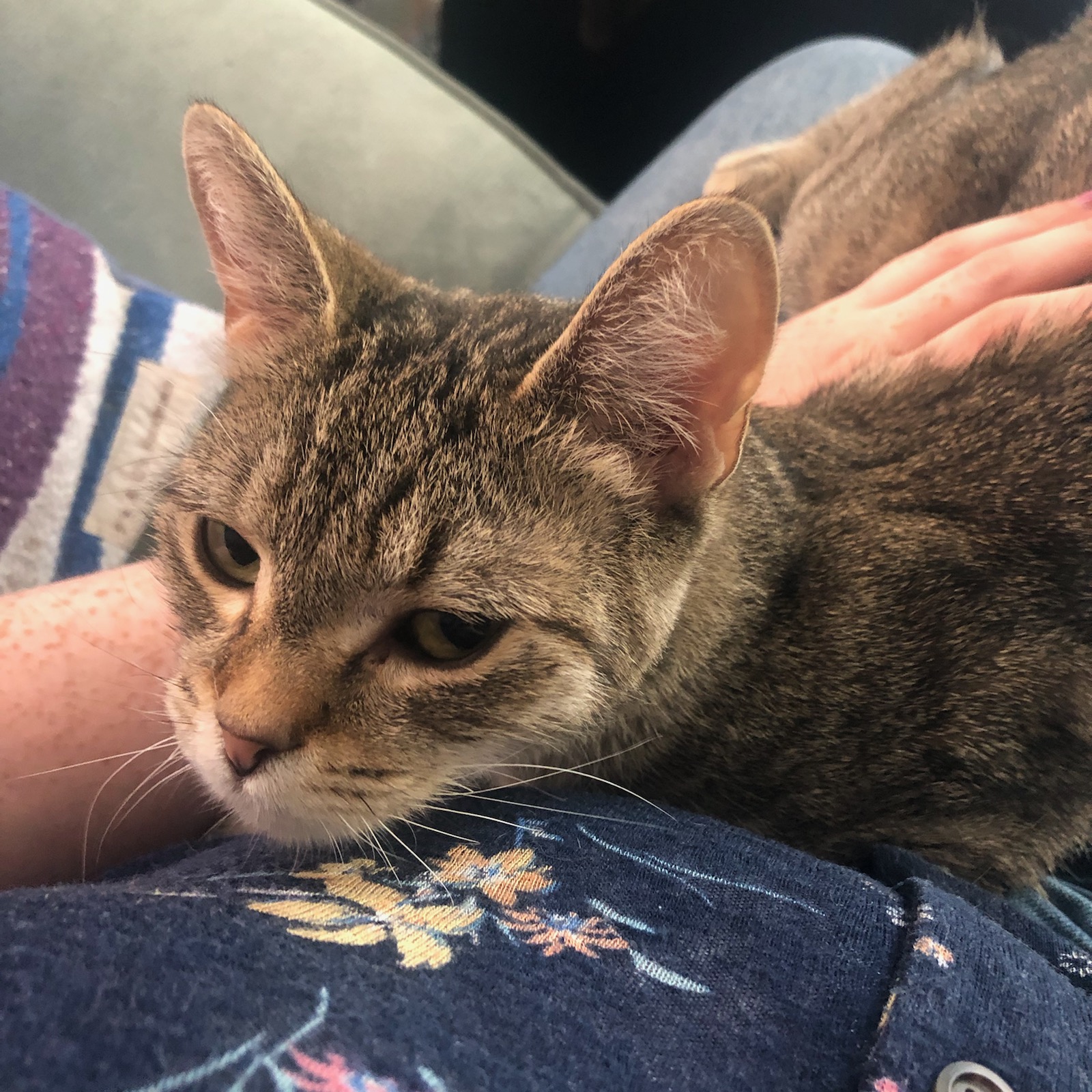
So, your kitten isn't a kitten anymore. That fuzzy, clumsy ball of yarn-chasing energy has officially hit the twelve-month mark, and suddenly, everything is different. You’ve probably noticed they’re longer, leaner, and—honestly—way more demanding. A 1 year old cat is basically the feline version of a teenager. They’ve got all the physical capabilities of an adult but absolutely none of the impulse control or "chill" you see in a five-year-old tabby.
It’s a weird transition.
One minute they're purring in your lap, and the next, they’re parkouring off your headboard at 3:00 AM because a moth exists. Most owners expect their cat to settle down once they hit that first birthday milestone. Reality check: it usually gets a bit more chaotic before it gets calm. You aren't doing anything wrong; you're just living with an adolescent predator who is currently testing every boundary you’ve ever set.
The Physical Reality of the 1 Year Old Cat
Physically, a 1 year old cat is essentially a human eighteen-year-old. They’ve reached most of their skeletal height and length, but they haven't "filled out" yet. If you look at a breed like a Maine Coon or a Norwegian Forest Cat, they won't actually be done growing for another three or four years. But for your average domestic shorthair? They are at peak athletic performance. This is why they can suddenly jump onto the top of the refrigerator when they couldn't quite make the counter two months ago.
Their metabolism is still screamingly fast.
Nutritionists at the Cornell Feline Health Center often point out that this is the exact moment many owners accidentally start the path toward feline obesity. Because a 1 year old cat is so active, we tend to keep feeding them like kittens. But their growth spurts are leveling off. If you don't transition from high-calorie kitten growth formulas to "all life stages" or adult maintenance food around now, those sleek muscles start turning into a "primordial pouch" (that belly flap) a bit too quickly.
Bones, Teeth, and Hormones
By now, those needle-sharp kitten milk teeth are long gone. They have a full set of 30 adult teeth. If you haven't started brushing them—yeah, I know, it sounds ridiculous—now is the time. Periodontal disease starts early in cats.
If they aren't spayed or neutered yet, you’re likely dealing with a nightmare of howling, spraying, or frantic attempts to escape out the front door. Hormones at twelve months are at an all-time high. Even if they were fixed months ago, some of those "teenage" behaviors persist simply because their brain is still rewiring itself.
That "Teenage" Brain: Why They’re Acting Out
Neurobiology in felines is fascinatingly similar to humans during adolescence. The prefrontal cortex—the part of the brain responsible for "maybe I shouldn't jump on the stove"—is the last thing to develop. Meanwhile, the amygdala, which handles emotions and "fight or flight," is fully online.
This results in the "zoomies."
You know the ones.
Your cat stares into the void, pupils dilate until their eyes are basically black holes, and then they launch themselves across the room at Mach 1. It’s a discharge of pent-up predatory energy. In the wild, a 1 year old cat would be spending hours every day hunting, failing, and trying again. In your living room, they’re hunting your toes under the duvet.
Dr. Mikel Delgado, a noted cat behavior scientist, often discusses how play is "mock hunting." If your cat is biting your ankles as you walk by, they aren't being mean. They’re bored. Their brain is literally craving the dopamine hit that comes from a successful hunt. If you don’t give them a "job" (like a complex feather wand session), they’ll invent their own job. Usually, that job involves Shredding Your Expensive Curtains™ or Knocking Over The Heirloom Vase™.
The Social Shift
Something else happens around the one-year mark: social maturity.
Up until now, your kitten probably loved everyone. They were a social butterfly. But as a 1 year old cat, they might start becoming more territorial or selective. This is the "inter-cat aggression" phase if you have multiple pets. They are trying to figure out where they sit in the household hierarchy.
Don't be surprised if your once-cuddly kitten suddenly wants a bit more "me time." They are asserting their independence. It’s not a snub; it’s just them becoming their own person. Er, cat.
Health Milestones You Can't Ignore
This is the age where the "kitten honeymoon" ends and real adult maintenance begins. You need to be looking for specific things now.
- Weight management. Check their "waist." When you look down at them from above, they should have a visible tuck after the ribs. If they look like a loaf of bread, it’s time to cut back on the Dreamies.
- Hydration. Cats have a low thirst drive. A 1 year old cat on a strictly dry food diet is a prime candidate for urinary tract issues later in life. Consider a fountain. Cats love moving water because their instincts tell them standing water might be contaminated.
- The First "Adult" Vet Visit. This isn't just for boosters. You want to establish a baseline for their adult weight and heart rate. Hypertrophic Cardiomyopathy (HCM) is a heart condition that can sometimes start showing early markers around this age in certain breeds.
Creating a "Yes" Environment
Since a 1 year old cat is basically a caffeinated toddler with knives on their feet, you have to manage the environment. You can’t tell a cat "no." I mean, you can, but they’ll just wait until you leave the room to do the thing anyway.
Instead, give them a "yes."
They want to climb? Give them a floor-to-ceiling cat tree so they don't use the bookshelf. They want to scratch? Get a vertical sisal post AND a horizontal cardboard scratcher. Some cats are "tree dwellers" (they want to be high up) and some are "bush dwellers" (they want to hide under the coffee table). Figure out which one your 1 year old cat is and lean into it.
I’ve found that high-intensity play followed by a meal—the "Hunt, Catch, Kill, Eat, Groom, Sleep" cycle—is the only way to get a one-year-old to settle down for the night. Use a wand toy to make them run until they are panting slightly. Then feed them dinner. Their biology will naturally trigger a "sleep mode."
Common Misconceptions About the One-Year Mark
People think that because the cat looks like an adult, they should act like one.
Wrong.
The biggest mistake is stopping the play sessions. People get busy, the cat is no longer a "cute little kitten," and we stop engaging. This leads to depression and destructive behavior. Another myth? "Cats are solitary." While they hunt alone, they are social creatures. If your 1 year old cat is incredibly destructive, they might actually be lonely. This is often the age where people consider a second cat, but be careful—introductions at this age need to be slow, using the "scent swapping" method, because that territorial instinct is now fully active.
Actionable Steps for the Next 6 Months
To get through this adolescent phase without losing your mind or your sofa, focus on these specific shifts:
- Switch to Scheduled Feedings: If you've been free-feeding (leaving a bowl out all day), stop. This prevents obesity and turns you into the "provider," which strengthens your bond.
- Vertical Space Expansion: Add a window perch. For a 1 year old cat, "Cat TV" (watching birds outside) is essential mental stimulation.
- Rotate Toys: Don't leave everything out. If they see the same toy mouse every day, it becomes "dead" prey. It’s boring. Put toys in a bin and swap them out every three days to keep the novelty high.
- Microchip Check: Ensure their chip info is up to date. This is the prime age for "adventurous" cats to slip out a door and get lost.
- Start a Routine: Cats crave predictability. Try to play with them at the same time every evening. It reduces their anxiety and lets them know when it's okay to be wild and when it's time to settle.
The "teenage" phase doesn't last forever. Usually, by the time they hit two or three, that frantic energy mellows into the dignified, nap-heavy lifestyle we associate with cats. For now, enjoy the chaos. It’s just a sign of a healthy, growing predator finding their place in your home.



