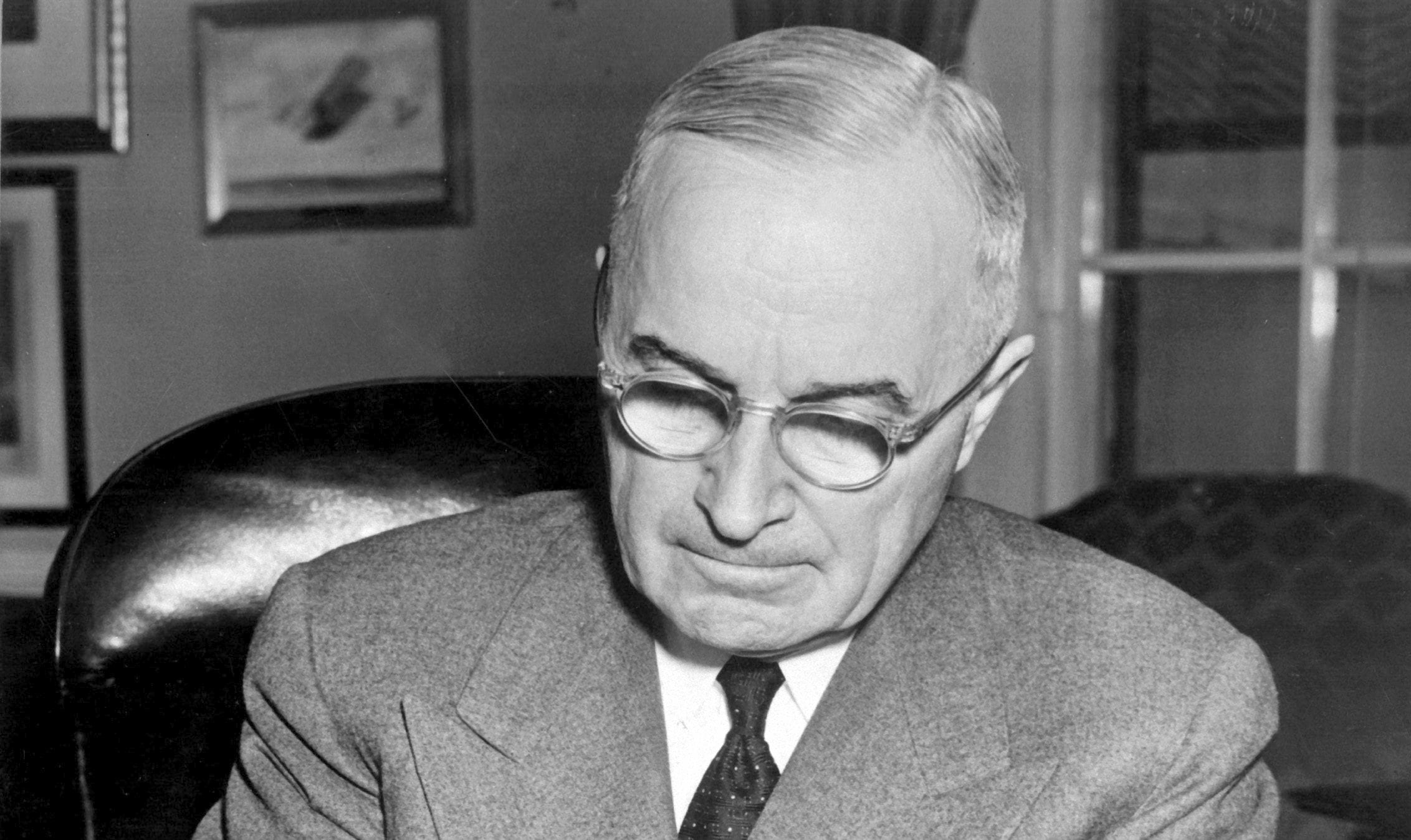
It was April 1952. The Korean War was grinding on, and Harry Truman was losing his patience. Steel workers across America were threatening to walk off the job, which meant the tanks, shells, and planes needed for the front lines wouldn't get made. So, Truman did something bold. He didn't wait for Congress. He didn't use the laws already on the books. He simply issued Executive Order 10340 and told his Secretary of Commerce, Charles Sawyer, to seize the nation's steel mills.
He basically took over a private industry with the stroke of a pen.
This move sparked Youngstown Sheet & Tube Co. v. Sawyer, arguably the most important Supreme Court case regarding presidential power in American history. People usually call it the "Steel Seizure Case," but the name belies the massive constitutional stakes. It wasn't just about steel; it was about whether a President can do whatever they want during a crisis just by claiming "emergency powers."
Why the Steel Seizure Case Still Keeps Lawyers Up at Night
If you ask a constitutional scholar about the limits of the White House, they won't start with the Constitution itself. They’ll start with Justice Robert Jackson’s concurring opinion in this case.
Truman thought he had the authority because he was the Commander in Chief. He argued that a strike would jeopardize the war effort, making the seizure a military necessity. The steel companies, led by Youngstown Sheet & Tube, obviously disagreed. They sued immediately. They argued that the President was making law, not just enforcing it. That's a job for Congress.
The Supreme Court moved at lightning speed. Within weeks, they handed down a 6-3 decision that told Truman he’d overstepped. Justice Hugo Black wrote the majority opinion, which was pretty straightforward: the President’s power must stem from an act of Congress or the Constitution itself. Since Congress had actually refused to authorize seizures when they passed the Taft-Hartley Act in 1947, Truman was out of luck.
The Three Pillars of Presidential Power
While Hugo Black wrote the "official" opinion, Justice Jackson’s concurrence is what actually gets cited in courts today. He created a three-part framework—sorta like a legal sliding scale—to figure out if a President is acting legally.
- Maximum Power: This is when the President acts with the express or implied authorization of Congress. If both branches agree, the President's authority is at its highest "ebb."
- The "Zone of Twilight": This is the murky middle. It's when Congress is silent. The President acts, but there’s no law saying he can or can't. Here, the legality often depends on the "imperatives of events" rather than legal abstracts.
- Lowest Ebb: This is where Truman landed. The President acts in direct defiance of what Congress wants. In this scenario, the President can only rely on his own constitutional powers minus whatever powers Congress has over the matter. It's a very weak position to be in.
Honestly, it’s a brilliant way to look at it. It acknowledges that the world is messy and that the balance of power shifts depending on who is talking to whom.
Common Misconceptions About Youngstown Sheet & Tube Co. v. Sawyer
A lot of people think this case means the President can't take over industries. That's not quite right. It means the President can't do it alone. If Congress had passed a law saying "Truman can seize the mills," the Court probably would have let him do it.
Another big mistake? Thinking this case only applies to wartime.
We see Youngstown Sheet & Tube Co. v. Sawyer pop up in modern debates all the time. Whether it’s student loan forgiveness, border wall funding, or vaccine mandates, lawyers on both sides are constantly trying to figure out which of Jackson’s three categories the President falls into. If a President tries to bypass a gridlocked Congress, the ghost of the 1952 steel strike is always in the room.
What Really Happened Behind the Scenes?
Truman was furious. He felt he was being treated like a schoolboy. He genuinely believed that if the mills shut down, American soldiers would die. But the Court was worried about the long game. If they let Truman seize the mills because of a war in Korea, what would stop a future President from seizing a newspaper because of a "national emergency" or taking over a bank because of an "economic crisis"?
The Court chose to protect the structure of the government over the immediate needs of the Korean War. It was a brave move, especially considering Truman had appointed four of the justices on that bench. Even his "own guys" voted against him.
The Lasting Legacy of the Steel Seizure
The decision forced the strike to happen. The United Steelworkers went on strike for 53 days. Interestingly, the world didn't end. The strike eventually settled, production resumed, and the constitutional guardrails remained intact.
This case serves as a permanent "No" to the idea of inherent executive power that exists outside the law. It reminds us that "Commander in Chief" isn't a magical phrase that turns a President into a king.
How to Apply This Knowledge Today
Understanding this case isn't just for law students. It helps you cut through the political noise whenever a new Executive Order hits the news cycle.
- Look at Congress: Is there a law that supports the President’s action? If yes, they are likely in Category 1 (Safe).
- Check for silence: If Congress hasn't said anything, we are in the Zone of Twilight. This is where most of the legal drama happens.
- Look for conflict: If Congress explicitly said "don't do this" (like they did with the Taft-Hartley Act), the President is in Category 3. They will almost certainly lose in court.
To dive deeper into how this affects current events, you should read the full text of Justice Jackson's concurrence in Youngstown Sheet & Tube Co. v. Sawyer. It's surprisingly readable and much more conversational than your average legal document. You can also look up the Dames & Moore v. Regan (1981) case to see how the Supreme Court used the "Zone of Twilight" to settle a massive dispute involving Iran. Understanding these precedents makes you a much sharper observer of how power actually functions in Washington.