Imagine being thirteen. Most kids that age are worried about algebra tests, awkward growth spurts, or whether their crush noticed their new shoes. Jordan Romero wasn't doing that. On May 22, 2010, at the age of 13 years, 10 months, and 10 days, this kid from Big Bear Lake, California, stood on top of the world. He became the youngest person to summit Mount Everest, and honestly, the climbing world hasn't really been the same since.
It wasn't just a "cool hike." It was a massive international controversy. People were calling it child abuse. Others were hailing him as a hero for "active youth." But the reality of how a middle-schooler ended up at 29,029 feet is a lot more complicated than just a gutsy kid and a pair of crampons.
The Record That Will Probably Never Be Broken
Records are meant to be broken, right? Well, maybe not this one.
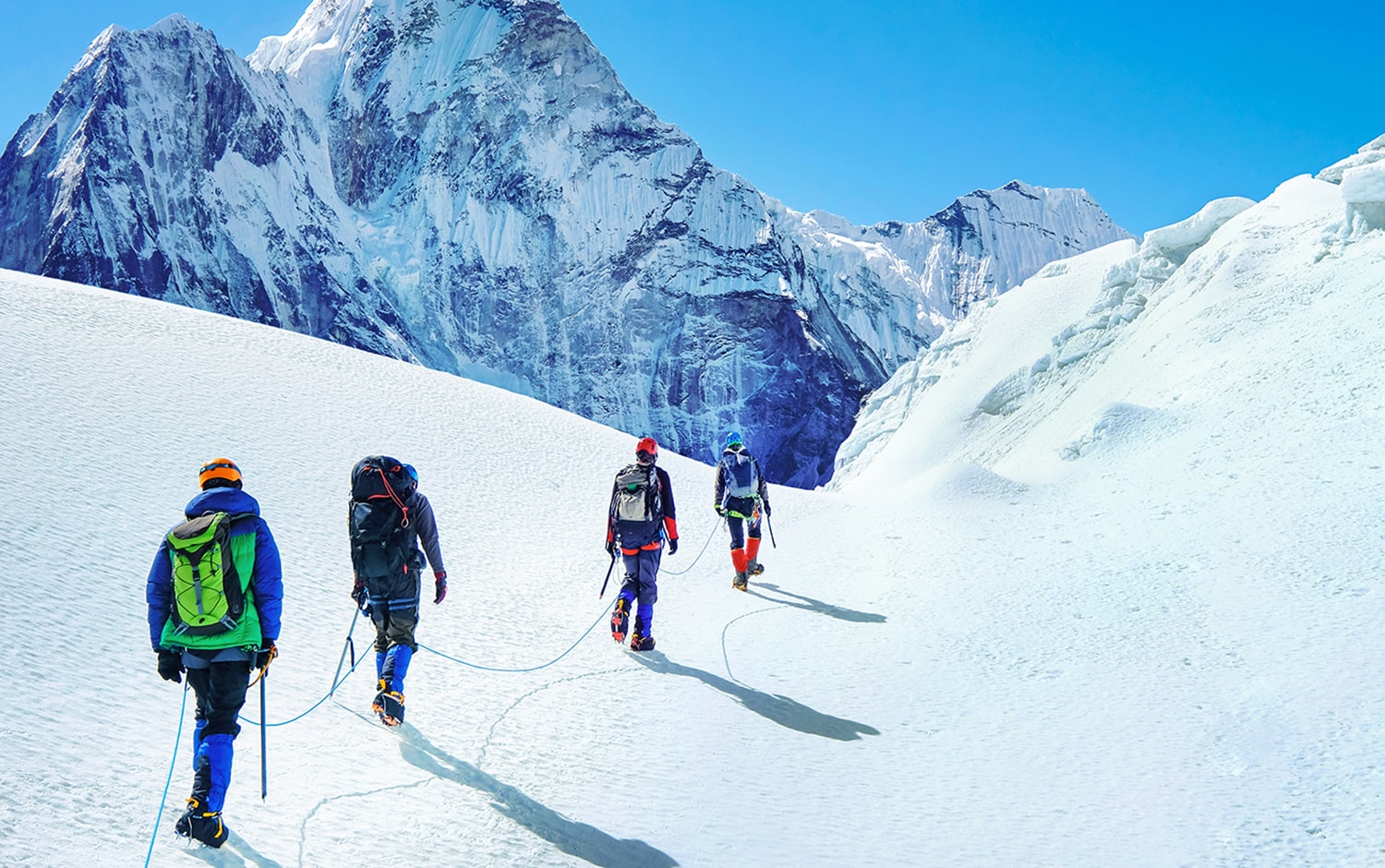
Jordan Romero’s ascent basically forced the hand of the authorities. Before he climbed, Nepal already had a minimum age of 16 for Everest permits. But China, which controls the North Face in Tibet, didn't have a hard rule back then. Jordan and his team—which included his father Paul Romero, his stepmother Karen Lundgren, and three incredible Sherpas (Ang Pasang, Lama Dawa, and Lama Karma)—simply went through the Tibet side to bypass the age limit.
After the backlash from Jordan's climb, China tightened its belt. They introduced an age limit of 18 (though sometimes they’ll bend it to 17 with a doctor’s note). Since Nepal is still holding firm at 16, it is almost legally impossible for anyone younger than 13 to even get a permit today. Unless a country decides to suddenly ignore safety protocols, Jordan's name is likely staying at the top of that list for the foreseeable future.
The Girl Who Almost Beat Him
Just four years later, in 2014, Malavath Poorna from India nearly snatched the title. She was 13 years and 11 months old—just one month older than Jordan—when she reached the summit. Her story is arguably even more wild. She grew up in a tiny village in Telangana, the daughter of agricultural laborers. She hadn't even seen a mountain until eight months before her climb.
While Jordan had the backing of a high-tech California mountaineering family, Poorna was part of a government-sponsored program for underprivileged students. She climbed the North Face, just like Jordan, and saw the bodies of fallen climbers along the way. She didn't blink. She just kept going.
The Physical Reality of a 13-Year-Old at 8,000 Meters
Let’s be real for a second. The "Death Zone" (anything above 8,000 meters) is a place where the human body is literally dying. The air is so thin that your cells aren't getting enough oxygen to repair themselves. For an adult, it's a nightmare. For a child whose bones haven't even finished fusing? It’s a physiological gamble.
Critics like David Hillebrandt, a medical advisor for the British Mountaineering Council, weren't just being "haters." They were genuinely worried about permanent brain damage or stunted growth. At that altitude, your blood thickens. The risk of High-Altitude Cerebral Edema (HACE)—where your brain swells—is massive.
Jordan’s dad, Paul, was a paramedic, which definitely helped. They didn't just wing it. Jordan slept in a high-altitude tent for months before the trip to "pre-acclimatize" his body to low oxygen levels. He was also a big kid for his age—around 5'10" and 165 lbs at the time—which meant he wasn't exactly a tiny toddler trekking through the snow. He was built like an athlete.
Why Do People Get So Angry About It?
The "Age Debate" on Everest usually boils down to one question: Can a 13-year-old truly give informed consent to risk their life?
If a kid wants to play football, there’s a risk of a concussion. If they want to race go-karts, they might crash. But Everest has a way of killing the best experts in the world without warning. An avalanche doesn't care how many pull-ups you can do.
The "spirit of mountaineering" is another sticking point. Purists argue that kids like Jordan are "token passengers." They claim the Sherpas do all the heavy lifting—fixing the ropes, carrying the oxygen, setting the tents—so the kid just has to walk. But honestly, you could say that about almost any commercial climber on Everest these days. Walking at 29,000 feet is still walking at 29,000 feet. No one is carrying you up.
The Mural That Started It All
Jordan didn't just wake up and decide to climb Everest because he wanted to be famous. It started with a mural in his elementary school hallway that showed the "Seven Summits"—the highest peak on every continent. He told his dad, "I want to climb those."
By the time he hit Everest, he had already checked off:
- Mount Kilimanjaro (Africa) at age 10.
- Mount Elbrus (Europe) and Aconcagua (South America) at age 11.
- Denali (North America) at age 12.
- Carstensz Pyramid (Oceania) at age 13.
He finished the list in 2011 by summiting Vinson Massif in Antarctica. He’s the youngest person to complete the Seven Summits, too. It was a five-year project, not a weekend whim.
What Happened to Them?
You’d think after climbing Everest at 13, life would be a bit of a letdown. But both Jordan and Poorna have stayed pretty grounded.
Jordan Romero didn't turn into a reality TV star. He wrote a book (No Summit Out of Sight), did some speaking tours, and then mostly settled into a life of outdoor advocacy. He’s into "Find Your Peak" initiatives, trying to get kids to put down the iPads and get outside. He doesn't necessarily recommend that every 13-year-old try Everest, though. He’s been very vocal about how much preparation it took.
Malavath Poorna's achievement triggered what people call the "Poorna Effect" in India. In her community, child marriage rates actually dropped. Parents saw what she did and realized their daughters could be world-class athletes instead of being married off at 14. She’s since completed the Seven Summits herself, finishing with Denali in 2022. She studied political science and has become a massive symbol for women’s empowerment.
Practical Takeaways for the "Next Jordan"
If you're reading this and thinking about training your kid for a record-breaking summit, here is the "vibe check" you need:
- Legality is the First Wall: You can't just buy a ticket. As of 2026, the age limits in Nepal (16) and Tibet (18) are strictly enforced. Trying to "sneak in" a younger climber usually results in a lifetime ban from the mountain.
- Preparation > Passion: Jordan trained for four years before Everest. He had a paramedic for a father and professional guides. This wasn't a "wish upon a star" moment; it was a military-grade operation.
- The "Why" Matters: Most successful young climbers are self-driven. If the parent is the one pushing the dream, the mountain usually finds a way to break the climber.
- Consider the "Small" Peaks First: Kilimanjaro has a minimum age of 10, but it’s a non-technical walk. It’s the perfect "litmus test" to see if a young person’s lungs can actually handle 19,000+ feet before you invest $50,000 in an Everest expedition.
The story of the youngest person to summit Mount Everest isn't really about a record. It’s about the shift in how we view "extreme" sports and youth. Whether you think it’s inspiring or reckless, you can’t deny the sheer mental toughness it takes for a 13-year-old to step over frozen bodies and keep climbing toward the sky.
If you are looking to get into mountaineering—at any age—start by joining a local alpine club and mastering basic technical skills like self-arrest and knot-tying before even looking at a flight to Kathmandu. Build a foundation of high-altitude experience on 6,000-meter peaks like Island Peak or Mera Peak first. Respecting the mountain is more important than breaking a record.