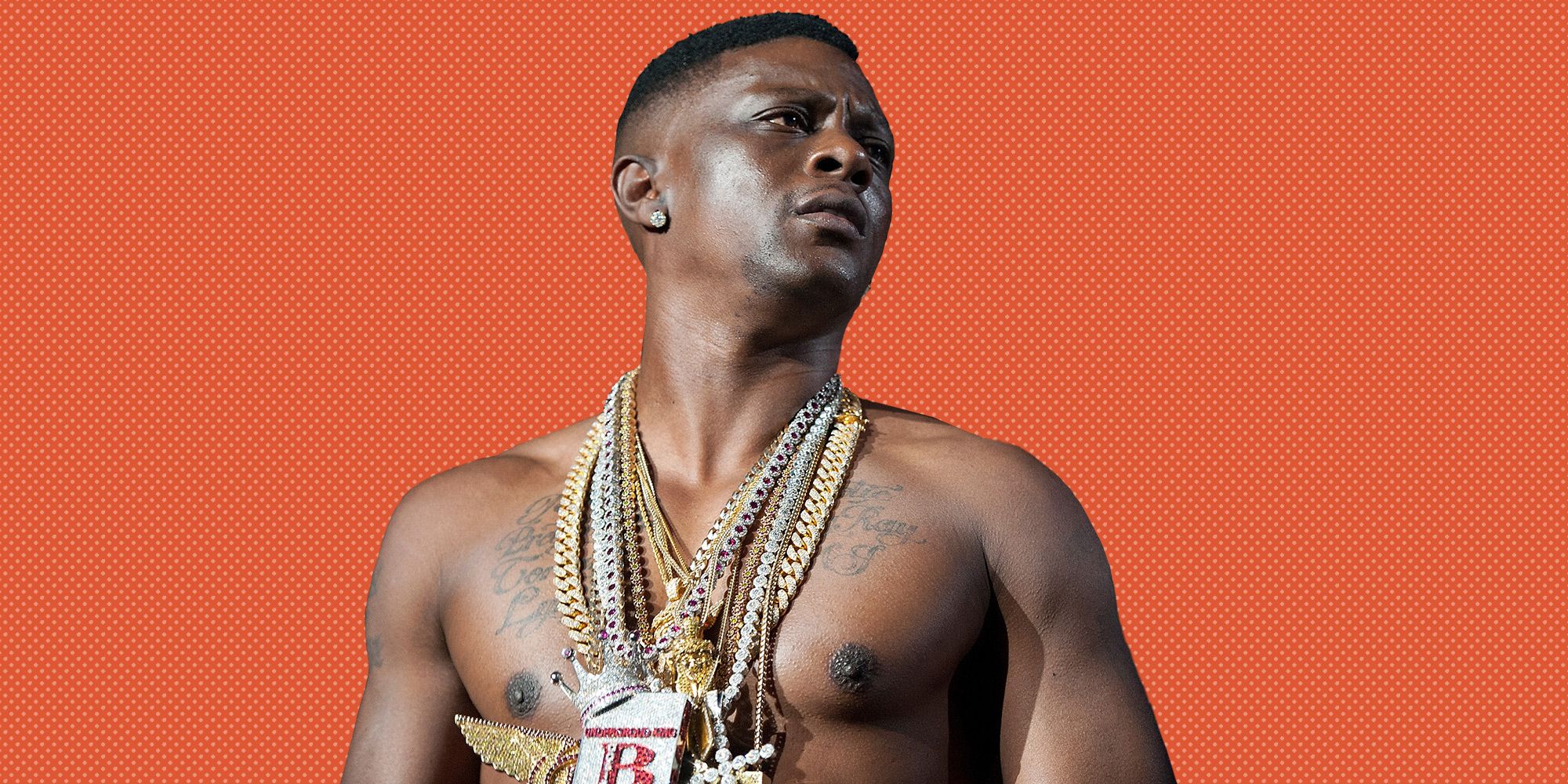
Before the massive "Free Boosie" movement, before the viral Instagram rants, and long before he became a household name in Southern hip-hop, there was just a 17-year-old kid from Baton Rouge named Torrence Hatch. Most people today know him as Boosie Badazz. But back in 2000, he was simply the "Youngest of da Camp."
Honestly, if you go back and listen to that first project now, it’s like looking at a grainy, black-and-white photo of a future legend. You can hear the hunger. You can hear the squeaky, high-pitched flow that would eventually become one of the most recognizable voices in the history of the genre.
He wasn't polished. He wasn't rich. He was just a teenager trying to survive the streets of Louisiana with nothing but a microphone and a story to tell.
The Baton Rouge Blueprint
In the late 90s, Baton Rouge wasn't exactly the global rap mecca it is today. Back then, the city’s sound was being forged by a collective known as Concentration Camp. This wasn't a solo act; it was a movement. Led by his cousin C-Loc, the group featured heavy hitters like Max Minelli, Young Bleed, and Donkey.
Boosie was the baby of the bunch. He joined at 14. Think about that for a second. While most of us were worried about ninth-grade algebra, he was in the studio with grown men, learning how to structure bars and command a beat.
Youngest of da Camp officially dropped on January 26, 2000, via C-Loc Records. It wasn't some major-label blockbuster. It sold about 10,000 copies initially. By today’s streaming standards, that sounds tiny. But in the year 2000, in the independent Southern rap scene, that was a massive statement. It was proof that people were actually listening to what this kid had to say.
A Sound Born in the South
The production on this album is pure Louisiana. Happy Perez—who later went on to work with everyone from Miguel to Frank Ocean—handled a huge chunk of the beats. You also had Russ Lee and C-Loc himself behind the boards.
The sound is distinct. It’s got that signature "jiggin" energy but with a much darker, grittier edge. Tracks like "It’s Goin Down" and "That Night" weren't just songs; they were reports from the front lines of South Baton Rouge.
Key Tracks You Need to Revisit:
- "My Life": This is where you see the "modern bluesman" Boosie starts to emerge. He’s talking about his father’s death and the struggle of growing up in poverty. It’s raw.
- "Feel Lucky": Featuring Max Minelli, this track showed that Boosie could hold his own next to the veteran lyricists of the Camp.
- "Boosie II (Don’t Forget It)": A sequel to a track from C-Loc's album, this solidified his identity. He wasn't just a guest feature anymore.
What Most People Get Wrong About This Era
There’s a common misconception that Boosie just "appeared" when he signed to Trill Entertainment and Pimp C took him under his wing. That’s not how it happened. Youngest of da Camp was the foundation.
Without the success of this independent debut, the Pimp C connection might never have happened. This album caught the attention of the late UGK legend. Pimp C saw the same thing C-Loc saw: a kid with an unbelievable work ethic and a voice that pierced through the noise.
The album also featured that iconic Pen & Pixel artwork. If you know, you know. The diamond-encrusted letters, the flashy cars, the over-the-top graphics—it was the visual language of Southern rap at the time. It looked like a No Limit or Cash Money cover, which helped it stand out on the shelves of local mom-and-pop record stores.
The Evolution to Boosie Badazz
When you compare Youngest of da Camp to his later works like Bad Azz or Touch Down 2 Cause Hell, the differences are wild.
On the debut, his voice is noticeably higher. He’s faster, almost breathless at times. By the time he became Boosie Badazz, his delivery slowed down. He became more calculated. He learned how to use silence and emotion as much as he used words.
But the DNA is the same. The loyalty to his city, the "keep it real" mentality, and the refusal to sugarcoat the struggle—all of that started with those 15 tracks in 2000.
Why You Should Still Care in 2026
Hip-hop moves fast. A lot of albums from 25 years ago feel like museum pieces. They’re "important" but not necessarily fun to listen to. Youngest of da Camp is different because it feels like a time capsule.
It captures a specific moment in Louisiana history before Hurricane Katrina, before the digital era changed how music is distributed. It’s a reminder that great artists aren't born overnight. They are built through years of independent grinding, small-town fame, and local support.
If you’re a fan of the new generation of Louisiana rappers—guys like NBA YoungBoy or Fredo Bang—you owe it to yourself to go back to this project. You’ll hear the blueprints for their entire careers in Boosie’s early verses.
To really appreciate the journey of Torrence Hatch, you have to start at the beginning. Youngest of da Camp isn't just a debut album; it's the origin story of a Southern icon. It proved that a kid from the bottom could speak his truth and make the whole world listen.
Next Steps for the Super-Fan:
- Listen to the original 2000 press: If you can find a copy of the original C-Loc Records release, do it. The mixing has a specific "hand-made" feel that modern remasters sometimes lose.
- Watch the old "Concentration Camp" videos: There are rare clips on YouTube from this era that show Boosie as a teenager. Seeing the visual contrast between then and now is mind-blowing.
- Trace the production: Look up Happy Perez’s early credits. Seeing how he evolved from these gritty Baton Rouge beats to Grammy-winning pop and R&B production is a masterclass in musical growth.