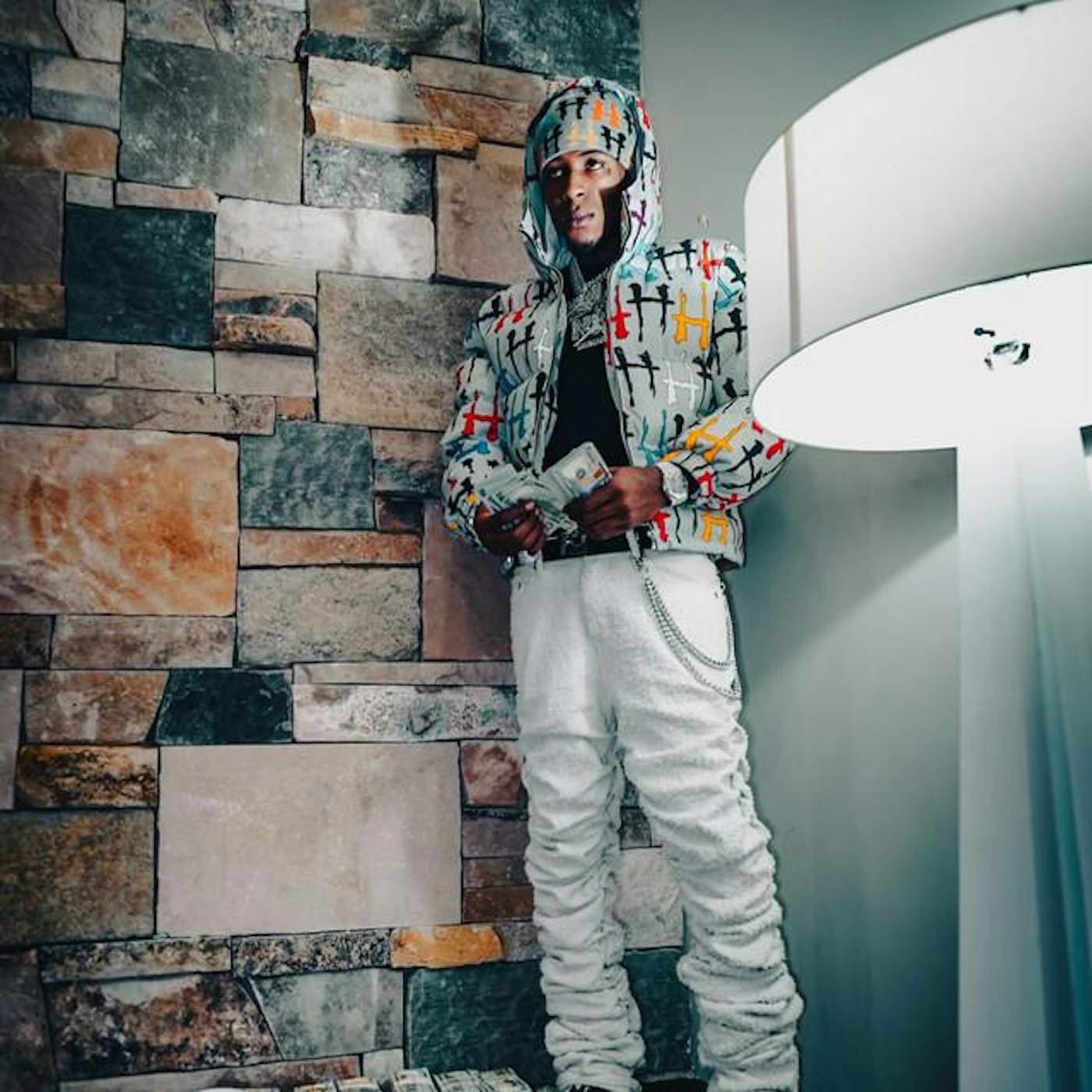
Let's be real for a second. Most rappers treat an album like a curated gallery—ten or twelve tracks, perfectly polished, designed to fit into a specific playlist niche. Then there’s Kentrell Gaulden. When YoungBoy Never Broke Again The Last Slimeto hit the streets in August 2022, it didn't just drop; it flooded the gates. We’re talking 30 tracks. Eighty minutes of raw, unfiltered emotion that felt less like a commercial product and more like a final, defiant middle finger to the traditional record label system.
Honestly, if you were looking for a tight, conceptual "entry point" to YB’s discography, this probably wasn't it. Critics at the time, like those over at Pitchfork, called it "overwhelming." And they weren't exactly wrong. But for the fans? For the people who live and breathe the NBA movement? It was a feast. It was the sound of a man finally seeing the light at the end of a very long, very restrictive tunnel.
The Breakup Album Nobody Saw Coming
You’ve gotta understand the context to appreciate why this record feels the way it does. This wasn't just another release in a prolific run. It was the grand finale of his contract with Atlantic Records. For years, the tension between YoungBoy and the label was public, messy, and loud. He spent months leading up to the release dissing the higher-ups and warning other artists to stay away from major deals.
When he posted on Instagram that he "really don't care about this being my last album" because he finally "completed something," you could feel the weight lifting. He didn't finish school. He’d had countless legal interruptions. But he finished this. YoungBoy Never Broke Again The Last Slimeto became his 10th top 10 entry on the Billboard 200, debuting at No. 2 with over 108,000 units moved in the first week.
That’s wild when you think about it. Most of the industry was trying to figure out how to "contain" him, yet he was outselling almost everyone while stuck on house arrest in Utah.
Recording in Teslas and Garages
There’s a specific grit to the production on this project that you don't get from big-budget studio sessions. Jason "Cheese" Goldberg, the engineer who has basically become the architect of the modern YB sound, recorded the whole thing at YoungBoy's home. They weren't in some soundproof booth in Los Angeles. They were in the garage. They were on the patio looking at the mountains.
There’s even a story about "Umm Hmm" being recorded inside his Tesla. You can hear that spontaneity in the delivery. It’s "anaerobic bursts of unstructured venting," as The Ringer put it. One minute he’s screaming with a "teeth-gnashing" aggression on "Free Dem 5’s," and the next, he’s hitting those high, melodic notes on "I Know" that make him sound like a gutter-gospel preacher.
The Guest List (Quality Over Quantity)
YB usually keeps his circle tight, but he opened the door for a few heavy hitters here:
- Kehlani on "My Go To": A collab basically nobody expected, but her smooth vocals balanced out his rough edges perfectly.
- Rod Wave on "Home Ain't Home": This one was inevitable. Two of the biggest "pain music" pioneers on one track? It’s basically a requirement for a sad-boy summer.
- Quavo on "Don't Rate Me": A bit of a more traditional "rap" moment that showed YB could still play the industry game if he felt like it.
Why the 30-Track Length Actually Matters
A lot of people complained that the album was too long. "It caves under its own duration," some said. But here’s the thing: YoungBoy doesn't make music for the casual listener who wants a 3-minute TikTok hit. He makes music for the people who want to hear the play-by-play of his life.
The 30 tracks represent the sheer volume of what he had to say before he walked away from his contract. It includes the "Sampler" tracks he teased months earlier and the massive diss track "I Hate YoungBoy," which targeted Lil Durk and half the industry. By the time you get to the end of those 80 minutes, you aren't just listening to an album. You're sitting through a marathon session of his therapy.
Practical Takeaways for the Listener
If you’re trying to navigate this massive project for the first time or just want to revisit the highlights, don't try to digest it all at once. It's built in segments.
- Start with the Melodic Core: Listen to "I Know," "Loner Life," and "Wagwan." These show his ability to blend pop-leaning melodies with deeply personal lyrics about isolation.
- Feel the Aggression: Go straight to "Umm Hmm," "Digital," and "Fuck Da Industry." This is the high-octane energy that defined his early career.
- Check the "Sampler" Cuts: Tracks like "Vette Motors" and "Mr. Grim Reaper" were the commercial pillars of the rollout for a reason—they’re the most polished.
- Understand the Legal Context: Keep in mind that he was found not guilty in a major federal firearms case right before this dropped. That "invincible" feeling you hear in his voice? It’s real.
This album wasn't just a collection of songs; it was the closing of a chapter. It marked his transition from a "label artist" to a true free agent. Whether you think it's his best work or just a chaotic dump of music, you can't deny the impact. He walked away from Atlantic as the only artist in 2022 to land three new top 10 records. He didn't just finish the contract; he dominated it on his way out the door.
To get the full experience, listen to the album in the order it was intended, but pay close attention to the transition between the aggressive first half and the more vulnerable closing tracks. This structure mirrors the duality of his public persona: the untouchable superstar and the isolated kid from Baton Rouge.



