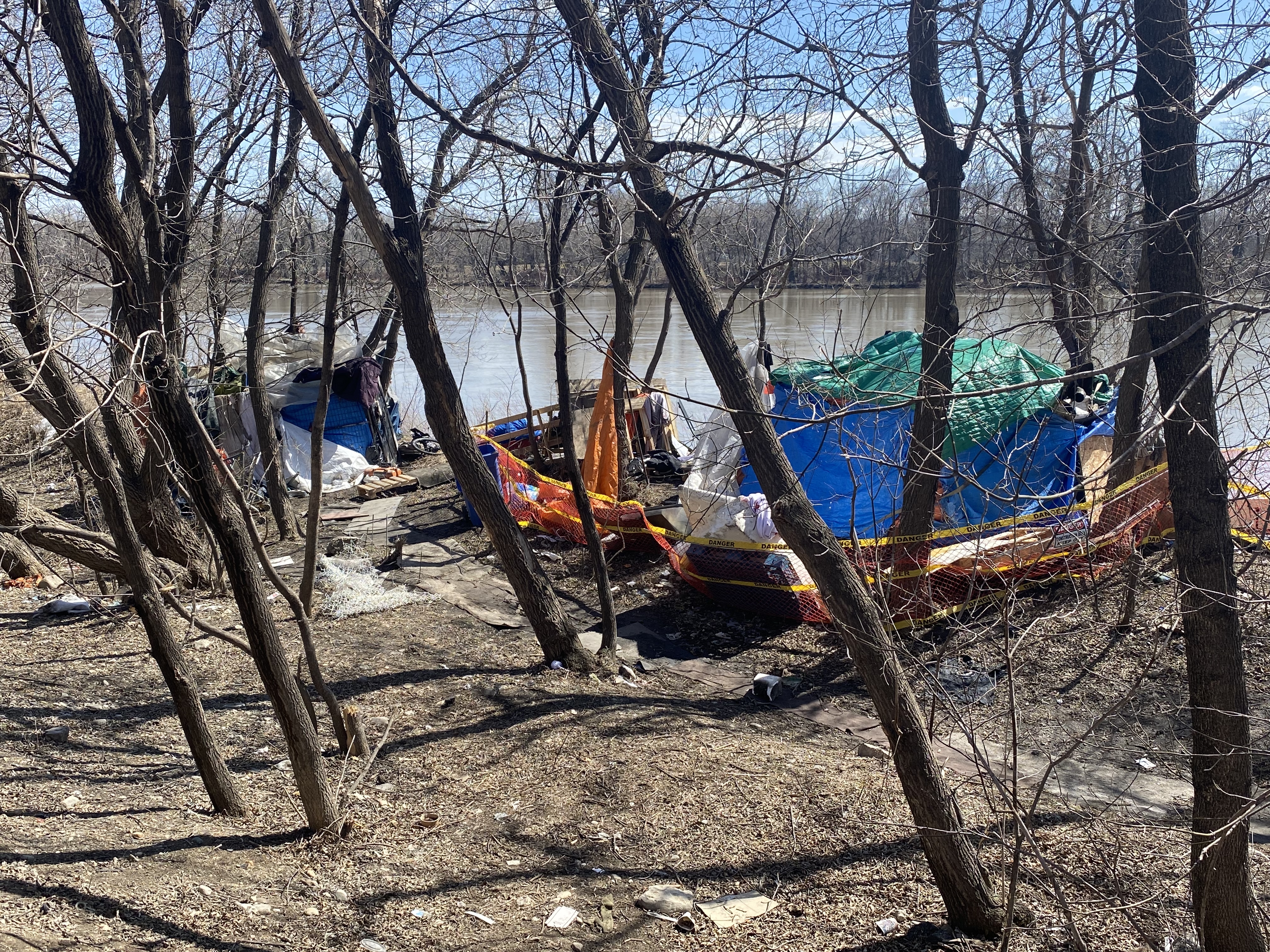
Winnipeg is finally changing how it handles homeless encampments. For years, the city played a frustrating game of whack-a-mole with tents in parks and under bridges. Officials would clear a site, and the same group would pop up three blocks away two days later. It was expensive, it didn't help the people living there, and it drove neighbors crazy. This summer, things are supposed to be different. The City of Winnipeg says its new encampment strategy will focus on long-term housing rather than just moving people around. It's a bold claim. If you've lived here long enough, you're probably skeptical. But the details suggest this isn't just another layer of bureaucracy.
Why the Old Way Failed Winnipeg So Badly
The previous approach was basically a cycle of displacement. Police or bylaw officers would arrive, tell people to pack up, and dispose of whatever was left behind. It cost taxpayers a fortune in labor and disposal fees. More importantly, it broke the fragile trust between outreach workers and the unhoused population. When you take someone’s tent and ID, they don't suddenly find a home. They just get more desperate.
Social agencies like Main Street Project and Siloam Mission have been screaming this for a decade. You can't enforce your way out of a housing crisis. The city seems to have finally listened. This new policy marks a shift toward "low-barrier" support. Instead of leading with a badge, the city wants to lead with a social worker. It sounds soft to some, but it's actually the more practical, data-driven choice.
What the New Strategy Really Looks Like
The core of the plan involves a coordinated response team. This isn't just a fancy name. It's a group that includes city staff, the Winnipeg Fire Paramedic Service, and community organizations. They’re using a triage system now. When an encampment is reported, the team assesses the risk level. Is there a fire hazard? Is it blocking a main sidewalk? Is it near a school?
If the risk is low, the city won't just rush in with a bulldozer. They'll let outreach teams work with the residents to find a better spot or, ideally, a bed in a transitional housing unit. They’re prioritizing high-risk sites—places where propane tanks and open flames pose a legitimate threat to life.
Specific changes you’ll see this summer:
- A centralized database to track where people are and what they need.
- More funding for "wraparound" services that follow a person after they leave a tent.
- Clearer guidelines on what makes a site "unsafe" versus just "unsightly."
It’s about being surgical instead of using a sledgehammer. The city is betting that if they treat people like citizens instead of nuisances, they’ll have better luck getting them into the system.
The Reality of Temporary Structures and Fire Safety
Let's talk about the big elephant in the room: fire. Winnipeg winters are brutal, but summer brings its own set of dangers. Grass fires and accidental tent fires are a massive drain on emergency resources. Last year, the city saw a spike in calls related to encampment fires.
The new policy doesn't give a free pass to dangerous behavior. If a site is a fire trap, it’s gone. But the difference now is the "why" and the "how." The fire department is being trained to view these sites through a lens of harm reduction. They’re looking for ways to make sites safer while people wait for housing, rather than just declaring everything a hazard to justify an eviction.
It’s a tightrope walk. You have to balance the safety of the people in the tents with the safety of the surrounding neighborhood. Critics argue that allowing any encampment to stay "validates" homelessness. That’s a narrow way to look at it. The city isn't saying encampments are good; they're saying they exist, and ignoring them or moving them every week doesn't make them disappear.
Where the Money and Housing Units Are Coming From
A policy is just paper without money. The city has set aside millions to back this up, but the real heavy lifting comes from the provincial and federal levels. We’ve seen a recent influx of cash for "tiny home" villages and converted hotels.
The 17-unit housing project on Pacific Avenue and the developments led by groups like End Homelessness Winnipeg are the real endgames here. The encampment policy is essentially a bridge. It keeps people alive and connected to services until those doors open.
If those doors don't open fast enough, the policy will fail. It’s that simple. You can have the best outreach team in the world, but if they have nowhere to take people, the tents will stay. The city is banking on the fact that several new supportive housing projects are slated to come online this year. That’s the "impact" they’re promising for this summer.
Challenges the City Won't Admit Publicly
There are plenty of holes in this plan. First, there’s the NIMBY (Not In My Backyard) factor. When the city decides a low-risk encampment can stay in a local park for a few extra weeks while workers find housing for the residents, neighbors will lose their minds. The political pressure on city councilors to "just clean it up" will be intense.
Second, the staff are burnt out. Outreach workers in Winnipeg are underpaid and overworked. Expecting them to solve a systemic crisis with a new set of city guidelines is a lot to ask. If the city doesn't protect the people doing the work, the whole system will crumble by August.
Finally, there’s the issue of "hidden homelessness." For every tent you see in a park, there are five people sleeping in cars or on couches. This policy focuses on the most visible people, but it doesn't necessarily address the root causes of why people ended up in those tents in the first place.
How to Track If This Is Actually Working
Don't listen to the press releases. If you want to know if this policy is making an impact, look for these three things:
- Reduced "cycling" of the same encampments between the same three parks.
- A decrease in fire-related emergency calls to the same geographic areas.
- The actual number of people moved into permanent housing with support services.
If we see a drop in the number of high-profile evictions but a steady or increasing number of people in stable housing, the policy is a success. If it’s just fewer tents because they’ve been pushed into the woods where we can't see them, it’s a failure.
Keep an eye on your local community centers. The city is planning to use some public spaces for more direct engagement. If you see outreach vans parked more frequently and fewer police cruisers, that's the policy in action. This summer is the trial run. If the city can't show progress by the time the first frost hits in September, they'll likely revert to the old, failed ways of just clearing the streets.
Get involved by attending your neighborhood association meetings and asking for specific metrics on the "coordinated response." Push for transparency on how many people are actually getting keys to apartments, not just a ride to a different shelter. The city has made a big promise. Now it's time to see if they can actually deliver.