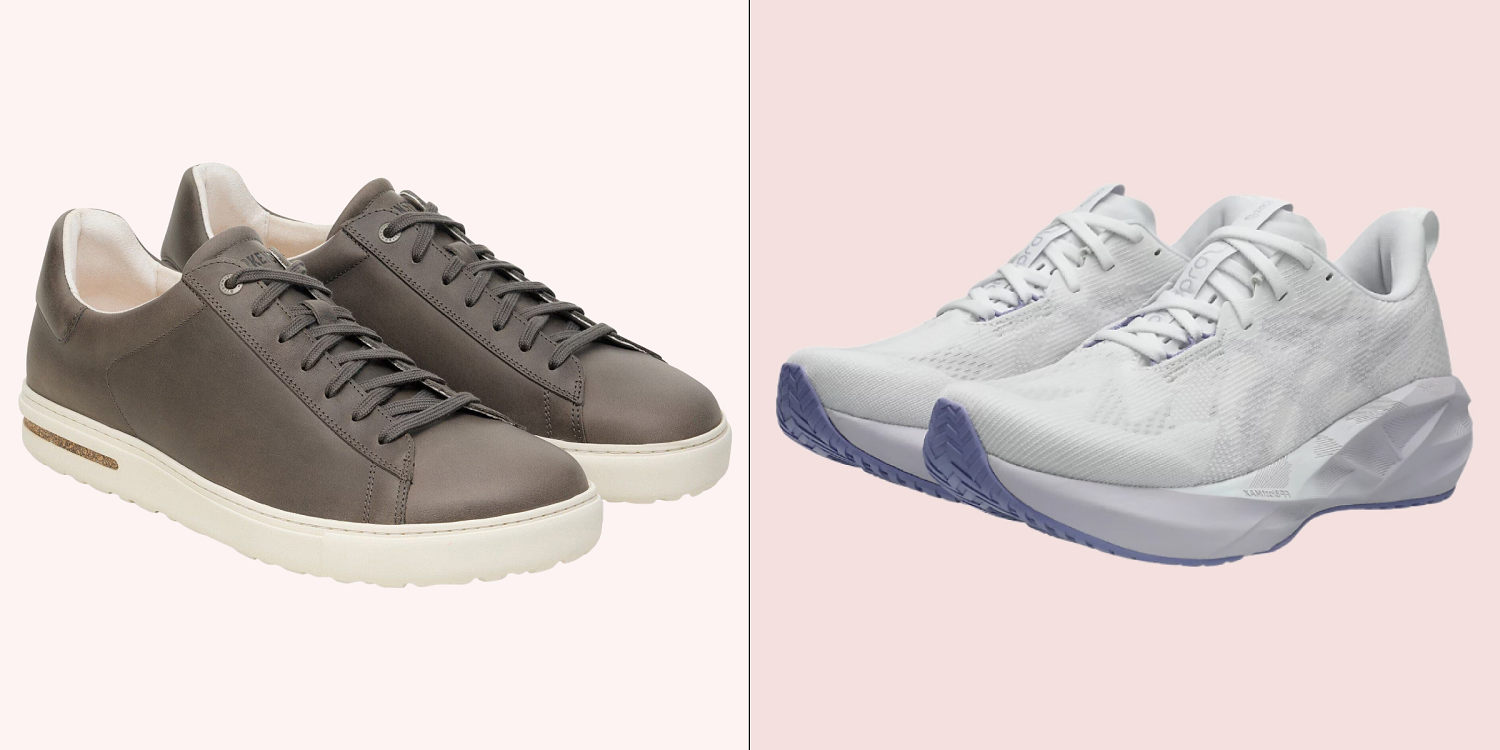
The modern shoe industry is facing a quiet, structural reckoning. For decades, major footwear brands built an empire on a foundational lie: that the human foot requires a narrow, heavily cushioned container to function properly. Now, the market is flooding with products claiming to fix the damage. Consumers have grown tired of chronic foot pain, bunions, and alignment issues, driving a massive surge in demand for wide toe box shoes. The primary issue is that simply widening a standard shoe does not solve the underlying anatomical crisis.
Most major manufacturers treat a wide toe box as a mere sizing extension. They add a few millimeters of fabric across the widest part of the foot while keeping the underlying mold tapered and restrictive. To achieve genuine comfort and structural health, a shoe must be anatomically foot-shaped, allowing the big toe to remain completely straight and the other toes to splay naturally under load. True anatomical design requires a fundamental overhaul of how shoes are engineered from the ground up, a reality that standard athletic brands are desperate to obscure behind marketing buzzwords.
The Biomechanical Failure of Mass-Market Footwear
To understand why standard footwear fails, one must examine the baseline mechanics of human locomotion. The foot is a complex architectural masterpiece consisting of 26 bones, 33 joints, and over a hundred muscles, tendons, and ligaments. When a human takes a step, the foot expands both longitudinally and laterally. The big toe acts as the primary stabilizer, anchoring the internal arch and preventing the foot from collapsing inward.
Standard footwear aggressively disrupts this mechanism. By tapering the toe box, conventional shoes force the big toe into an unnatural inward angle, a condition known as hallux valgus. When the big toe is compromised, the entire kinetic chain suffers. The arch loses its structural integrity, the ankle overpronates to compensate, and the resulting shock wave travels up through the shins, knees, hips, and lower back.
Conventional Shoe:   [ Tapered Toe Box ] ---> Displaces Big Toe ---> Arch Collapses ---> Joint Pain
Anatomical Shoe:     [ Fan-Shaped Box ]  ---> Straight Big Toe  ---> Natural Stability ---> Aligned Posture
The mass-market response to this self-inflicted biomechanical failure has been to pile on more foam. Thick, maximalist midsoles absorb impact, but they also blind the foot to sensory feedback. The nervous system requires data from the ground to orchestrate clean movement. When you numb that connection with two inches of synthetic cushioning, your stride becomes heavy, sloppy, and prone to injury. The industry created a problem with narrow shapes, then tried to bury it under a mountain of foam.
Dissecting the Fake Wide Shoe
Walk into any standard retail store, and you will see boxes labeled as wide width, typically designated as 2E or 4E. In the vast majority of cases, these variants are an illusion. Manufacturers rarely invest in cutting a completely new, foot-shaped outsole or midsole mold for wide variants because tooling factories is incredibly expensive. Instead, they use the exact same narrow sole unit from the standard model and simply stretch more upper material over the top.
This shortcut yields disastrous results. While your foot might feel less compressed initially due to the extra fabric, the base of your foot is still spilling over the edges of a narrow platform. Your pinky toe and big toe are still being forced inward by the underlying geometry of the sole.
True foot-shaped design requires a fan-shaped silhouette that mirrors the natural human blueprint. The widest part of an anatomical shoe is at the very tips of the toes, not at the ball of the foot. When evaluating footwear, a simple test reveals the truth: pull out the factory insole and step directly onto it. If any part of your foot spills over the sides of the foam liner, the shoe is inherently too narrow, regardless of what the marketing copy promises.
The 2026 Landscape of True Anatomical Footwear
The industry is currently divided into two distinct philosophies for addressing foot freedom: cushioned anatomical shoes and zero-drop minimalist footwear. Navigating these options requires an understanding of your own specific biomechanical needs and daily environments.
The Hybrid Solution: Maximum Space, Retained Cushioning
For individuals who spend long hours standing on concrete or those transitioning away from traditional sneakers, dropping straight into a paper-thin sole can cause severe tissue strain. A class of hybrid manufacturers has emerged to fill this gap, offering a natural foot shape paired with traditional underfoot protection.
| Brand and Model | Standout Mechanical Feature | Ideal Use Case |
|---|---|---|
| Topo Athletic Phantom 4 | Anatomical forefoot paired with a secure, locked-in midfoot and heel. | High-mileage walking and road running on hard surfaces. |
| Altra Experience Flow 3 | Wide toe box featuring a low, non-zero heel drop for reduced Achilles strain. | Daily transition shoe for those used to traditional running sneakers. |
| Birkenstock Footwear Line | Rigid cork footbed with a wide toe box that forces active toe engagement. | Casual wear and standing environments requiring structural bone support. |
These hybrid models acknowledge a hard truth: modern urban environments are unforgiving. Walking miles on concrete is not what human feet evolved to do barefoot. By retaining a moderate stack height of protective foam while widening the toe box, these options allow the forefoot to splay without subjecting the unconditioned heel and calf muscles to immediate, radical stretching.
The Purist Route: Barefoot and Minimalist Frameworks
On the other side of the spectrum sit the purists. Brands like Vivobarefoot, Xero Shoes, and Feelgrounds eliminate cushioning entirely, pairing a wide toe box with a ultra-thin, flexible sole and a zero-drop profile where the heel and forefoot sit at the exact same height.
The benefit of this approach is comprehensive muscular rehabilitation. Without a stiff arch support or a thick heel wedge, the intrinsic muscles of your foot are forced to wake up and do the work of shock absorption themselves. Studies consistently demonstrate that walking in minimalist footwear for six months can increase foot muscle strength by up to 60 percent.
The drawback, however, is that this transition demands patience. If you have worn traditional shoes with an elevated heel your entire life, your Achilles tendons and calf muscles have physically shortened. Switching to a zero-drop barefoot shoe overnight is a recipe for tendonitis and plantar fasciitis. The transition must be treated like a training protocol, starting with an hour a day and slowly building up over months.
Moving Beyond the Gym and the Trail
For years, the biggest obstacle to widespread adoption of foot-shaped footwear was purely aesthetic. Early iterations looked bizarre, resembling webbed duck feet or medical orthopedic devices. No one wanted to wear a clunky, neon sports trainer to an office meeting or a dinner date.
The current market has finally solved this design problem by merging anatomical lasts with premium, classic styling. Brands like Birchbury and Feelgrounds now produce clean leather dress shoes, classic white canvas sneakers, and sleek Chelsea boots built on wide toe box lasts. They utilize high-quality top-grain leathers and natural fibers that breathe efficiently, molding to the unique contours of the wearer's foot over time. This evolution eliminates the false compromise between systemic joint health and professional attire.
Restoring Foot Strength Without Buying New Shoes
Buying a pair of wide toe box shoes is only the first step in correcting years of structural compression. If your toes have been smashed together for decades, simply giving them room to move will not magically fix their alignment. The soft tissues have adapted to a deformed position.
To accelerate recovery, pair your new footwear with active toe spacers. These silicone inserts sit between your toes, manually guiding the joints back into their natural alignment while you walk around the house. Additionally, spending time barefoot on natural, uneven surfaces like grass or sand forces the stabilizing muscles of the ankle and arch to fire dynamically, rebuilding the foot's natural suspension system from the ground up.
The era of sacrificing skeletal alignment for the sake of outdated footwear silhouettes is drawing to a close. True comfort is not found in a softer layer of synthetic foam; it is found in structural freedom. Demand a shoe that matches the shape of a human foot, and let your anatomy do exactly what it was engineered to do.