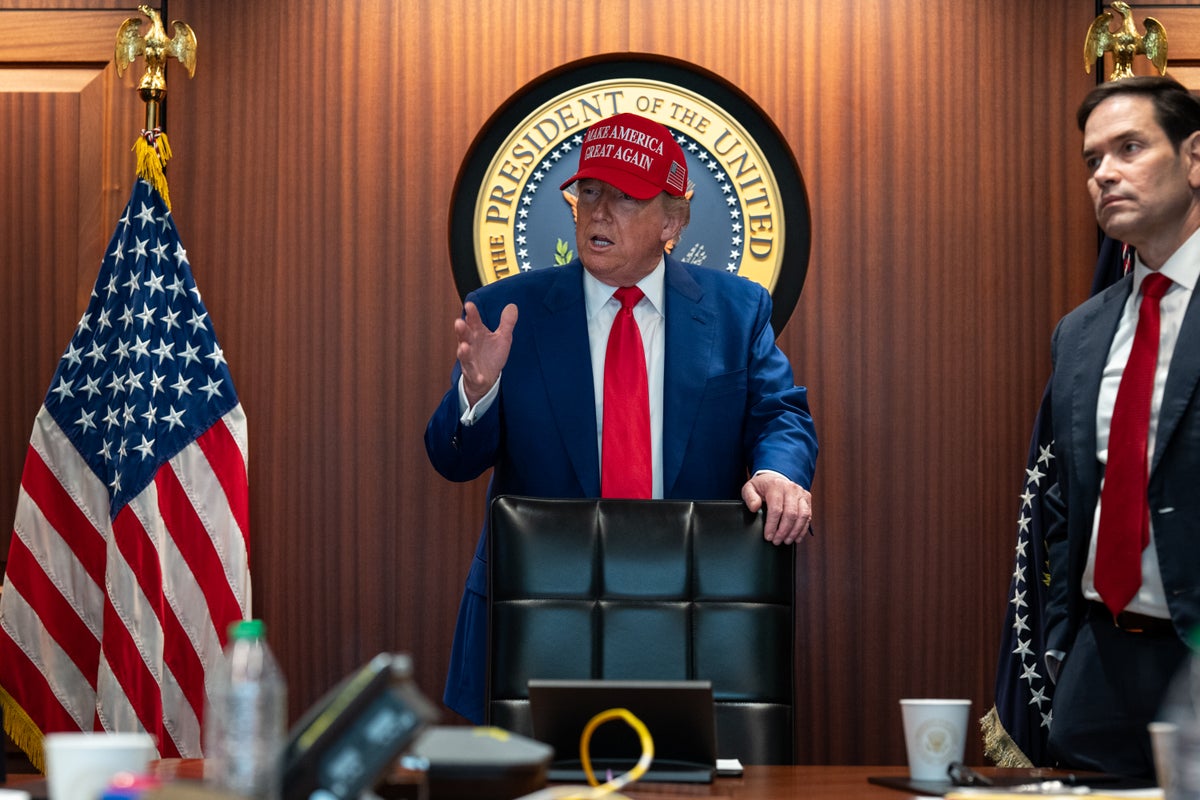
The political press is having another collective meltdown. The catalyst? Reports of an explosive new book about Donald Trump, stuffed with claims that senior aides are shivering in their boots because sensitive conversations might have been surreptitiously recorded. The mainstream narrative is already set in stone: Washington is paralyzed by fear, the administration is compromised, and a single audio file could topple the entire apparatus.
It is a gripping story. It is also completely wrong.
This frantic hand-wringing exposes a profound ignorance of how modern political power actually operates. The media treats the threat of "secret tapes" as a catastrophic security breach. In reality, in the modern political arena, leaked recordings are not a threat to the establishment—they are the fuel that runs it. The perceived panic within the White House isn't a sign of weakness; it is a calculated, highly effective tool for media manipulation and brand enforcement.
Stop buying into the manufactured hysteria. The panic is the point.
The Myth of the Devastating Audio Leak
We have seen this movie before. Every few years, a disgruntled former staffer or an intrepid journalist hints at the existence of a treasure trove of audio that will supposedly change everything. The public is told that these recordings contain raw, unvarnished truths that will shatter reputations.
Yet, history shows us that the impact of these "bombshell" audio drops is almost always net-zero.
Consider the historical precedent. During the 2016 campaign, the Access Hollywood tape was universally declared the death knell of Trump’s political aspirations. Pundits across the spectrum agreed it was an unprecedented disaster. The actual result? It dominated the news cycle for a week, hardened the resolve of his base, and ultimately failed to alter the outcome of the election. Later, we had Omarosa Manigault Newman releasing secretly recorded tapes from inside the Situation Room itself—a literal breach of national security protocols. The political establishment predicted a collapse. Instead, it was forgotten in a month.
The lazy consensus among political commentators assumes that exposure equals destruction. They believe that if the public hears the chaotic, transactional reality of high-level politics, the system will break.
They are wrong because they misunderstand what the public actually wants. In a deeply polarized environment, supporters do not abandon a leader because a tape reveals them acting aggressively, talking dirt, or plotting political revenge. They expect it. The opposition already believes the worst, so their outrage cannot be leveraged any further. The audio doesn't change minds; it merely validates pre-existing biases.
The Hidden Value of the "Panicked" White House Narrative
If secret tapes rarely move the needle on public opinion, why does the media—and often the White House itself—lean so heavily into the narrative of panic?
Because anxiety sells, and perceived vulnerability is a brilliant distraction.
When anonymous sources tell reporters that staffers are "alarmed" or "scared of what's on the tapes," it accomplishes three things for the administration in question:
- It Centers the Narrative on Persona, Not Policy: While the press spends weeks speculating about who said what in a private room, actual policy decisions, legislative maneuvers, and regulatory changes happen in the background with zero scrutiny.
- It Lowers the Bar: By hyping up the terrifying nature of the unreleased audio, the media builds an impossible expectation. When the tape finally drops and it’s just standard political horse-trading or crude language, the public reaction is a collective shrug. The administration wins by comparison.
- It Fuels the Anti-Establishment Brand: For a populist figure like Trump, the idea that a shadowy network of staffers and deep-state actors are secretly taping him only reinforces his core message to his voters: They are trying to stop me by any means necessary.
I have spent years analyzing media strategies and corporate crisis management. I have watched organizations blow millions of dollars trying to suppress information that nobody actually cared about, while ignoring the real systemic vulnerabilities right under their noses. The White House is no different. The true danger to any administration isn't a hidden microphone; it is incompetence, inflation, and bad policy. But you can't write a sensationalist book chapter about a boring policy failure.
Dismantling the "People Also Ask" Illusions
To truly understand how flawed the mainstream perspective is, we have to look at the questions people ask when these stories break. The premises of these questions are fundamentally broken.
"Don't secret recordings prove a lack of loyalty in the administration?"
This question assumes that modern political administrations are built on corporate loyalty or ideological alignment. They aren't. They are temporary coalitions of mercenary interests. Aides, consultants, and lawyers are constantly managing their own personal brands and preparing for their next multi-million dollar book deal or cable news contract. Recording a conversation isn't a shocking betrayal; it is an insurance policy and a retirement plan. Everyone in Washington knows this. The idea that a White House is a sanctuary of mutual trust is a fairytale for voters.
"How can a government function if people are afraid to speak freely?"
This is the classic institutionalist lament. "If people think they are being taped, executive privilege is destroyed!"
Good. The assumption that government functions best when officials can make decisions entirely in the dark, free from future accountability, is highly debatable. Furthermore, the fear of being recorded doesn't stop people from talking; it just changes how they talk. It forces politicians to speak in coded language or to conduct business through untraceable channels. The work still gets done. The wheel still turns.
The Strategic Reality of the D.C. Audio Economy
Let's look at the mechanics of how these books are produced and marketed. The publication of a political exposé is a highly coordinated financial event.
| Stage | Action | Objective |
|---|---|---|
| 1. The Whisper Campaign | Sources leak to the press that "sensitive tapes" exist and that the White House is terrified. | Build massive pre-order sales and media anticipation. |
| 2. The Controlled Drop | Specific, salacious but ultimately non-damaging audio clips are released to cable news networks. | Dominating the 24-hour news cycle without triggering actual legal jeopardy. |
| 3. The Shrug | The book is released, the full context is revealed, and the political impact is negligible. | The author collects a massive check, the media gets their clicks, and the White House moves on. |
This is not a constitutional crisis. It is a business model.
The competitor's article wants you to believe that the White House is a fragile house of cards waiting to be blown over by a single audio recording. They want you to feel a sense of urgent alarm. They want your clicks because fear drives traffic.
But the reality is far colder, and far more cynical.
The people inside the White House are not trembling. The lawyers are drafting standard non-disclosure enforcements, the communications team is pivoting the outrage to fundraising emails, and the principals are preparing their counter-punches. In the modern political arena, an attack that doesn't kill you makes you a martyr. And in American politics, martyrdom is the ultimate currency.
Stop waiting for the magic tape that changes everything. It doesn't exist. The audio is playing, the cameras are rolling, and the establishment is laughing all the way to the bank.