The World Health Organization just sounded the alarm. The Ebola outbreak in the Democratic Republic of Congo and Uganda is officially a Public Health Emergency of International Concern. If that phrase sounds familiar, it should. It is the highest alert level the WHO can trigger.
Most news outlets are running the same old terrifying headlines. They want you to panic about a global pandemic. They slice and dice transmission statistics, display scary maps, and interview talking heads who predict doom. But they are missing the point entirely.
This declaration is not a prophecy of a global apocalypse. It is a damning indictment of how the international community handles predictable health crises. The health systems in eastern Congo and western Uganda did not fail overnight. We failed them by treating systemic poverty and regional conflict as background noise instead of the primary drivers of disease transmission they actually are.
Why the Ebola outbreak in Congo and Uganda hit the red line
The current spike in cases crosses borders. That is what pushed the WHO to act. Ebola does not care about national boundaries, especially not the heavily porous border between the North Kivu province in the DRC and neighboring Ugandan districts.
People cross this border every single day. Traders carry goods to market. Families visit relatives. Refugees flee violence from armed rebel groups like the M23. When you have an active outbreak in a zone with massive, unchecked human displacement, a regional crisis is inevitable.
The numbers coming out of the ministry of health reports tell a grim story, but the reality on the ground is worse. In many parts of eastern Congo, health workers cannot even reach communities because of active gunfire. You cannot do effective contact tracing when you risk getting shot by a militia just for walking into a village.
This environment turns a manageable medical issue into an emergency. The virus is lethal, yes, but the chaos is what makes it spread.
The lethal mistake of relying only on vaccines
We have incredible tools now that did not exist during the catastrophic West Africa outbreak a decade ago. The Ervebo vaccine is highly effective. Regeneron and other pharmaceutical companies have developed monoclonal antibody treatments that drastically reduce mortality rates if administered early.
But a vaccine is completely useless if it sits in a sub-zero freezer in Kinshasa because the road to the outbreak zone is controlled by rebels.
International aid groups love to throw money at high-tech solutions. It looks good on a corporate social responsibility report. Shipping thousands of vaccine doses feels like a victory. But local clinics in rural Uganda and Congo lack the basic infrastructure to use them effectively.
- They lack reliable electricity to keep vaccines cold.
- They lack clean, running water in triage areas.
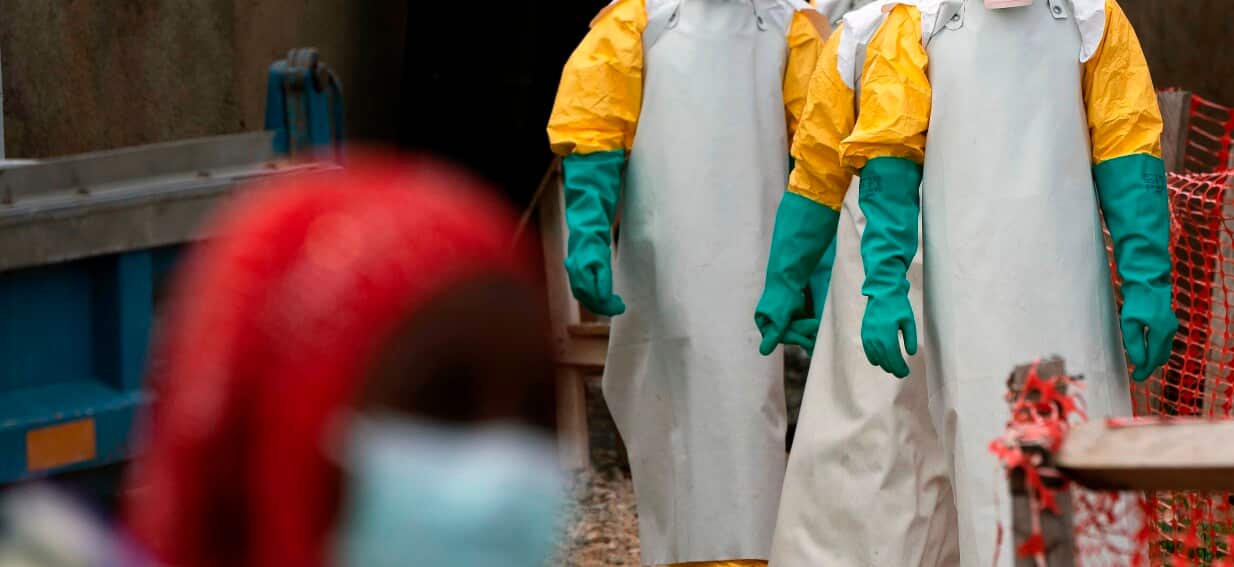
- They lack enough personal protective equipment for local nurses.
- They lack fuel for ambulances to transport blood samples.
Fixing these unglamorous problems is how you stop Ebola. Instead, the global response strategy usually involves waiting for an emergency declaration, flying in foreign experts, setting up temporary tents, and leaving as soon as the headline fades. It is a cycle of panic and neglect. We need to break it.
What the media gets wrong about public health emergencies
When the WHO declares an emergency, people assume the virus has suddenly mutated or become vastly more contagious. That is almost never the case. The declaration is a bureaucratic lever. It is designed to unlock emergency funding, streamline international coordination, and force rich nations to pay attention.
The threat to someone living in New York, London, or Tokyo right now is practically zero. Ebola requires direct contact with bodily fluids of a symptomatic person. It does not drift through the air conditioning vents of a commercial airliner like a respiratory virus.
The real danger is the collapse of local healthcare in Central Africa. When a hospital is overwhelmed by Ebola, everything else stops. Mothers die in childbirth. Children die from treatable malaria. Routine immunizations for measles drop to zero. The secondary death toll of an Ebola outbreak often dwarfs the casualties caused by the virus itself.
How to actually stop the spread
Stopping this outbreak requires shifting resources away from top-down international management and toward local leadership. Local doctors, nurses, and community elders are the ones who actually build trust.
During previous outbreaks, foreign medical teams arrived in white hazmat suits, took away sick relatives, and buried bodies in plastic bags without letting families say goodbye. This caused massive resistance. People hid their sick. They attacked health centers.
When local health workers are trusted, funded, and protected, everything changes. They know how to talk to their communities. They can explain the need for safe burials in a way that respects local customs without spreading the virus.
The immediate next step for the global community is simple. Fund the local regional response plans directly. Stop routing every dollar through massive international NGOs that spend half their budget on administrative overhead in Europe or the US. Supply the border screening posts with reliable thermal scanners and clean water. Pay the local Congolese and Ugandan nurses who are risking their lives on the front lines, many of whom have gone months without a steady paycheck. That is how you end an emergency.