The dust on a pair of well-worn boots tells a story that no press release ever quite captures. I remember sitting by a dry riverbed in southern Africa years ago, watching the sun bake the earth into cracked porcelain, listening to conservationists talk about the thin, fragile thread holding an entire ecosystem together. It is an exhausting kind of work. It smells of sunblock, diesel, and sweat. It requires patience that borders on stubbornness. And when a prominent figure steps away from the board of a major wildlife charity, the headlines usually flash, burn out, and vanish.
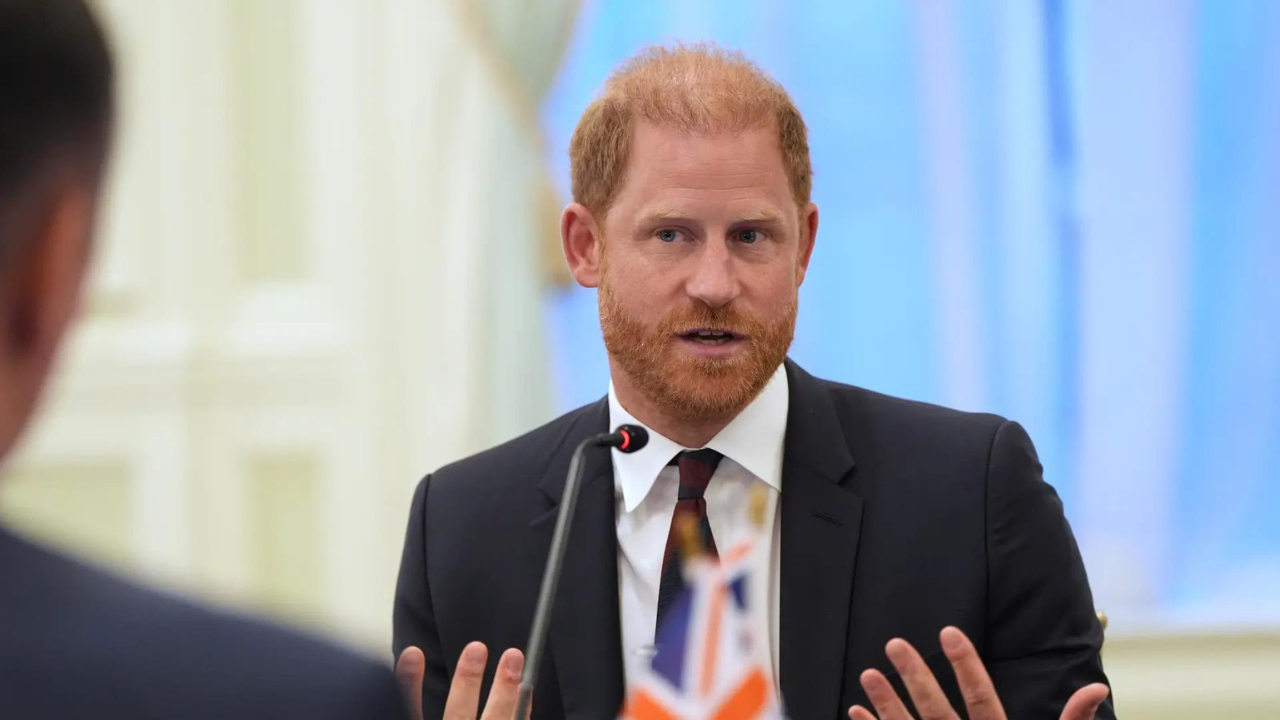
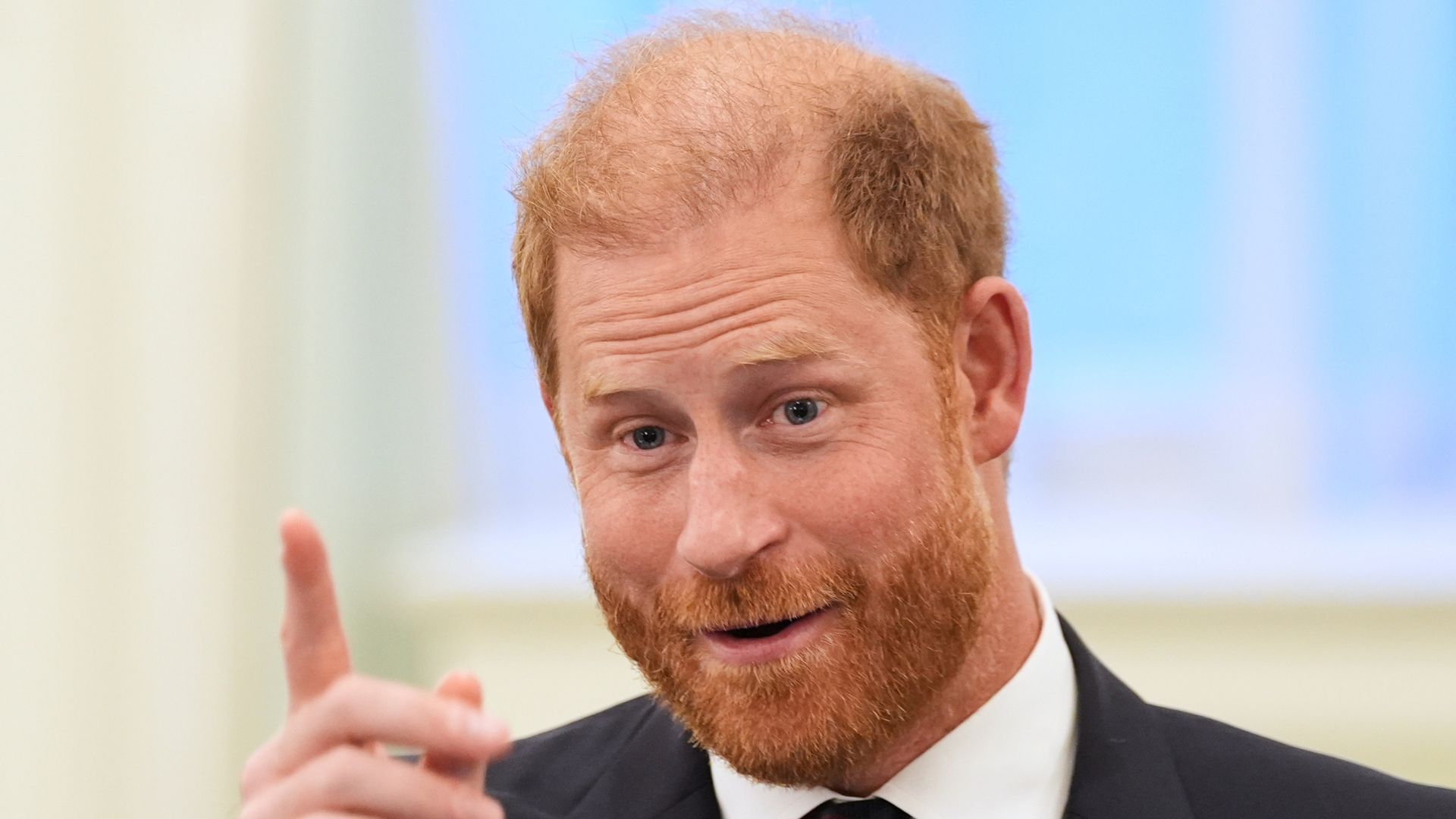
Prince Harry stepping down from African Parks sounds like a neat entry in a royal chronicle. A tidy paragraph in a Sunday paper.
Quiet. Official. Done.
Except that is not how conservation works.
To understand why this departure matters, you have to look past the palace stationery and stare directly at the red dirt. Conservation is not a plaque on a wall or a ribbon-cutting ceremony. It is an administrative grind masked as an adventure. It is signing off on anti-poaching patrol budgets while dodging bureaucratic landmines. It is balancing the immediate survival of local communities against the long-term survival of endangered species. When someone sits on a board like that, they are not just lending a famous name to an annual gala. They are standing in the crossfire of a deeply complicated, often brutal modern crisis.
Consider what happens next when a high-profile advocate removes their armor.
The spotlight dims. Cameras pivot elsewhere. The funding pipelines, notoriously fickle and easily spooked by controversy, quiver. Organizations dedicated to protecting the natural world rely on gravity. Wealthy donors follow cultural momentum. Public interest follows the face on the magazine cover. When that face turns away, the vacuum left behind is not empty. It is heavy. It presses down on the rangers on the ground who wake up before dawn to track elephant poachers in the mist.
Let us be honest about the mechanics of modern philanthropy. It is messy. We live in an era where public scrutiny is a permanent shadow, where every association is weighed on a digital scale and judged by an impatient audience. It becomes nearly impossible to do quiet, dirty, complicated work when every movement is dissected by commentators who have never spent a night listening to hyenas laughing in the dark.
I felt that same frustration years ago when trying to secure emergency funding for a community-led anti-poaching unit. The boardroom meetings were pristine. The carpets were thick. The people holding the checkbooks wanted simple narratives. They wanted good guys and bad guys. They wanted a tidy story where humans and nature existed in separate boxes.
Nature does not care about tidy stories.
When Prince Harry associated himself with African Parks—serving for years, eventually becoming president—he stepped into a arena where the stakes are life and death. The organization manages millions of acres across the continent, taking direct responsibility for protected areas that governments simply lack the resources to safeguard. It is a bold, radical model. It is also deeply vulnerable. Managing land means managing people. It means navigating historical grievances, land rights, local economies, and the bitter legacy of colonial conservation models that pushed indigenous populations off their ancestral grounds.
When things go wrong in these remote corners of the world, the accountability reaches all the way to the top. Allegations and controversies surrounding park rangers in specific regions recently brought intense external pressure onto the leadership.
Pressure.
It is a strange word. In a boardroom, pressure is a tense phone call or a critical headline. On the ground, pressure is a bullet fired in the dark or a community starving because a drought killed their livestock. When public figures face unrelenting scrutiny, the calculus changes. Does a famous patron help the cause, or does the constant lightning storm of personal controversy eventually become the story itself? Does the lightning strike the tree, or does it burn down the entire forest?
Stepping down is often framed as a failure. A retreat. A scandal wrapped in diplomatic language.
Sometimes, it is simply recognition of reality.
I watched a veteran conservationist hand in his resignation letter once. His hands were shaking, not from fear, but from a profound, bone-deep weariness. He looked at us across a wooden table scarred by coffee cups and maps and said something I have never forgotten.
"The animals don't read the papers," he whispered. "The poachers don't care who is on our letterhead. If my presence becomes the storm that keeps the shelter from being built, then I am no longer protecting the house. I am just standing in the rain."
That is the invisible cost of fame meeting the wild.
Prince Harry’s departure from African Parks leaves a massive void, but it also forces a reckoning. Can a conservation organization survive and thrive on its own merits without relying on the glittering scaffolding of royalty? Should it have to? These questions are uncomfortable. They expose our collective addiction to celebrity endorsement. We treat environmental stewardship like an awards show, waiting for famous actors and princes to validate our concern for the planet.
If we only care about the rhinoceros because a prince took a photograph with it, we never really cared about the rhinoceros at all.
The savannah does not look up to see who is sitting on a board in London or Los Angeles. The acacia trees stretch upward because they need the sun. The lions hunt because they need to eat. The dust rises under the heavy boots of rangers who will be out there tomorrow morning, long after the news cycle has moved on to the next shiny distraction, doing the quiet, unglamorous work of keeping the wild from vanishing completely.
The office is empty now. The paperwork is filed. Out in the bush, the sun is beginning to set, painting the horizon in bruised shades of violet and gold, indifferent to the noise of the world.