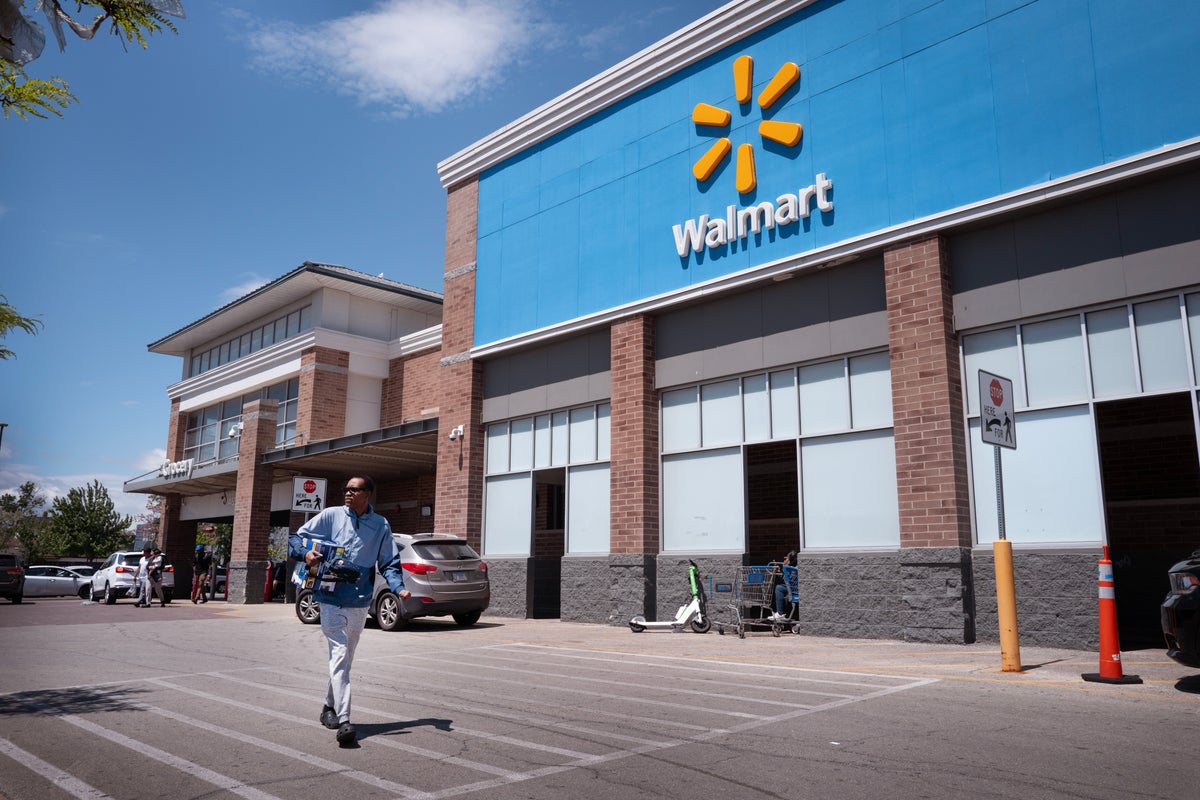
The political theater surrounding corporate pricing has officially descended into farce. Retail giant Walmart made headlines with the revelation that its upcoming price cuts were planned long before any executive branch announcements. Cue the immediate media circus. Outlets rushed to frame this as a devastating blow to the administration, a classic gotcha moment proving Washington is entirely out of touch with the mechanics of supply chains.
They are missing the entire point.
The media loves a good Washington-versus-Wall-Street cage match. But viewing this through the lens of a political meltdown accepts a completely flawed premise. The real story isn't about who gets to take credit for cheaper groceries. The real story is that massive retailers and federal administrations are trapped in a codependent loop of public relations theater, while the underlying macroeconomic reality remains completely unchanged.
The Myth of the Reactive Retailer
Corporate media wants you to believe that retail pricing operates like a fast-casual menu board, fluctuating on a whim based on the morning news cycle. This is a fundamental misunderstanding of enterprise logistics.
I have spent years analyzing corporate supply chains and margin structures. Global retail operations do not pivot their pricing strategies on a Tuesday morning because a politician gave a speech on a Monday night. Decisions of this scale—affecting tens of thousands of SKUs across thousands of physical locations—require months of lead time. They involve intense negotiations with consumer packaged goods conglomerates, complex freight restructuring, and strict margin-clearing calculations.
Walmart planned these cuts because their internal data showed a breaking point in consumer discretionary spending. When the bottom quintile of consumers stops buying house-brand essentials, a price correction is mandatory for survival.
The political establishment did not force Walmart’s hand. Walmart’s own balance sheet did.
To believe that a public scolding from the White House magically squeezed fat out of a retail margin is to believe in economic fairy tales. The administrative state loves to claim credit for the natural down-cycles of inflation, while corporations love to play the role of the benevolent provider. Both narratives are completely manufactured.
Dissecting the Margin Illusion
Let us look at the actual math that drives these decisions, rather than the political rhetoric.
| Factor | The Public Narrative | The Operational Reality |
|---|---|---|
| Pricing Triggers | Political pressure and public shaming force corporations to lower prices. | Deflationary pressures, inventory gluts, and declining consumer volume demand adjustments. |
| Lead Times | Immediate, reactionary drops to show compliance or corporate goodwill. | Three to six months of vendor renegotiations and logistics planning. |
| Margin Impact | Corporations take a massive hit to their bottom line out of necessity. | Price drops are offset by squeezing suppliers or reducing operational overhead elsewhere. |
When a giant like Walmart lowers prices on high-velocity items like milk, bread, or eggs, it is rarely a sacrifice. It is a calculated loss-leader strategy. The goal is simple: get the consumer through the door. Once inside, the margin is clawed back on high-margin apparel, electronics, or home goods.
The idea that the executive branch "melted down" because they were caught taking credit for pre-planned cuts assumes that anyone involved actually cares about the truth. They don't. The administration got their headline claiming they are fighting for the working class. Walmart got their headline establishing themselves as the ultimate defender of the consumer's wallet.
It is a symbiotic PR ecosystem where everyone wins except the observer who expects honest economic analysis.
The Flawed Premise of People Also Ask
If you look at what people are actually searching regarding this event, the questions themselves betray a deep misunderstanding of how the economy functions.
Consider the common question: Can the government force grocery stores to lower prices?
The brutal, historic answer is: only through price controls, which have a flawless, centuries-long track record of creating empty shelves, black markets, and catastrophic supply shortages. Imagine a scenario where the federal government places a hard cap on the price of beef. If the cost of grain, fuel, and processing exceeds that cap, ranchers stop producing beef. The price becomes zero because the item no longer exists on the shelf.
Another frequent query: Are grocery stores gouging consumers?
The data says otherwise. The net profit margins for major grocery chains historically hover between 1% and 3%. This is a volume game, not a high-margin luxury play. When input costs rise—fertilizer, diesel, wages, compliance—retail prices must rise, or the business ceases to exist. To label a 2% margin as "gouging" is economically illiterate.
The Hidden Cost of the Theater
There is a distinct downside to this constant finger-pointing and narrative spinning. It distracts from the real culprit behind the eroded purchasing power of the average family: monetary policy.
While Washington and retail executives trade barbs over a few cents on a box of cereal, billions of dollars are continuously injected into the financial system, debasing the currency you hold in your pocket. It is far easier for a politician to blame a corporate logo for high prices than it is to explain the long-term consequences of fiscal deficit spending.
The corporate insiders know this. The policy makers know this.
The next time you see a headline screaming about a political meltdown over corporate pricing, ignore the noise. Look at the volume indices. Look at the freight transport metrics. Look at the cost of capital. That is where the truth lives. Everything else is just a script written for a public that prefers a simple villain over a complex system.
Stop looking for a savior in a press briefing or a corporate boardroom. They are both selling the exact same product: an illusion of control.