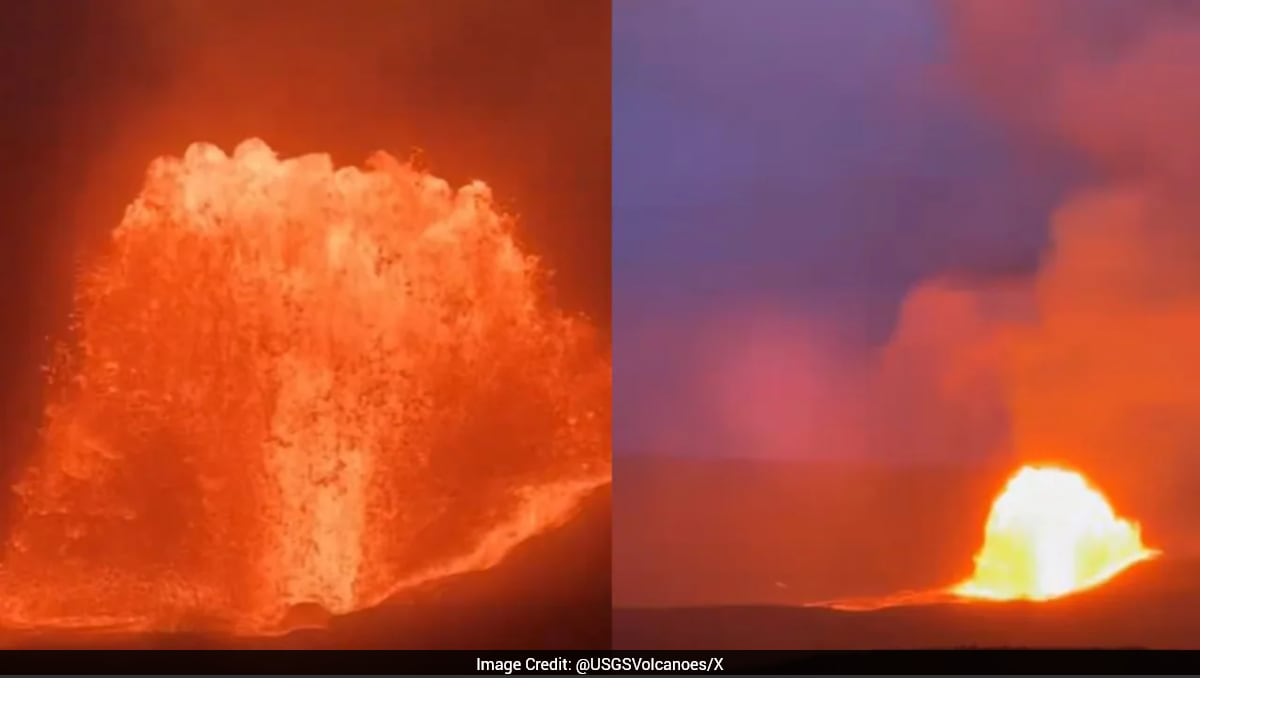
The media treats volcanic activity like a sudden, unprovoked assault on the planet. Clickbait headlines scream about "spewing lava" and "pausing eruptions" as if Earth is a broken plumbing fixture. It sells ads. It gets clicks.
It is also fundamentally wrong.
When a volcano like Kilauea or Mauna Loa in Hawaii goes through an eruptive cycle, the press rushes to frame it as a chaotic, unpredictable crisis. They want you terrified, glued to the screen, watching a live stream of molten rock. They paint a picture of imminent doom, followed by a sigh of relief when the eruption "pauses."
This narrative is a disservice to geology and a trap for travelers. An eruption pause is not a sign of safety. It is often the most dangerous phase of a volcanic cycle.
The Myth of the Volcanic Pause
Mainstream news outlets covered recent US volcanic activity with the same lazy script: hours of spectacular lava, followed by a dramatic "pause" that implies the danger has passed.
This reveals a profound ignorance of magmatic systems.
Volcanoes do not operate on a binary on-off switch. When a surface eruption stops, the underlying plumbing system does not simply take a break. Magma pressure is still building. Gases are still accumulating. In many cases, a sudden pause in visible lava flow means the main vent has become blocked.
When a pressure cooker stops whistling but stays on the stove, you do not assume it is safe to open. You recognize that the pressure is compounding.
Geologists at the US Geological Survey (USGS) and the Hawaiian Volcano Observatory do not breathe a sigh of relief when the lava stops flowing. They look for inflation—the literal swelling of the volcano's flanks measured by tiltmeters and GPS. If the mountain is still swelling while the lava has stopped, the hazard level has actually skyrocketed. The system is looking for a new, weaker path to the surface. That means a new fissure can open miles away from the original site, entirely without warning.
The Tourism Industrial Complex Wants You Blind
I have spent years tracking how travel media and local tourism boards manipulate natural event data. They are caught in a delicate dance: they need the spectacular imagery of lava to drive bookings, but they must sanitize the danger to keep liability low.
The result is a highly curated, deeply dishonest version of nature.
They tell you it is a "once-in-a-lifetime spectator event." They do not tell you about the volcanic smog (vog), a toxic cocktail of sulfur dioxide and particulate matter that can shred sensitive lung tissue miles downwind. They show you wide-angle shots of slow-moving basaltic flows, implying you can easily step out of the way. They conveniently omit the reality of hydrovolcanic explosions—what happens when that lava hits groundwater or ocean waves, creating a localized blast wave of shattered glass and boiling steam.
What the Tourism Guides Won't Tell You
- Pele's Hair is a Airborne Weapon: This isn't poetic fluff. It is volcanic glass spun into thin, needle-like strands by the wind. It drifts for miles. If you breathe it in, it causes severe internal lacerations. If it gets in your eyes, you risk permanent damage.
- The Ground is a Hollow Crust: Walking near recently "paused" lava flows is an exercise in stupidity. Basalt cools from the outside in. You might be standing on what looks like solid, dark rock, unaware that a foot beneath your boots is a hollow tube where molten rock just drained out, leaving a structural shell ready to collapse under your weight.
- Methane Pockets Explode: As lava advances over vegetation, it buries organic matter. This matter rots instantly under intense heat, generating underground pockets of methane gas. These pockets ignite and explode violently, throwing massive chunks of rock hundreds of feet into the air, far outside the designated "hazard zone."
Dismantling the "People Also Ask" Lies
If you search for volcanic safety online, the top results are packed with dangerously soft advice designed to keep hotel rooms filled. Let us dismantle the most common premises.
"Is it safe to visit a volcano during a pause?"
The premise assumes a pause equals stability. It does not. A pause is merely a transition phase. If the magmatic reservoir is still receiving input from the mantle, a pause is simply the quiet before a more violent breakout. Visiting a volcanic zone during a pause means you are entering an environment where the path of least resistance for the next eruption has not yet been established. You are volunteering to be the guinea pig.
"How close can you safely get to active lava?"
The honest answer is: nowhere near as close as your tour guide claims. The radiant heat alone from a $1200^\circ\text{C}$ basaltic flow can cause second-degree burns through clothing without you ever touching a single drop. If you can see the orange glow clearly with the naked eye during the day, you are already well within the zone of unpredictable ballistic ejecta.
The Cost of the Spectacle
My contrarian stance has a downside for your vacation plans: it makes them boring and expensive. If you actually prioritize survival over Instagram engagement, you will spend your trip sitting in a hotel room miles away, monitoring real-time seismic data and gas emission charts instead of booking a helicopter tour.
Helicopter tours during active or recently paused eruptions are a massive gamble. Volcanic plumes contain highly abrasive ash particles that can flame out a jet turbine engine in seconds. The aviation industry knows this—it is why transatlantic flights detour around Iceland whenever a crack opens up in the mud. Yet, local tour operators routinely skirt the edges of active plumes to give tourists the thrill they paid for.
Stop treating the earth like a theme park attraction.
When the media tells you an eruption has paused, do not book a flight thinking you missed out or that the area is suddenly safe for exploration. Pack your bags and move in the opposite direction. The mountain is just catching its breath before the next punch.