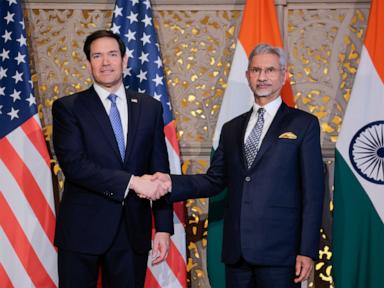
Two diplomats sit down in Mumbai. Headlines bloom. Analysts start polishing victory speeches before the ink even touches the paper.
Stop celebrating. A handshake between Marco Rubio and S. Jaishankar does not erase decades of structural friction between Washington and New Delhi. Most coverage treats bilateral trade negotiations like a simple math problem: cut tariffs, sign a pact, watch volume explode. That lazy consensus misses how trade actually works in the real world.
Trade agreements do not create commercial reality. They ratify it—usually years after companies have already adapted, bled cash, or retreated. When US and Indian officials chase a headline trade deal, they are fighting yesterday's war while operators on the ground are dealing with customs bottlenecks, shifting rules of origin, protectionist instincts, and supply chain friction that no diplomatic communique solves overnight.
The Myth of the Instant Trade Boom
Every time senior leaders from the United States and India meet, the same script plays out. Commentators point to demographic scale, geopolitical alignment, and supply chain diversification away from China. Then they assume a trade deal acts like a light switch.
Flip it on. Instant growth.
It never works that way. Tariffs are only one layer of cost in cross-border commerce. Non-tariff barriers—regulatory delays, standards mismatches, licensing friction, port congestion, and sudden policy shifts—often hurt margins far more than headline duty rates. A diplomat can lower a tariff line in a negotiation room on Tuesday. A customs inspector at a port can still hold a container for three weeks on Thursday because a certificate reads slightly off.
I have watched companies blow millions on cross-border expansion because their leadership mistook diplomatic warmth for operational ease. Executives fly into a summit, hear upbeat remarks about bilateral partnership, and greenlight aggressive capital commitments before testing how goods actually clear borders, how local suppliers perform under stress, or how domestic political pressure reshapes enforcement.
Trade policy is never just economics. In both Washington and New Delhi, trade touches domestic voters, protected industries, agricultural sensitivities, strategic autonomy, and election cycles. Negotiators do not walk into a room with a blank sheet of paper. They walk in carrying political landmines. Even when both sides genuinely want a deal, each side has constituencies screaming for protection the moment a foreign competitor gains ground.
Where Conventional Coverage Gets It Backward
Standard reporting asks: Will they finalize the deal, and how big will the numbers get?
That is the wrong question. The real question is: Which specific friction points actually disappear if they sign, and which ones stay locked in place?
A broad framework or partial agreement can look historic in a press release while leaving core commercial headaches untouched. Sector carve-outs, phased implementation timelines, compliance rules, and domestic subsidies frequently blunt the immediate impact that market optimists expect.
Consider a common assumption in supply chain commentary: if tariff rates drop between two major economies, manufacturers automatically shift factories and orders within months.
Imagine a scenario where a mid-sized industrial manufacturer lowers its landed duty cost by eight percentage points after a bilateral tariff reduction, yet still misses quarterly delivery targets because local component lead times stretch out, port clearance drags on, and inland transport costs eat half the savings. The spreadsheet looked great during the summit. The plant floor told a harsher story.
That gap between policy intent and shop-floor execution is where serious operators separate themselves from headline chasers.
What Everyone Gets Wrong About US-India Trade
Let's strip away the polite diplomatic phrasing and look at the real mechanics.
Does a trade deal mean smooth, predictable market access?
No. Market access in practice depends on enforcement, rules of origin, technical standards, and administrative predictability—not just headline tariff concessions. Two countries can agree on broad trade goals while still clasping tightly to defensive measures in sensitive sectors.
In economic theory—stretching back to classic trade thinkers like David Ricardo and modern empirical trade economists who study non-tariff barriers and firm-level trade costs—lowering barriers creates gains from specialization. In practice, firm-level costs include compliance, logistics, certification, and regulatory uncertainty. Ignore those costs and your projections are fiction.
Is India a plug-and-play replacement for China in global supply chains?
Not even close. Calling any single country a simple plug-and-play substitute ignores years of supplier clustering, infrastructure scale, and manufacturing depth built in East Asia. India offers massive scale, a growing domestic market, and strong strategic relevance, yet building deep, reliable multi-tier supply ecosystems takes sustained execution across power, logistics, component manufacturing, and regulatory consistency.
Anyone treating diversification as a simple swap from one country to another is setting their balance sheet up for pain. Diversification works best when it builds resilience across multiple nodes rather than trading one single point of failure for a slower, bumpier version of the same dependency.
Should businesses wait for a signed deal before adjusting strategy?
Waiting passively for politicians to finish talking is a choice—and usually a costly one. By the time a comprehensive agreement is negotiated, ratified, and phased in, early movers have already mapped reliable vendors, tested customs workflows, and built local relationships.
At the same time, rushing in blindly just because two leaders pose for cameras is equally reckless. Smart operators build optionality early, validate assumptions with small real shipments, and keep capital disciplined until actual execution proves out.
The Honest Catch With Being Skeptical
Contrarian analysis has its own blind spot if you let cynicism harden into dogma. Doubting instant miracles is smart. Dismissing real momentum altogether can make you late.
Even incremental diplomatic progress matters over time. When senior officials from Washington and New Delhi keep meeting, narrow disputes, and push commercial agendas forward, it signals sustained engagement rather than drift. Over multi-year horizons, steady political alignment can ease friction, encourage investment, and reshape regional trade flows in meaningful ways.
The trap is swinging too far in either direction. Blind optimism burns money on false assumptions. Knee-jerk pessimism blinds you when real, gradual structural shifts start compounding.
How Sharp Operators Actually Play This
Forget cheering every diplomatic headline and forget writing off the relationship. Run a harder playbook.
- Audit true landed cost, not headline tariffs. Break down freight, insurance, duties, demurrage, testing, certification, and working-capital tied up in transit. Find out what actually moves your margin.
- Stress-test execution before scaling volume. Run pilot shipments and vet secondary suppliers under real constraints before committing major capital to a single corridor.
- Separate diplomatic noise from binding rules. Read past press statements. Look at actual schedules, enforcement mechanisms, compliance requirements, and implementation dates.
- Build multi-source resilience. Keep optionality across regions so a sudden tariff tweak, regulatory snag, or geopolitical shock does not paralyze your business.
Summits make great theater. Execution pays the bills.